Environment
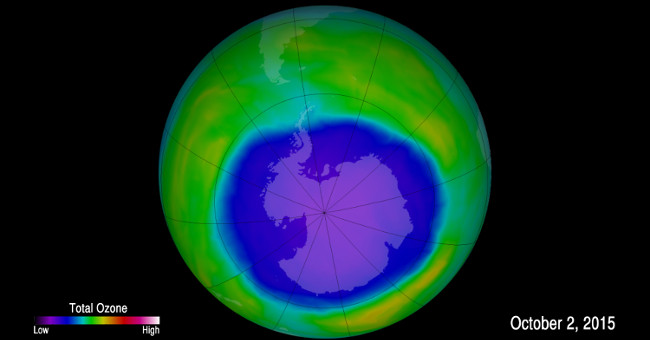
The ozone layer gap in Antarctica begins to shrink
A recent study shows that the ozone layer in the Antarctic is beginning to shrink.
Explore science in everyday life, from weather and health to wildlife, geography, human biology and unusual phenomena around the world.
9,109 published items in this category and its subcategories.
A recent study shows that the ozone layer in the Antarctic is beginning to shrink.
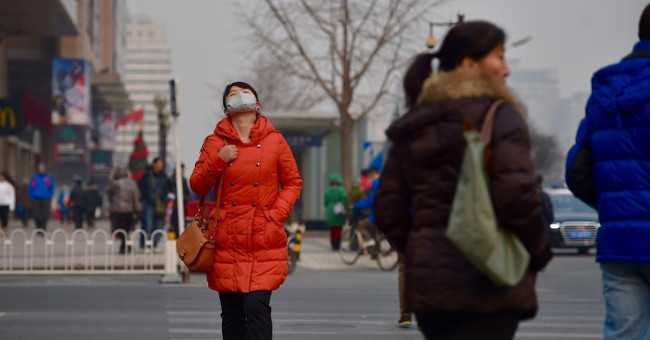
Exposure to air pollutants causes one million Chinese people to die early each year.
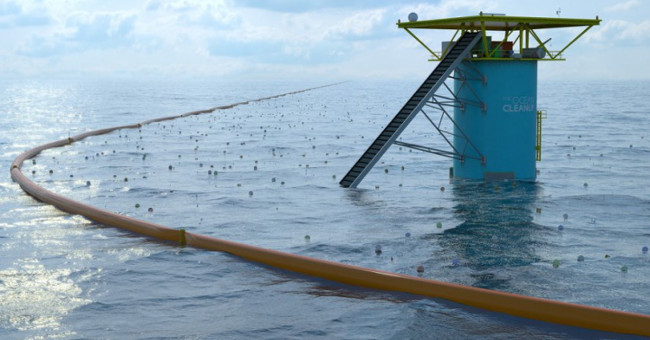
The fence is made up of V-shaped rubber floats that can collect and remove plastic waste at sea.
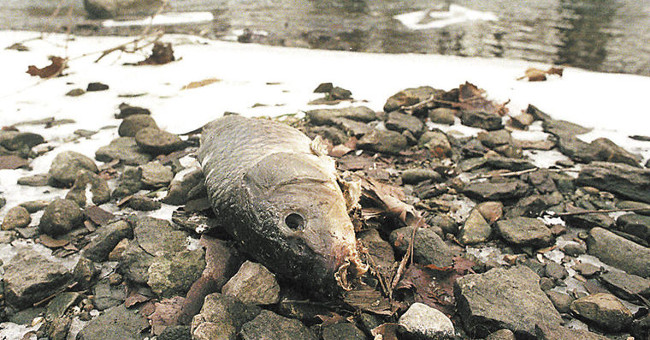
The discharge of chemicals into rivers and oceans or oil spills in the sea causes long-term consequences for humans and the habitats of many aquatic species.
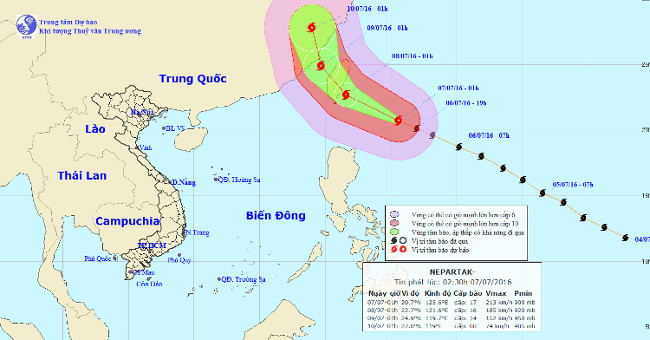
Super typhoon named Nepartak has just appeared in the waters off the northeastern island of Luzon (Philippines) but it is unlikely to affect the mainland of Vietnam.
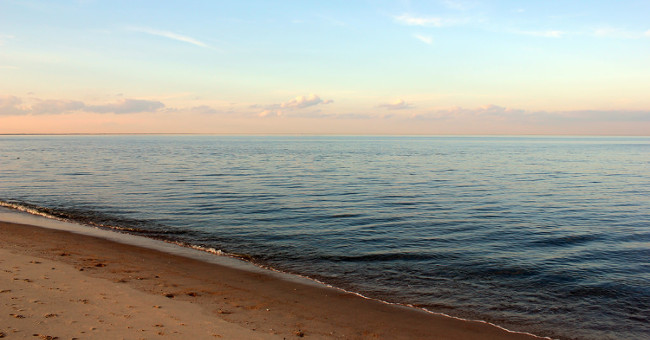
The oceans on earth contain 4 billion tons of uranium, enough to run nuclear power plants and produce electricity for all the major cities in the world for thousands of…
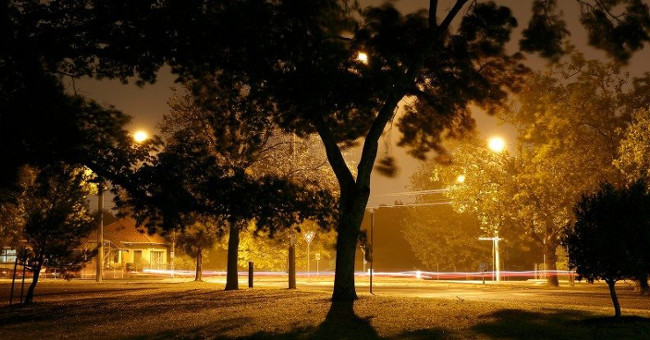
Many cities live without night due to the bright light from street lights and surrounding buildings.

Maleo birds dig holes in the ground to lay eggs so that the hot temperature from the volcano reaches the hatching eggs. Young hatched after hatching out of the ground an…
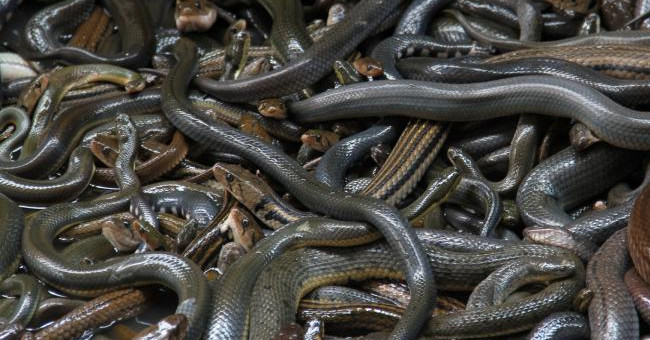
Snake Island in Brazil possesses the beauty of paradise but with nearly 400,000 of the world's most poisonous snakes is both a fear and arousing the curiosity of adventu…
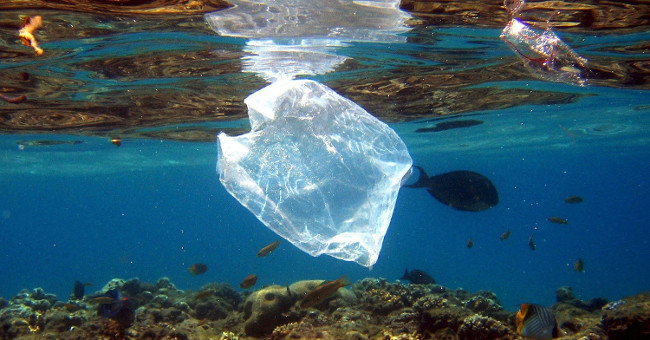
Many German businesses are working together to build a system to collect and recycle plastic waste at sea to save the increasingly polluted oceans.
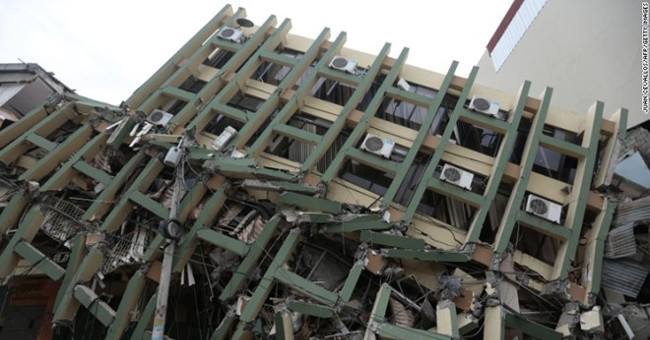
Nature Geoscience's prediction said that one of the worst earthquakes in history could happen in East Asia.
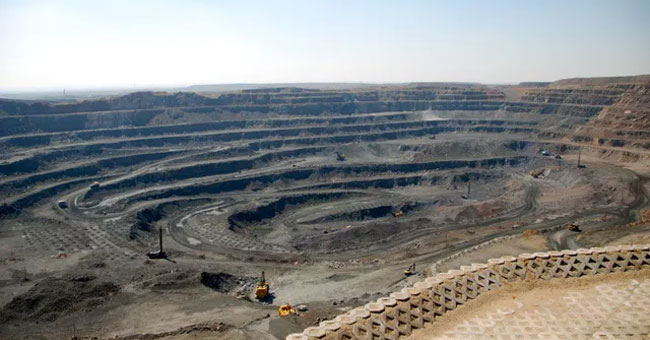
With the vast untreated waste lake and thousands of cancer people, this industry continues to exist due to the huge demand for production.

The United States is going through harsh summer days, with the heat expected to be the hottest in the year and the risk of death in the hot sun is not small.
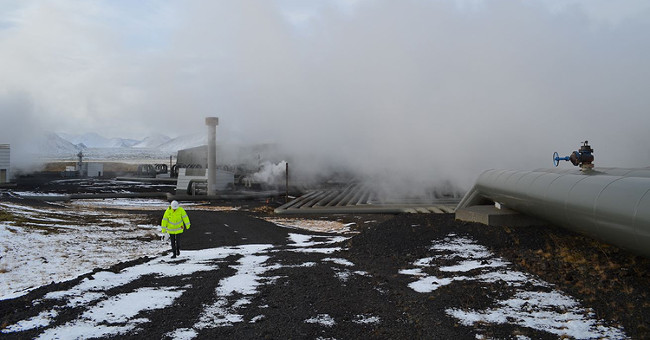
An international team of scientists has successfully pumped carbon dioxide (CO2) deep underground and turned this toxic gas into stone.
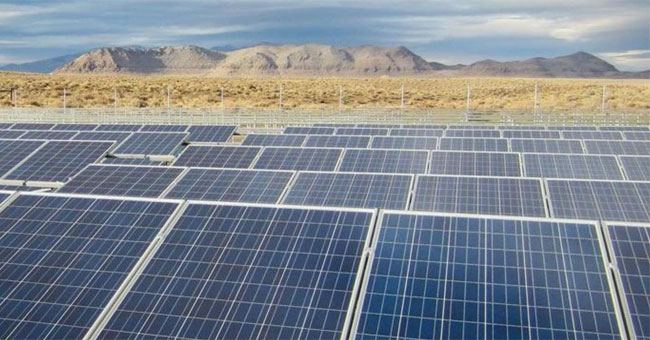
According to the energy policy network REN21, a record investment in clean energy in 2015 has made the largest annual increase in the ability to generate renewable energ…