Environment
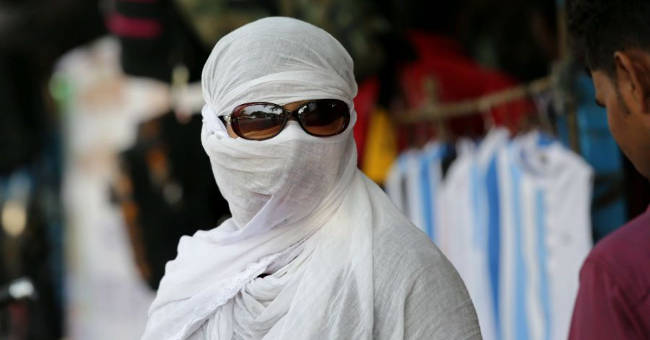
All Asia struggles to deal with the terrible heat
Millions of people in Asian countries are struggling to cope with the terrible heat all this time.
Explore science in everyday life, from weather and health to wildlife, geography, human biology and unusual phenomena around the world.
9,109 published items in this category and its subcategories.
Millions of people in Asian countries are struggling to cope with the terrible heat all this time.
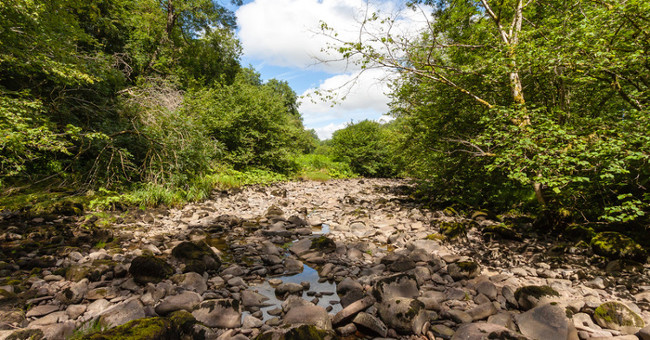
Tliapa and Tlacuapa are two other rivers that dried up after just one night in Mexico, following the disappearance of the Atoyac River in late February.
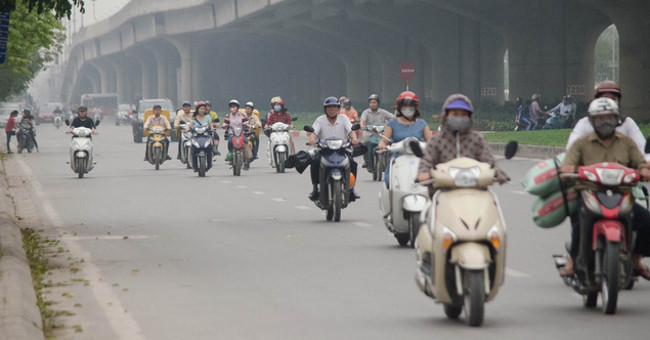
Mr. Hoang Duong Tung, Deputy Director General of the Environment Department said that the information of toxic mercury hovering in the air in Hanoi is not correct and be…
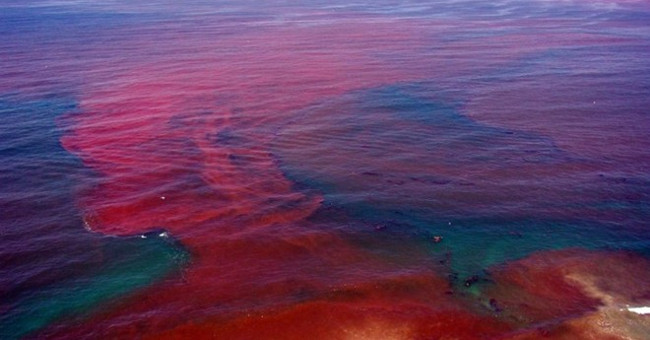
Red tide is the phenomenon of algal blooms, which causes mass deaths in many parts of the world.
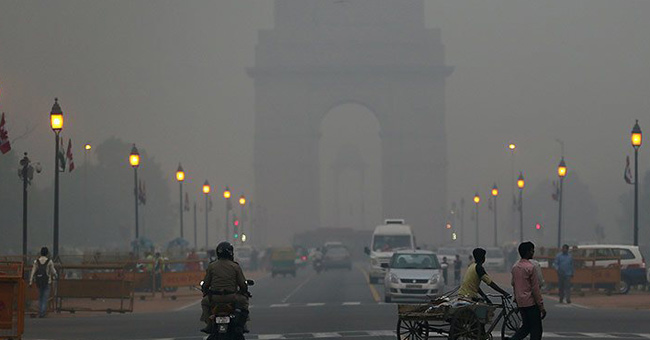
Never before has air pollution in the world been in such an alarming situation. In particular, many cities are at extremely serious pollution levels.
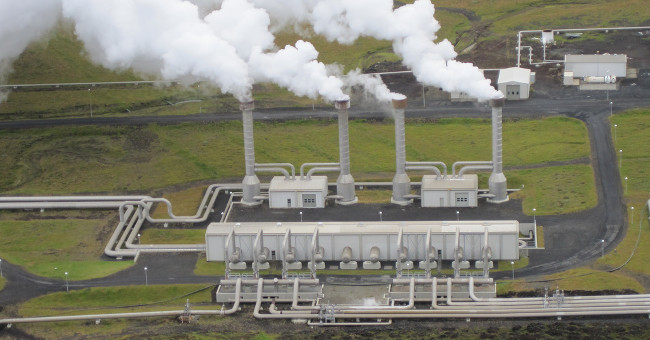
Geothermal sources provide stable energy and are less harmful to the environment than fossil or nuclear fuels.

Due to the ability to kill marine life and threaten human health of red tide, American scientists have focused on monitoring as well as early detection of toxic algae bl…
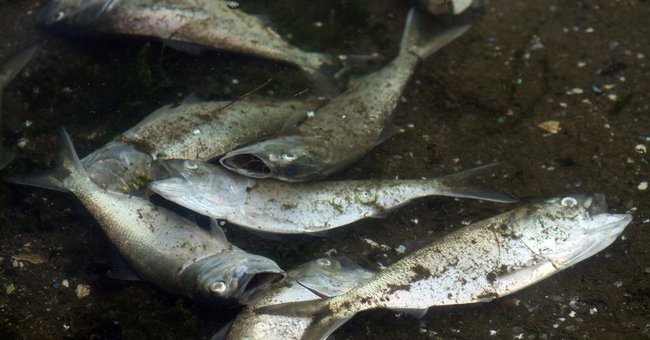
A new harm from the phenomenon of climate change has been discovered. And this time it is related to the mass death of fish.
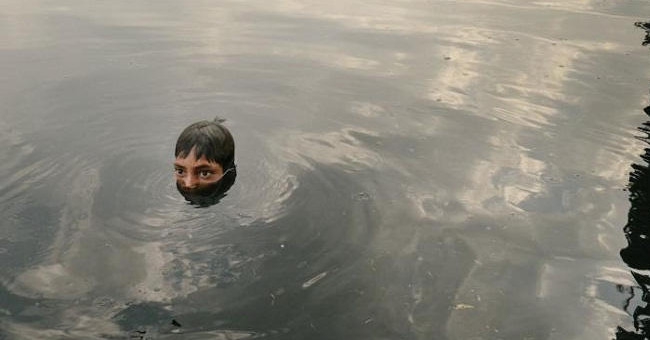
From the sky to the ground, anywhere in Delhi (India) is also suffocating by the atmosphere of pollution and rubbish everywhere.
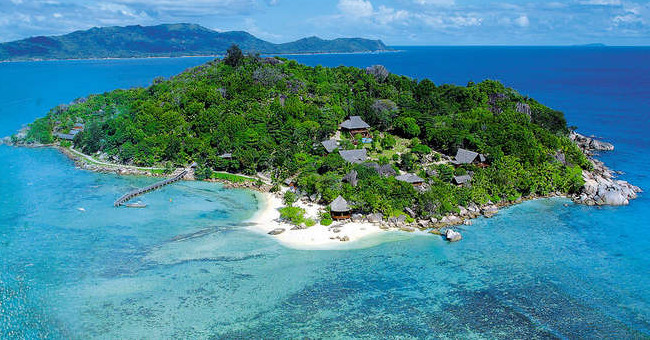
American scientists ranked Seychelles as the world's most clean air country in 2016 based on the Environmental Management Competency Index (EPI).

The vast majority of us are unaware of how much 7 billion people are and how it will affect the environment. Let's admire the shocking images of the environment and the…
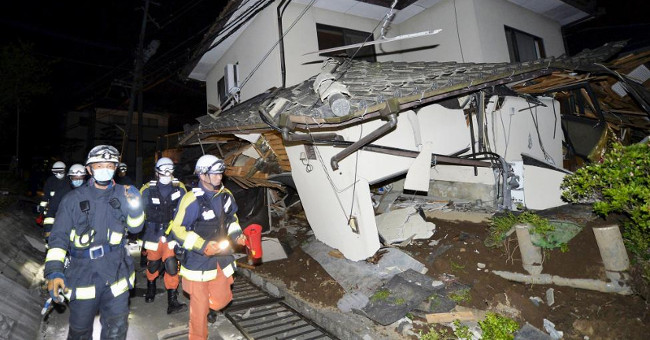
Surely many people will be surprised to know that every year the earth suffers from about half a million earthquakes from mild earthquakes people do not feel the strong…
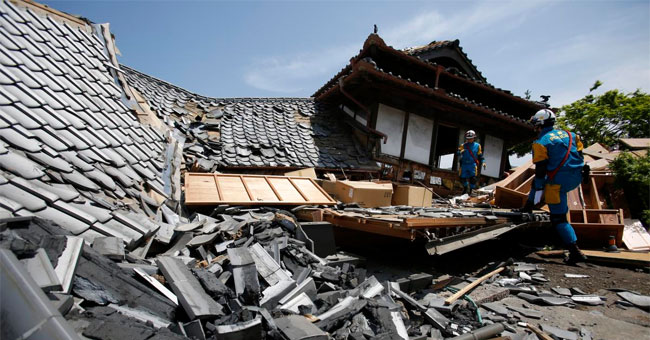
An early 7.3-magnitude Ricter earthquake continued to shake southern Japan.
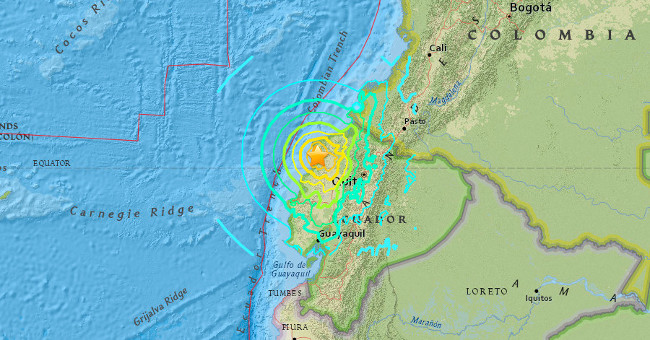
A 7.8-magnitude quake struck the central coast of Ecuador, killing at least 28 people and potentially leading to tsunamis.
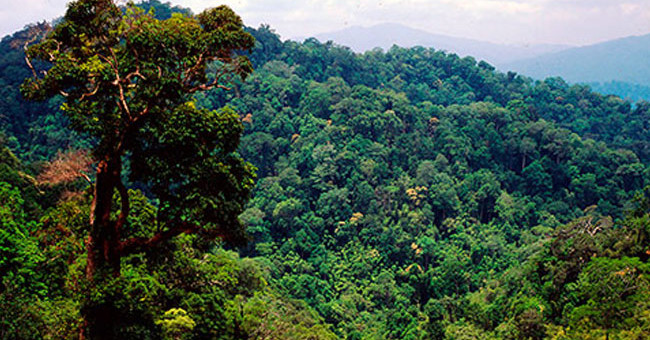
According to figures released by the World Bank, Latin America and the Caribbean region have the largest decline in forest area in the world since 1990 up to now.