Environment
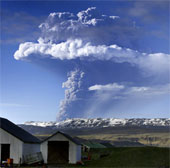
Iceland issued a red warning about the volcano
On August 23, the Icelandic government issued a red warning about the risk of the Bardarbunga volcanic system erupting, potentially causing global air traffic turmoil.
Explore science in everyday life, from weather and health to wildlife, geography, human biology and unusual phenomena around the world.
9,109 published items in this category and its subcategories.
On August 23, the Icelandic government issued a red warning about the risk of the Bardarbunga volcanic system erupting, potentially causing global air traffic turmoil.
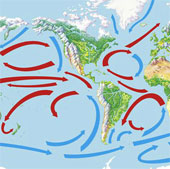
According to a recent study, global warming may be interrupted in the next 10 years.
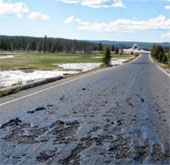
The operation of the Yellowstone volcano in the US with high temperatures causes the asphalt to melt and the park must be temporarily closed.
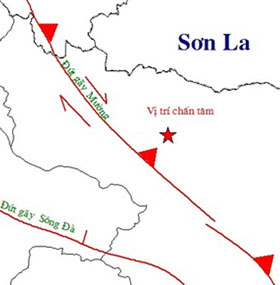
19h15 on 19/7 many people on high-rise buildings in Hanoi clearly felt the shaking, found objects in the house suddenly fell
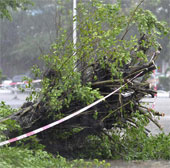
After sweeping the Philippines on a large scale, Typhoon Rammasun yesterday attacked southern China with strong gusts of wind, knocked down trees and houses and killed 4…

Heavy rainfall amounted to 400mm, causing many spots in Lang Son to sink in the sea.
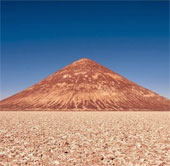
Cono de Arita is shaped like a large pyramid, but is thought to be a volcano not strong enough to erupt lava.
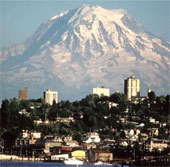
Mount Rainier, one of the most dangerous volcanoes in the United States and around the world, is expected to wake up soon and prepare a new boom.
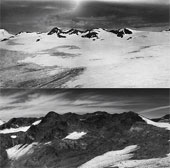
According to climate change experts, CO2 emissions will reach record levels if temperatures and sea levels continue to rise.

June 2014 became the hottest June in world meteorological history since experts began collecting and recording data on the average temperature of the Earth in 1880.

Beef is by far the most harmful protein for the environment due to animal husbandry activities.
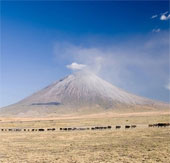
Without the lava-red eruptions, the volcano Ol Doinyo Lengai in Africa spilled an impressive stream of black lava.
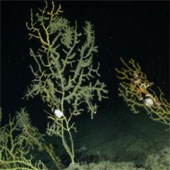
A new study of two additional coral communities shows signs of damage from spill from the Deepwater Horizon oil spill in the Gulf of Mexico.

More than 8580 people were hospitalized within a week with symptoms of heat shock or sun exhaustion and 15 people died.
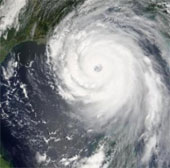
A storm named Ha Long and another tropical depression have just formed in the eastern Philippines.