Environment
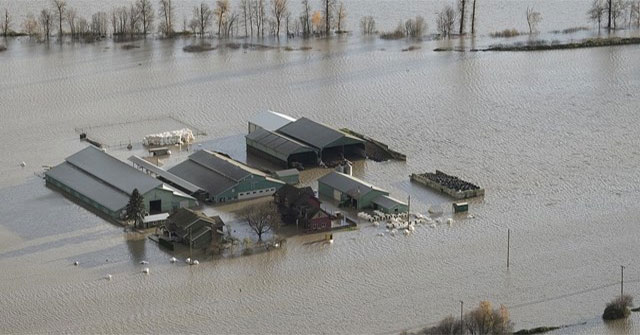
How bad was the flooding in the Pacific Northwest?
Floods and landslides have devastated the West Coast of Canada and the United States just months after a record heatwave, raising alarms about the worsening situation of…
Explore science in everyday life, from weather and health to wildlife, geography, human biology and unusual phenomena around the world.
9,109 published items in this category and its subcategories.
Floods and landslides have devastated the West Coast of Canada and the United States just months after a record heatwave, raising alarms about the worsening situation of…
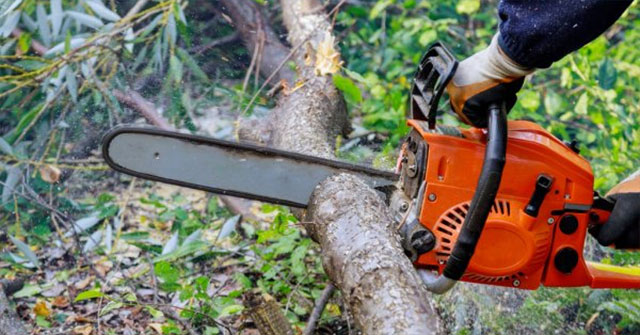
The city of Cape Town cuts down non-native trees because they consume so much water, about 55 billion liters a year.
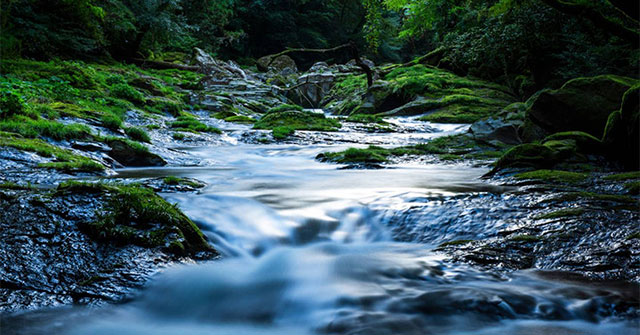
The mystery of the strong beer-smelling stream in Hawaii was recently solved when scientists discovered that spring water has 1.2% ABV (alcohol by volume or milliliters…
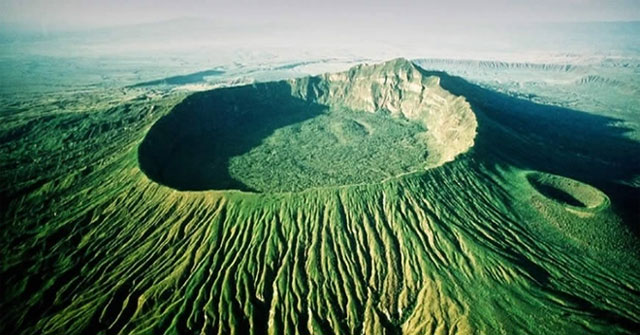
Longonot is an extinct volcano in Kenya. Today, the crater floor is a dense, green forest.
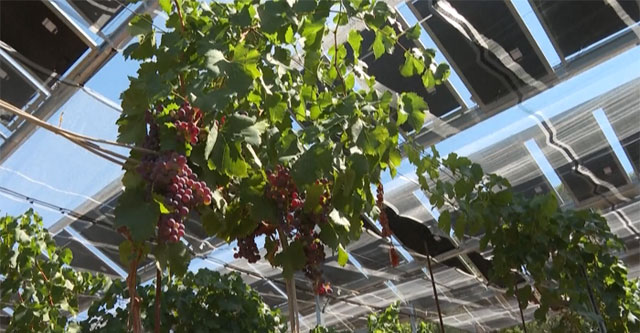
France is using mobile solar cells to generate electricity and create shade for orchards, helping plants cope with the heat.
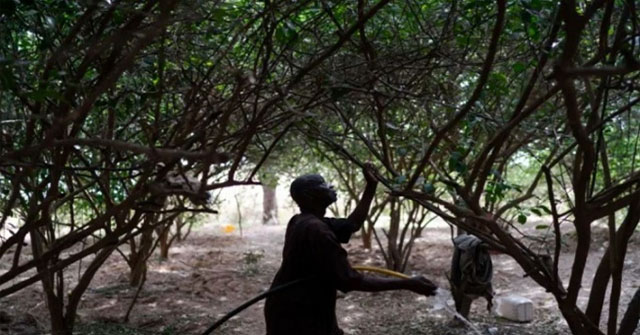
African countries aim to plant trees into a wall nearly 8,050 km long that runs across the entire continent, forming a natural barrier to prevent the Sahara desert from…
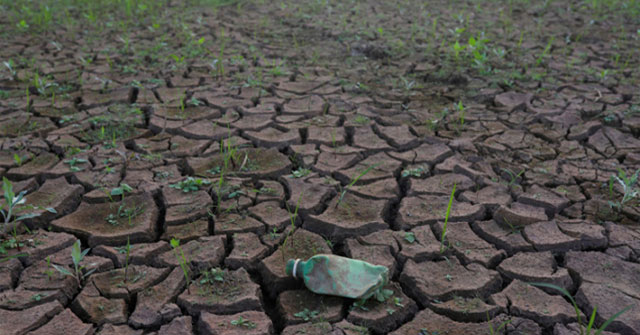
If the Earth warms by 2 degrees Celsius instead of 1.5 degrees Celsius, people, wildlife and ecosystems will all suffer severe consequences.
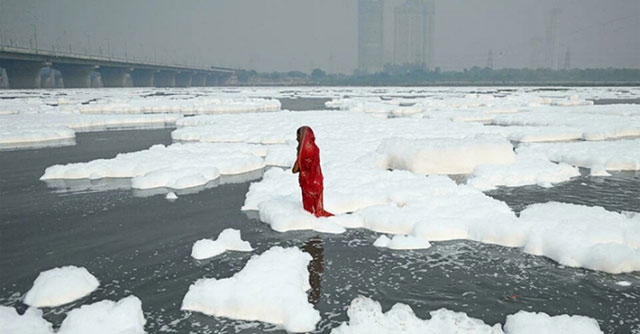
The sacred Yamuna river in New Delhi, the site of the Hindu festival of Chhath Puja, was covered with mounds of snow-white foam on November 8.
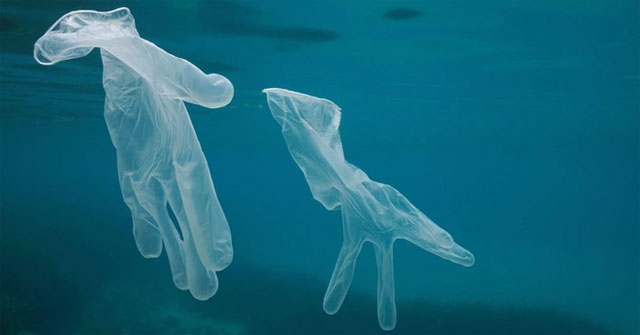
A newly published study shows that 25,900 tons of plastic waste from the Covid-19 pandemic - the equivalent of more than 2,000 double-decker buses - has been dumped into…
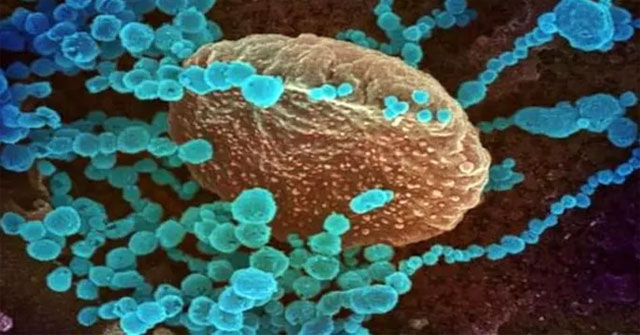
A new coronavirus that likely originated in dogs has been found to infect humans in Malaysia and Haiti.

Research published in the Lancet shows that fully vaccinated people still infect other family members like unvaccinated subjects.
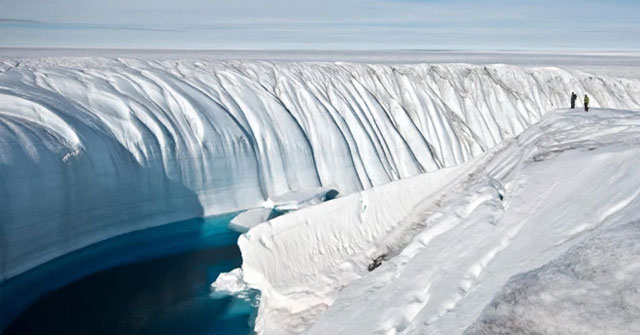
At this rate, Greenland, one of the largest freshwater reserves on the planet, may disappear in the future.
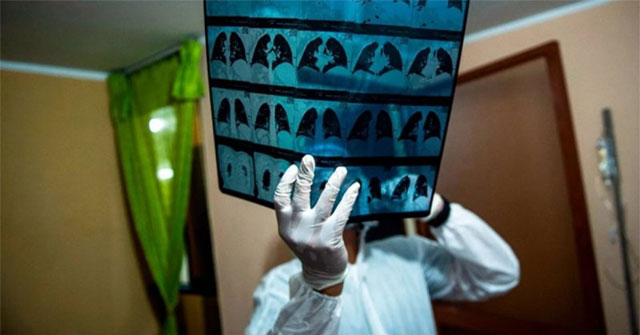
Scientists from the University of Oxford, UK have discovered a gene called LZTF1, which doubles the risk of lung failure and death from Covid-19.
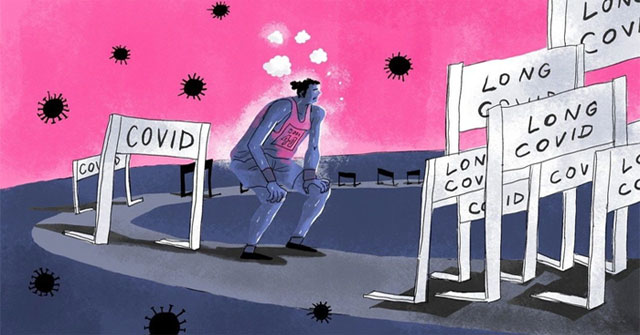
The first trial with the drug targeted fatigue and muscle weakness in people with prolonged Covid-19 sequelae, or
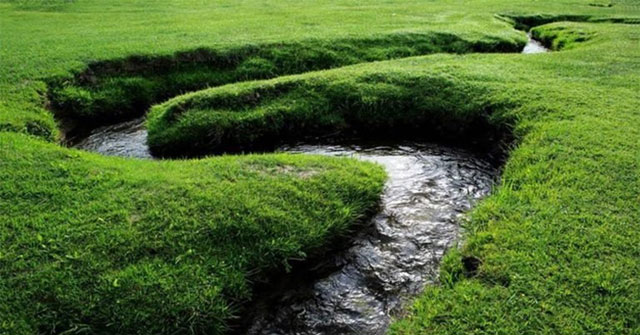
The Hualai River in China, is more than 17km long but has an average width of only 15cm. Its narrowest place is only 4cm wide.