Environment
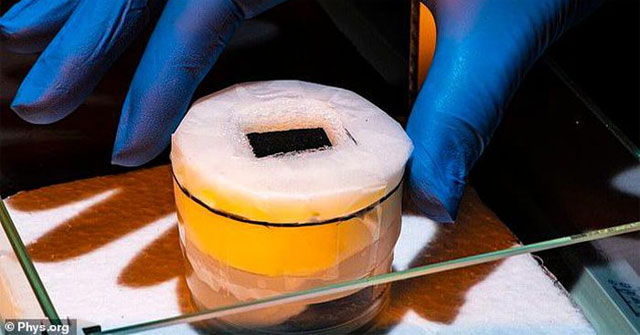
Cow dung helps filter seawater into pure water
In addition to using it as fertilizer, researchers are using cow dung to filter seawater into pure fresh water.
Explore science in everyday life, from weather and health to wildlife, geography, human biology and unusual phenomena around the world.
9,109 published items in this category and its subcategories.
In addition to using it as fertilizer, researchers are using cow dung to filter seawater into pure fresh water.
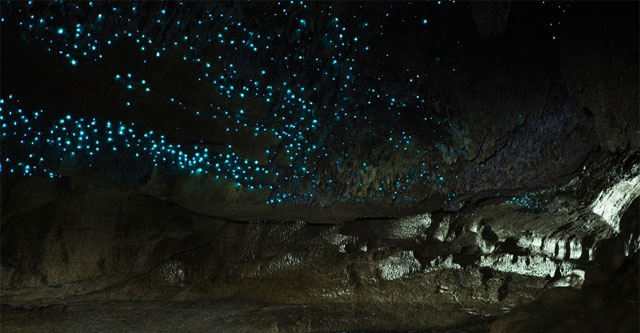
Visitors will enjoy the wonderful light show of tiny larvae when coming to Dismals Canyon (Alabama state). This amazing phenomenon only happens twice a year.
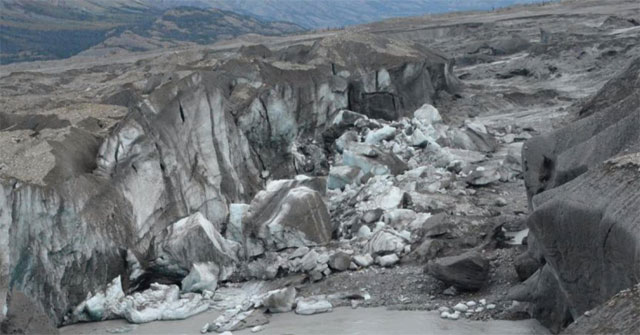
In this 21st century, this is so amazing!
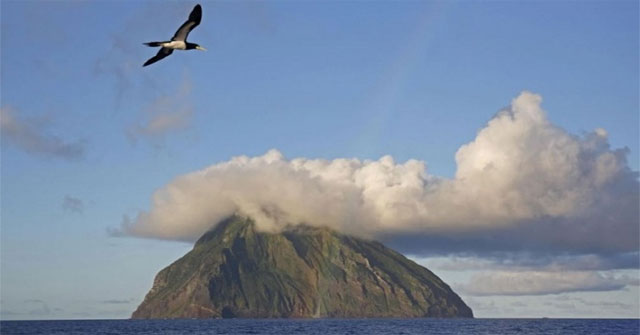
If confirmed, tremors at a depth of 751 km could surprise geologists who think the middle mantle is virtually earthquake-proof.
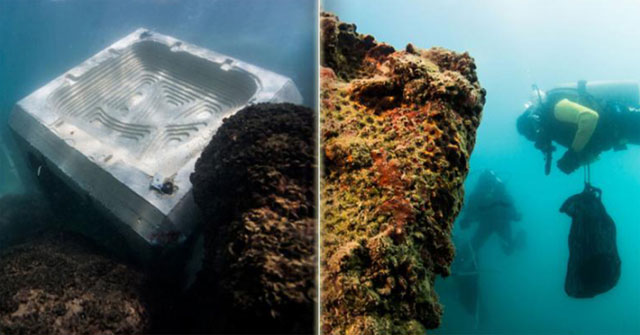
Startup Israel develops eco-friendly concrete that becomes even stronger when marine life clings to the surface.
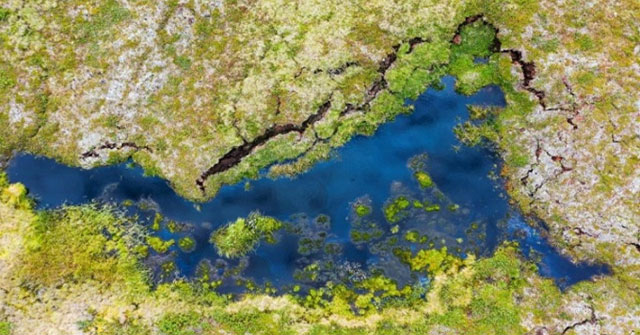
Permafrost melting due to global warming brings with it many threats such as the release of greenhouse gases, fractured infrastructure and changing landscapes.
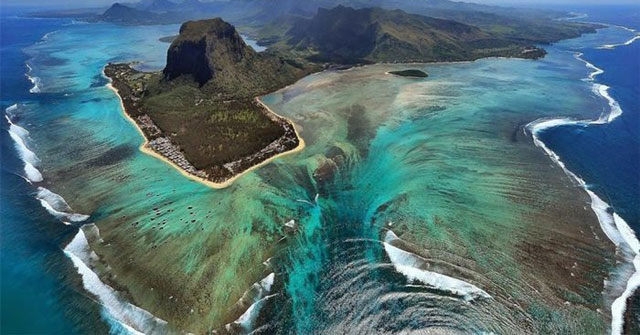
The island nation of Mauritius possesses one of the most magnificent landscapes in the world: Undersea waterfalls. However, is this really a waterfall?

Silver is one of the most versatile metals on Earth, with a unique combination of uses as a precious metal and an industrial metal.
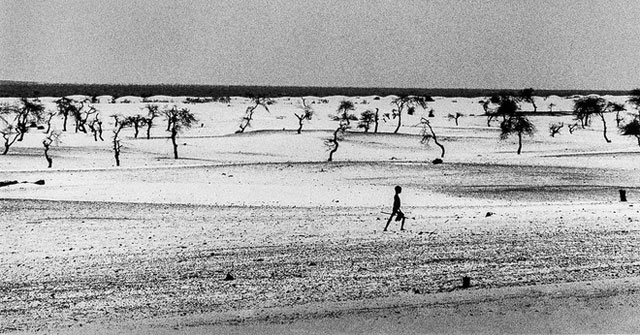
Once an important area for agriculture and fishing, Lake Faguibine in Mali is now left with bare sand dunes.
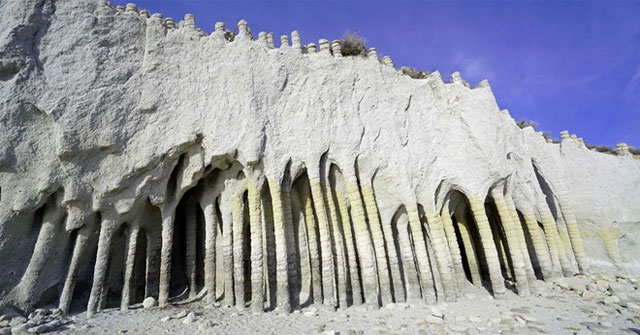
Spiral stone columns up to more than 6 m high on the shores of Lake Crowley, California, USA are said to be 760,000 years old.
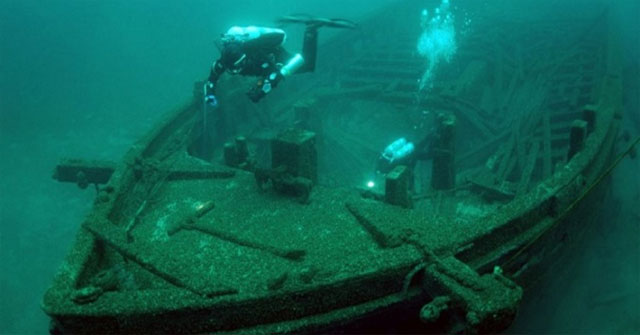
As one of the most navigable inland waterways in the world, Lake Erie is also known as a shipwreck graveyard in the Five Lakes region.

Many leaders said they had hoped the G20 meeting in Rome would yield more positive results.
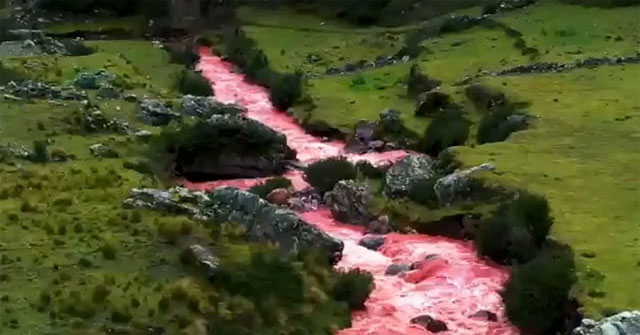
In Cusco, Peru, there is an amazingly pink and red river. In particular, this watercolor is only available in the rainy season.
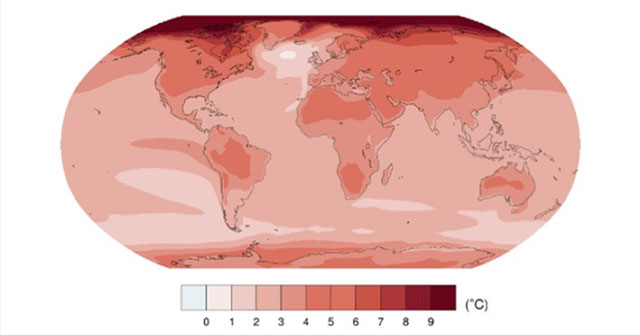
CO2 emissions mainly stemming from human activities are posing a global challenge in the fight against climate change.
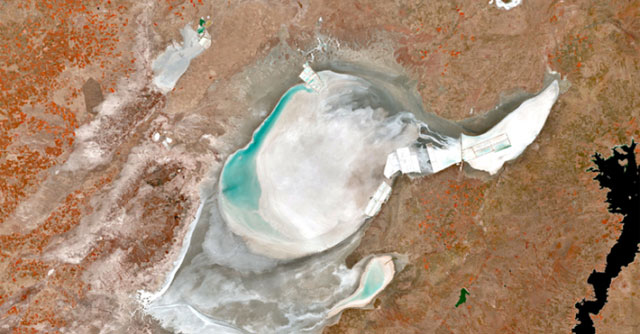
Salt Lake Tuz, which has an estimated 250 million tons of salt reserves, is drying up due to climate change and agricultural development.