Environment
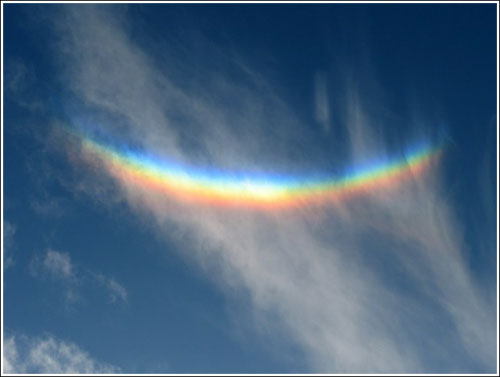
Rare 'rainbow rainbow' in the sky
The sky of England suddenly brightened with a brilliant rainbow-colored smile.
Explore science in everyday life, from weather and health to wildlife, geography, human biology and unusual phenomena around the world.
9,109 published items in this category and its subcategories.
The sky of England suddenly brightened with a brilliant rainbow-colored smile.

The boats create clouds in Pacific waters will be an effective solution to overcome global warming.
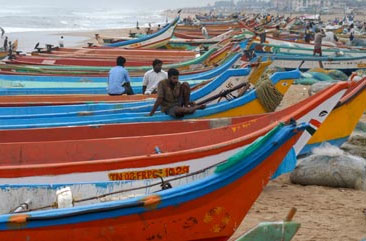
Two major earthquakes in Asia on August 11 showed that regional countries still have to make great efforts to build effective emergency warning systems to avoid repeatin…
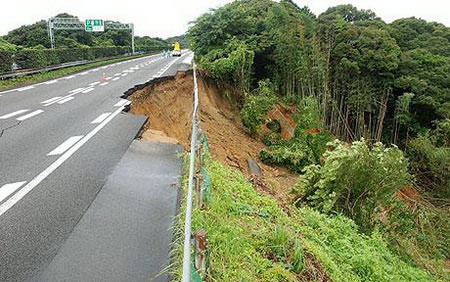
Early this morning (August 13), a strong earthquake shook central Japan, including Tokyo, just two days after the strong earthquake left one person dead and 120 injured.

The team, led by scientists at the California Institute of Technology (Caltech), has discovered an unknown element in the process that gas produced by plants and other p…
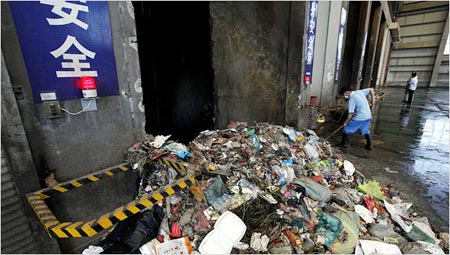
In a developing urban area in southeast China grows a massive incinerator, smells of stench and miles away and emits a lot of black smoke and toxic chemicals, ...

Facing the global economic downturn, the risk of exhausting traditional energy sources and the threat of climate change today, the world is looking for new ways ...

The small island nation of Tuvalu in the South Pacific wants to stop using fossil fuels and produce electricity from renewable energy before 2020.
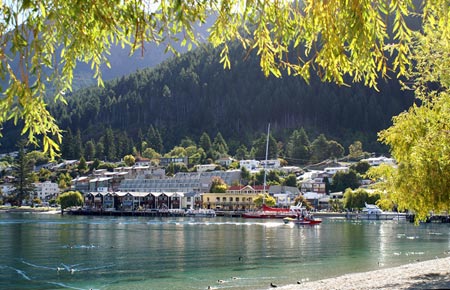
South New Zealand has moved closer to the east coast of neighboring Australia just after the big earthquake last week - instead of waiting for hundreds of years of seism…
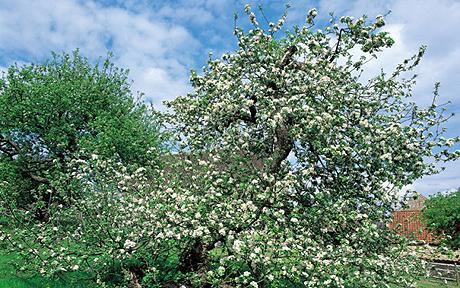
Thousands of ancient trees in England are dying due to environmental pollution, urban development and climate change.
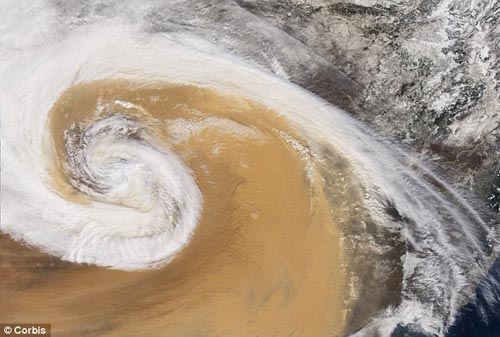
Japanese scientists first discovered the strange phenomenon: Clouds created by a giant dust storm and existed for so long that they circled more than one round of the ea…
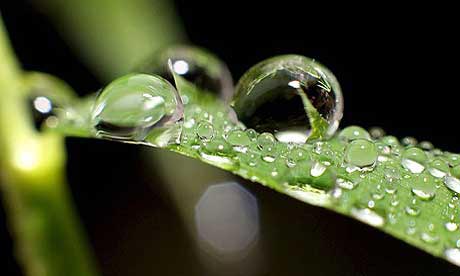
By filming a falling raindrop, scientists in France have explained why raindrops have so many different sizes.
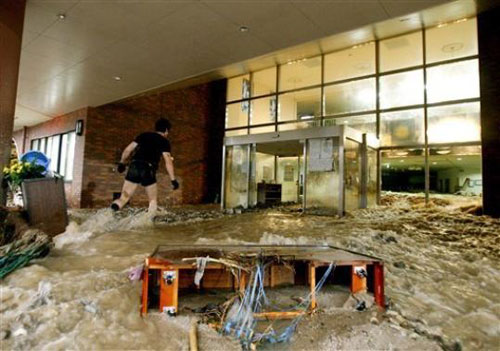
Hundreds of policemen, soldiers and rescue workers are trying to find 9 missing in floods and landslides after heavy rains in southern Japan.
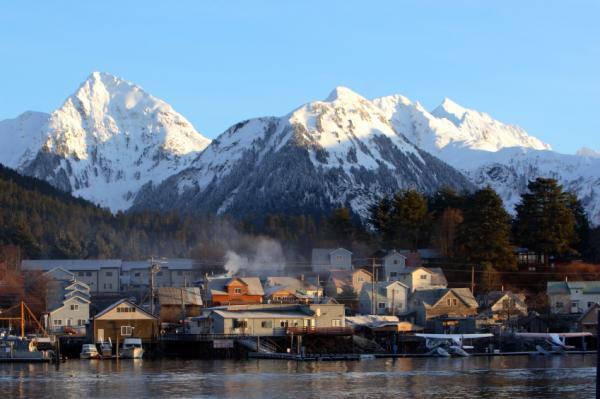
The likelihood of a massive tsunami from the Pacific to the west coast of the United States may be larger than previously thought, according to a new study of geological…

US Secretary of State Hillary Clinton recently met with fellow Mekong countries' counterparts to discuss environmental cooperation.