Environment
New environmental pollution control tool
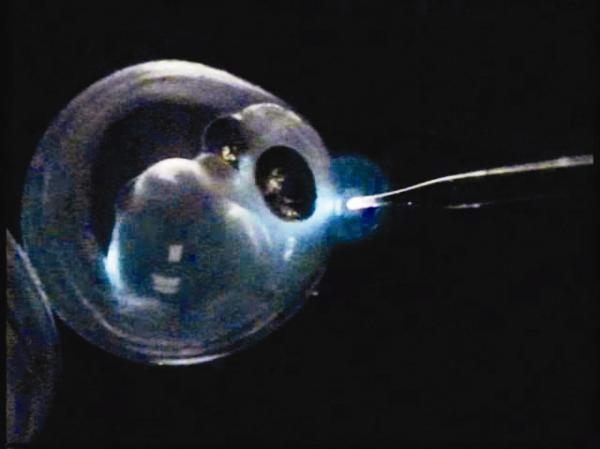
Researchers have recently used the susceptibility of a few-day-old fish embryos to create a tool capable of identifying some toxic chemicals.
Explore science in everyday life, from weather and health to wildlife, geography, human biology and unusual phenomena around the world.
9,109 published items in this category and its subcategories.
Researchers have recently used the susceptibility of a few-day-old fish embryos to create a tool capable of identifying some toxic chemicals.

Scientists are concerned that the fast-growing invasive snail snail discovered in Lake Michigan could adversely affect the region's ecosystem.

An English researcher wants to send hundreds of unmanned ships to the sea to spray water on the air - to curb the warming of the atmosphere.

Researchers have just introduced a new model. Accordingly, sea level is unlikely to rise by 2 m at the end of the century as previously predicted.

In the early days of the Earth, the solar system did not exist as it does today. At that time, the sun was very young, so it emitted very weak light, not enough to warm…
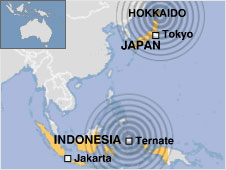
Around 9am this morning, two strong earthquakes rocked the Moluccas Islands in northeastern Indonesia and the northern island of Hokkaido.
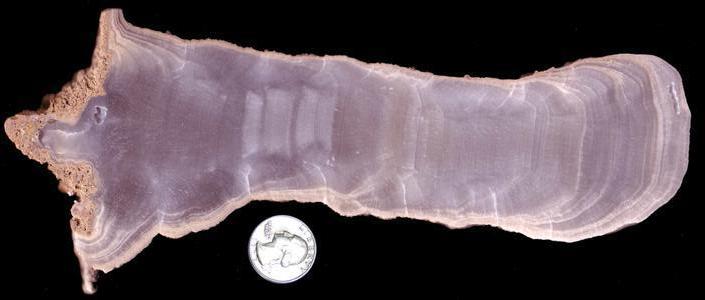
Stalagmites in the West Virginia cave have provided the most detailed geological record ever in the climate cycle in eastern North America over the past 7000 years.

Scientists once again set up an alarm about new harms to global climate and humanity. It is nitrogen, an extremely necessary element for life.
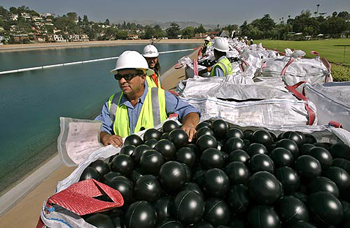
To reduce the concentration of cancer-causing agents in drinking water, Los Angeles residents have recently released hundreds of thousands of plastic balls into Lake Iva…
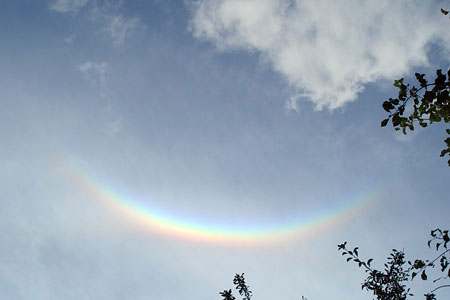
The upside-down rainbow, a rare natural phenomenon, appeared in the English city of Cambridge over the weekend.

If white replaces dark colors on roofs, sidewalks, roads of the world's 100 largest cities, greenhouse gas emissions can be reduced by 44 billion tons.

The magma beneath the Vesuvius mountain range has been rising to the surface in more than 20,000 years, according to a new study.
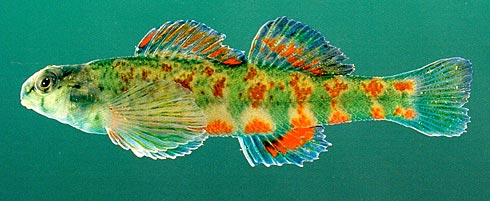
Nearly 40% of fish species in North American streams, rivers and lakes are threatened, according to the most detailed assessment of freshwater fish conservation in the l…

According to a study published in the July 11 issue of the journal Nature, American scientists have found a way to measure seismic wave frequency changes, helping build…

While Germany is still discussing whether to cancel the decision to abandon nuclear power, the rest of the world relies on this technique. 36 new reactors are under cons…