Medicine - Health
Delete painful memories thanks to genes that remove memory
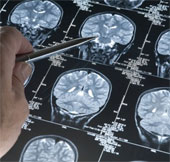
In a study that seems to be only in sci-fi movies, geneticists believe they have a step closer to the ability to erase obsessive memories.
Read clear coverage of medical research, diseases, symptoms, prevention, nutrition, treatments and everyday health topics across modern medicine.
16,084 published items in this category and its subcategories.
In a study that seems to be only in sci-fi movies, geneticists believe they have a step closer to the ability to erase obsessive memories.

New Zealand scientists claim to have discovered ways to develop infertility treatments and help to conceive new types.

How to help the brain get rid of fear, haunted by the painful memories studied by scientists at Northwestern University.

The study was carried out by scientists from Yale University School of Medicine, led by Professor Ivan de Araujo.

French scientists have achieved initial success in reversing dwarf syndrome.

New research on female hormones in male bodies has been published by American scientists.

Continuous use of Facebook and other social networking sites can result in temporary memory loss.

Babies who sleep for an hour after lunch will learn better by strengthening the brain.

Scientists at the Royal College of London (UK) say they are getting closer to the possibility of finding a vaccine to prevent all types of flu.

Injecting salt water directly into the spine may be more effective in treating lower back pain than steroid injections.

The project aims to build miniature human organ systems to consider how they respond to harmful agents during the experiment, while developing potential treatments.
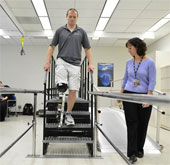
After losing his right leg in a motorbike accident four and a half years ago, Zac Vawter was fitted with an artificial leg.

Paul Karason, an American man with blue skin like the aliens on film just died, is 62 years old.

New genetic testing can help doctors more accurately diagnose the progress of prostate cancer.

The number of suicides on railroads in Japan increased sharply after bad weather days, forcing operators to increase surveillance during rainy days.