New technology
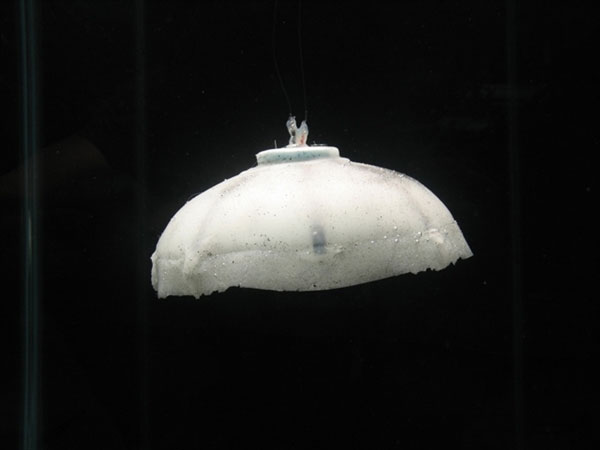
Robot jellyfish spotted oil spills
Engineers at Virginia Tech University have researched and developed a robot called Robojelly that mimics the graceful movement of jellyfish.
Track emerging technologies, autonomous vehicles, advanced materials, clean energy, robotics and engineering breakthroughs changing the future.
7,774 published items in this category and its subcategories.
Engineers at Virginia Tech University have researched and developed a robot called Robojelly that mimics the graceful movement of jellyfish.
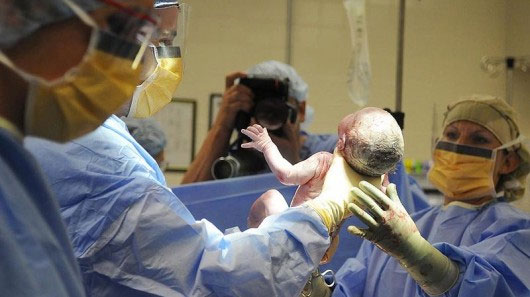
Scientists at the University of Paris Sud (France) have developed PREDIBIRTH software that can accurately predict difficult births.

Scientists at Washington University in the US have used a three-dimensional printer to 'bone' the shape of a natural bone, which can be used to treat injuries.

Researchers in Zurich (Switzerland) are developing a magnetic nanotube capable of detecting harmful molecules that exist in the blood and removing them.

The Korea Aerospace Research Institute (KARI) today unveiled the world's fastest unmanned aerial vehicle, with a top speed of 400 km / h and dual-bladed propellers t…
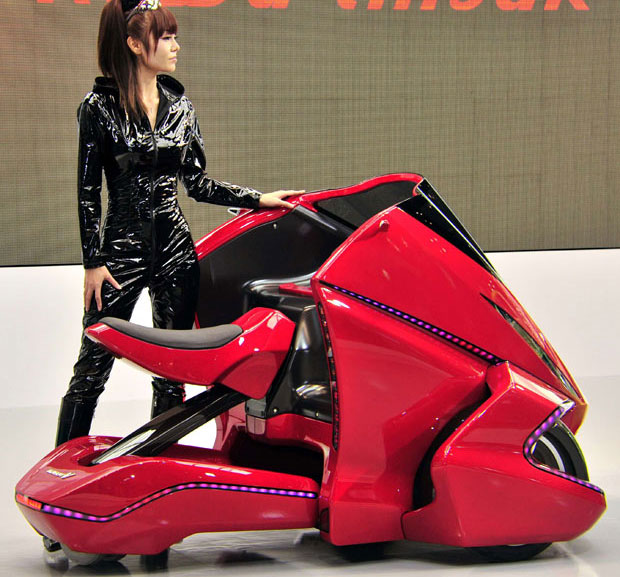
A foldable robotic vehicle controlled by a smartphone conquered the visitors to the Tokyo Motor Show.
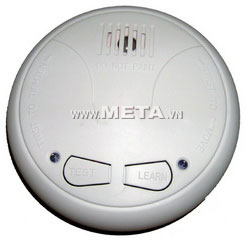
Gas detectors can recommend early leakages so that users can detect and handle them promptly.
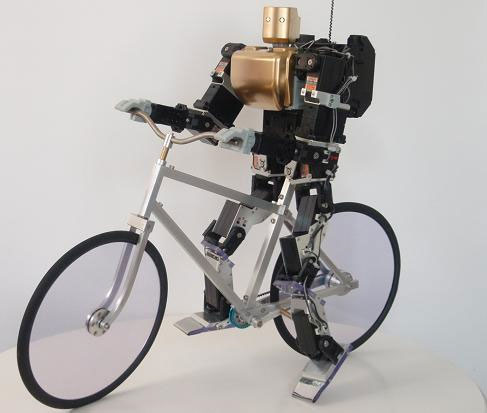
This small robot can ride a bike and balance on the car no less than human.

People build robots to do everything, and then it will be time for robots to be able to control ourselves.
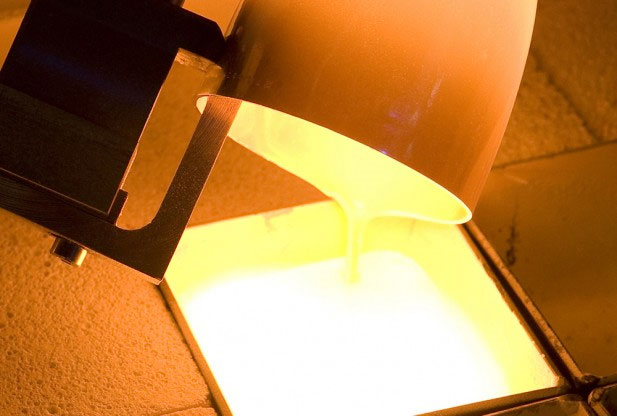
Researchers at the Fraunhofer Institute in Germany have created a robot capable of analyzing characteristics and developing new types of glass. This robot was introduced…

British engineers built a neutron microscope, allowing scientists to make measurements 30 times faster than any existing (other) measuring device.
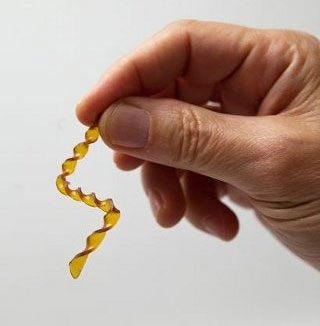
Scientists have developed a new plastic that can automatically recover when scratched, crushed or simply deformed.

MiG is a famous fighter in the world, used extensively in the Soviet Union (old) and now the new version still prove effective.
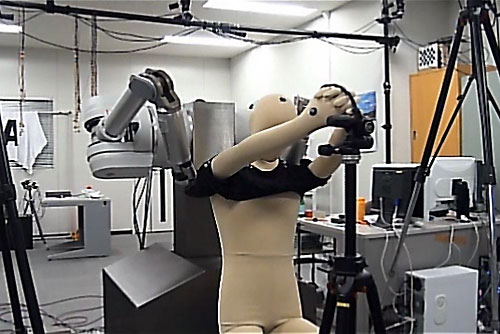
Persons restricted to arm movement (accident, old age or disability) often find it particularly difficult to wear clothing.
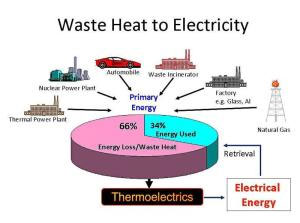
The researchers were led by Dr. Ole Martin Løvvik, working at the Center for Nanoscience and Materials Science, University of Oslo, Norway, claiming to have made thermoe…