New technology
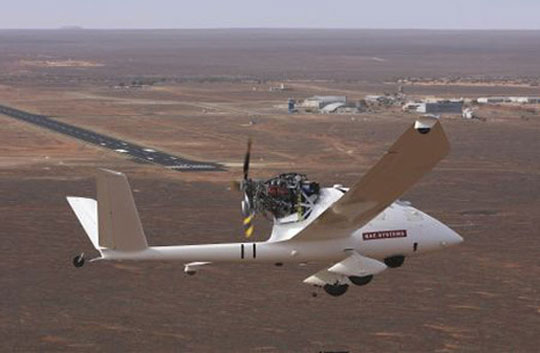
Malaysia built unmanned aerial vehicles
UAV Greentech 2010 unmanned aerial vehicles can reach speeds of up to 55 km / h and fly as high as 300 m in 60 minutes.
Track emerging technologies, autonomous vehicles, advanced materials, clean energy, robotics and engineering breakthroughs changing the future.
7,774 published items in this category and its subcategories.
UAV Greentech 2010 unmanned aerial vehicles can reach speeds of up to 55 km / h and fly as high as 300 m in 60 minutes.

Flickering ceilings are often annoying, but in downtown offices in St Cloud, Minnesota, they are actually an Internet connection.
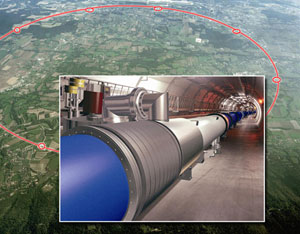
CERN has successfully conducted experiments with the LHC accelerator to decipher the mystery of the formation of the universe.
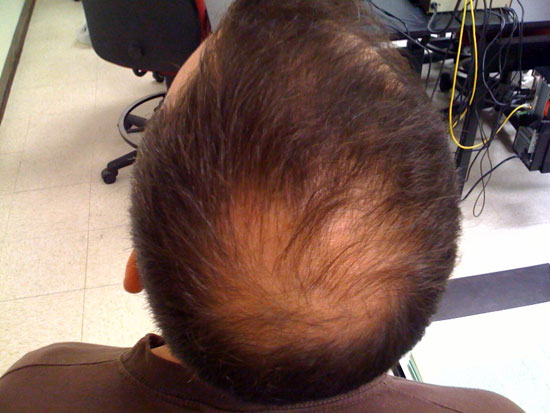
German scientists have successfully cultured artificial hair follicles from animal cells, which are thinner than natural hair follicles.

Students at the Florida Institute of Technology in Melbourne have just taken a first-ever X-ray image with a speed of 10 million frames per second.

Researchers in Japan have created an alloy with properties similar to palladium, a precious metal used in many high-tech products.

Navy Times reported that the first unmanned fighter aircraft designed to operate on US aircraft carriers was ready to take flight.
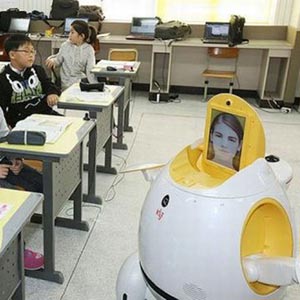
Recently, Korean authorities have decided to pilot 30 robots to teach English to some elementary schools in the country.
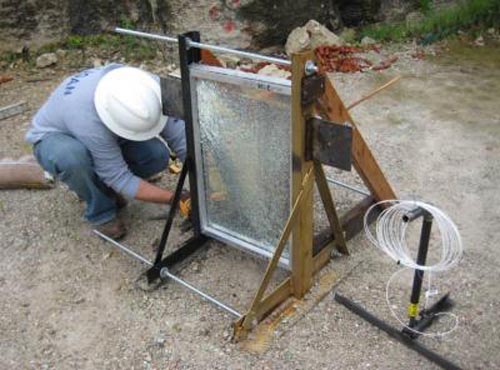
Scientists in the United States and Australia are developing a glass that is particularly light and thinner than traditional glass but very hard to not break into small…

The hospital emergency room nurse may soon be replaced by robots called TriageBots of computer engineers in the United States.

American experts have built a device that can support the eating of those with choking swallowing.
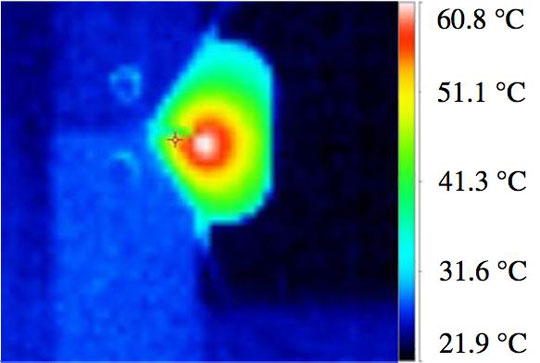
US scientists have successfully created a self-healing material that promises to bring practical applications in life.

German scientists have made a breakthrough in medicine when imaging nuclear magnetic resonance imaging.

Sensory and nerve stimulation implanted under the skin, including a smart chip attached to a compatible object smaller than the match.
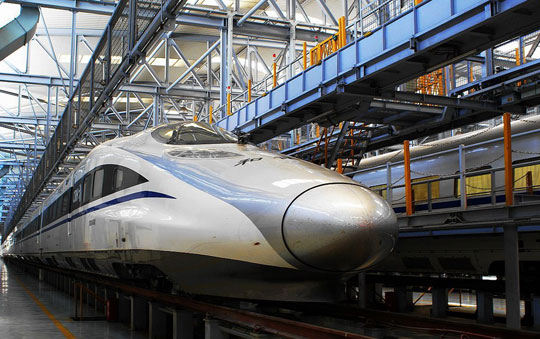
According to the Ministry of Railways, China has the technology to build high-speed trains that can reach speeds of 500 km / h or more by 2050.