New technology
The world's largest aircraft will take off later this year
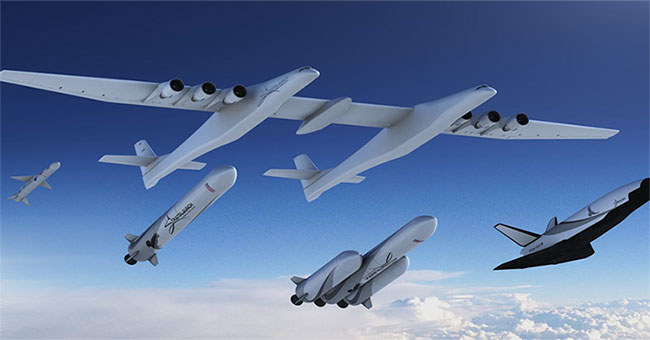
Stratolaunch, the world's largest wingspan with a length of 117 meters, will make the first flight at the end of the year.
Track emerging technologies, autonomous vehicles, advanced materials, clean energy, robotics and engineering breakthroughs changing the future.
7,777 published items in this category and its subcategories.
Stratolaunch, the world's largest wingspan with a length of 117 meters, will make the first flight at the end of the year.
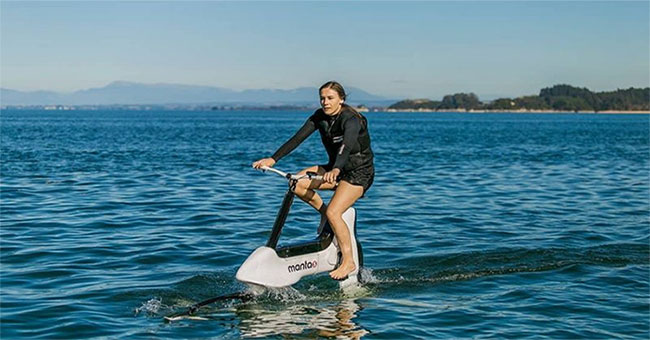
Hydrofoiler XE-1 uses special modules to float on the water itself. In addition, Hydrofoiler XE-1 can be operated again if it is overturned on water.
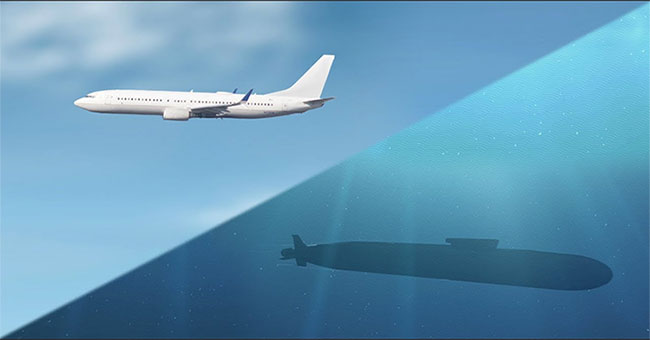
It was almost impossible for submarines to contact any other thing on the surface because of the physical limitations of the water environment.
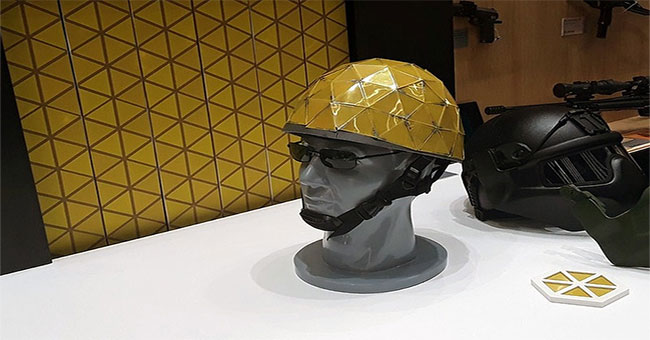
Improvements in Russian state-owned technology group Rostec's camouflage technology are expected to be applied to textiles in the near future.
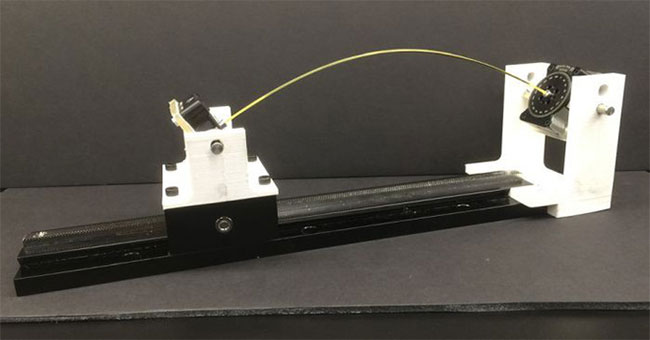
If you've ever cooked spaghetti, or at least have one
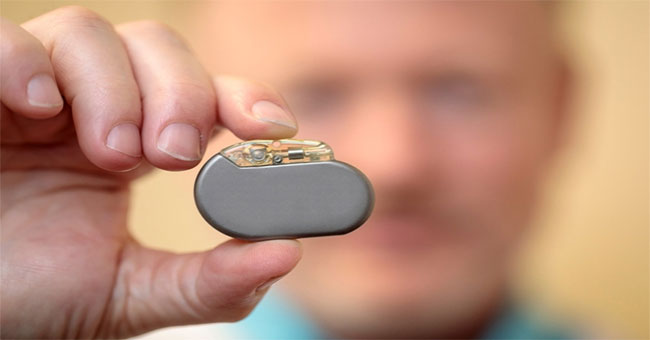
US scientists have successfully tested the device to stimulate the vagus nerve used in the case of antidepressants does not work.

The record breaking invention not only extends the boundaries of physics but can also be used to study some of the mysteries of quantum mechanics and how objects work in…
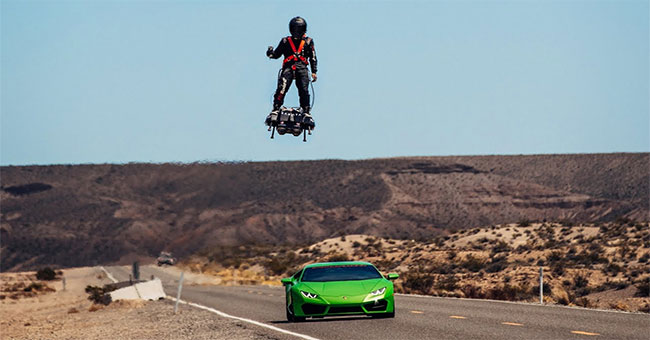
Frank Zapataz is an artist specializing in performing adventurous phases on hoverboards, jetpack (jet suits) or any other dynamic system.
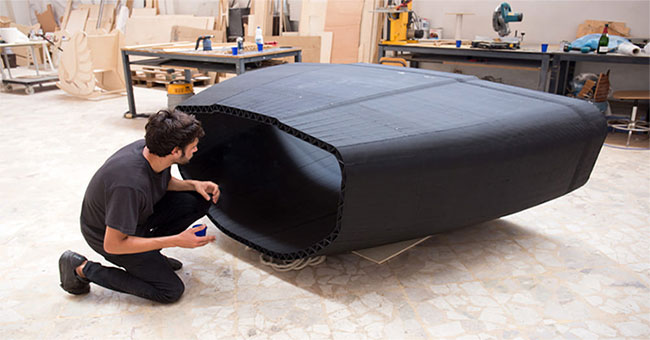
The journey across the Atlantic has long been a challenging distance for navigators around the world.
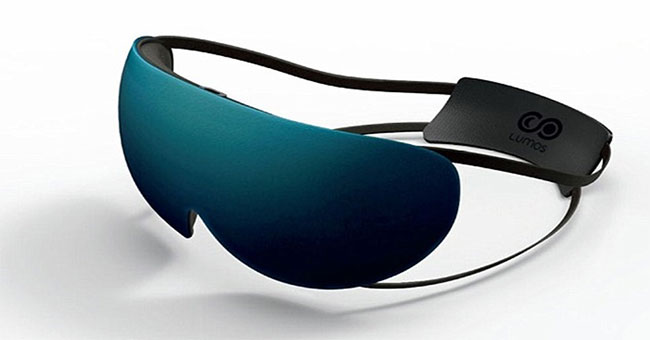
This high-tech sleeping visor uses flash technology to adjust your daily bio-rhythm by sending pulses of light when you sleep.
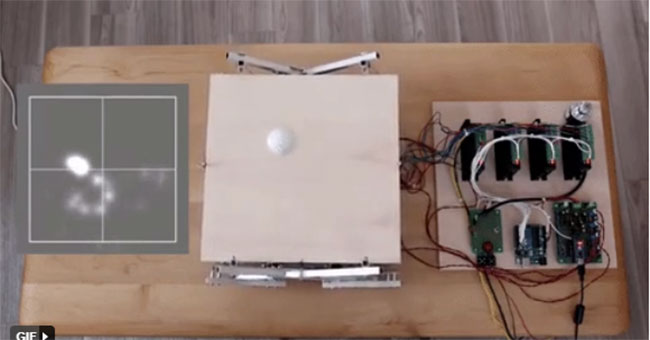
Robots are doing more and more things that people still think are difficult.
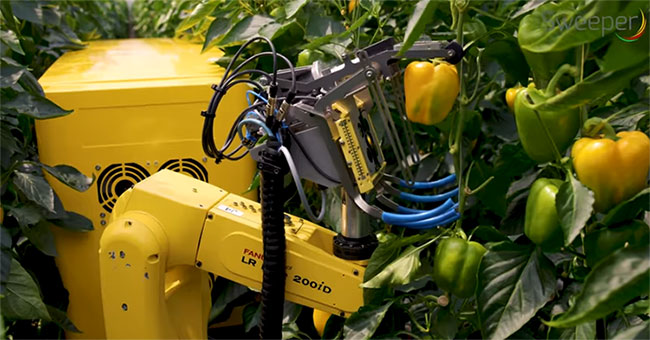
Compared to the traditional workforce, 'Sweeper Robot' can comfortably work in the harsh environmental conditions of greenhouses, which have high temperature and relativ…
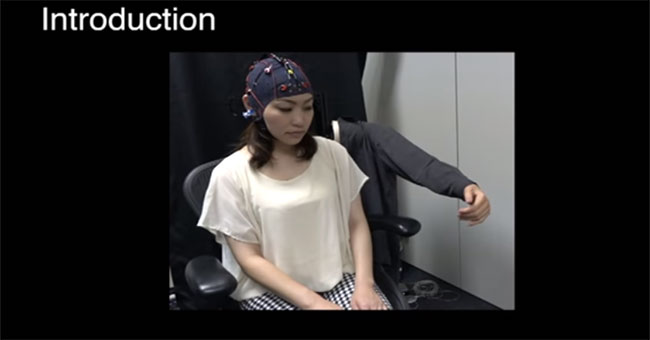
People who are busy often complain that they need one more arm to do all the work, but now, that may be about to come true.
Scientists from the Massachusetts Institute of Technology (MIT) have successfully built a robot that can power itself without a battery just as small as a human egg cell.
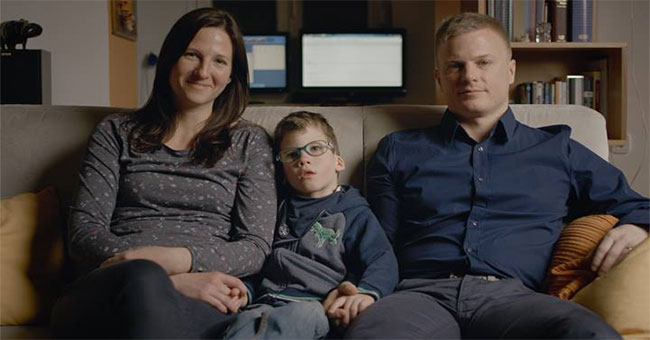
Nik, born with malignant cerebral palsy and unable to walk like a normal person. But with the love and creativity of his father, Nik took the first steps.