Oceanography
Acidification seriously threatens the marine environment
At the current rate of acidification, in the next few decades, marine organisms such as corals, shellfish such as clams and shellfish are in danger of extinction.
Dive into ocean science, marine life, deep-sea discoveries, polar ecosystems, underwater geology and mysteries hidden beneath the world's oceans.
2,285 published items in this category and its subcategories.
At the current rate of acidification, in the next few decades, marine organisms such as corals, shellfish such as clams and shellfish are in danger of extinction.
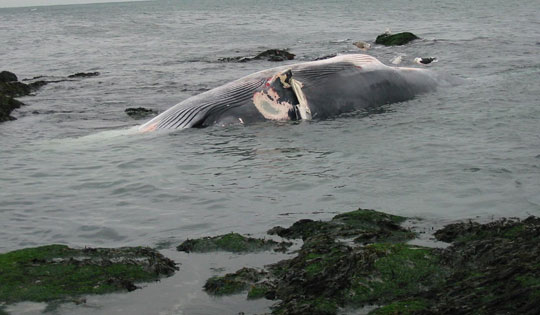
All generations of crabs, insects and creatures in the deep sea can survive every year thanks to the decaying body of a whale.
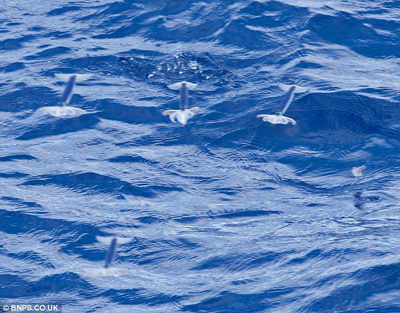
A British photographer took a picture of a squid that used jet propulsion to break out of the sea and fly at about 20cm high, according to the Daily Mail.
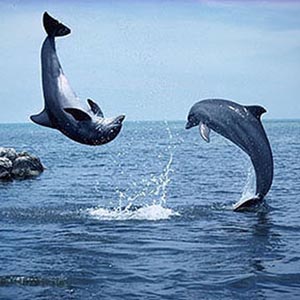
South Korean officials will tighten rules to combat illegal whaling.

Not only is the monstrous shape, these fishes are also extremely dangerous with strong venom, sharp teeth or horrible blood-sucking ability ...

A giant 445 kg bluefin tuna, the heaviest of the fish caught in Japan 24 years, was sold at the fish market in Tokyo today.

Scientists at the University of Queensland, Australia have discovered exotic marine creatures not previously recorded beneath the Osprey Reef coral reef.
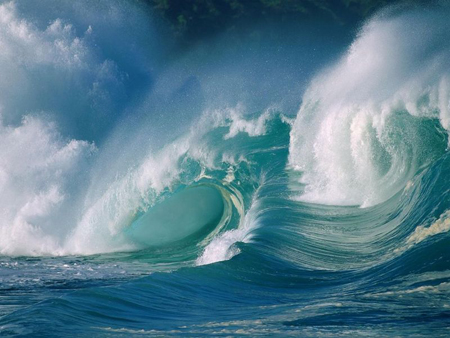
According to a new study, plankton play an important role in turning ordinary storms into super storms, and
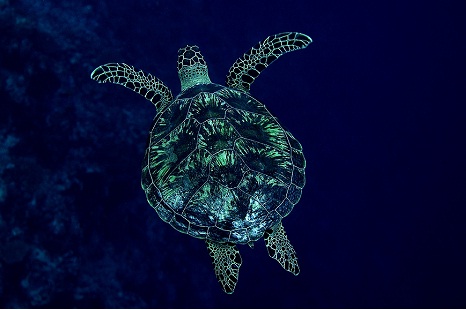
According to the results of the Census of Marine Life, the 2010 Census, scientists said more than 230,000 species of organisms are living in the oceans.

Sponge (seaweed) creates glass needles up to meters long, providing effective anti-cancer substances and is able to purify seawater to remove toxins.
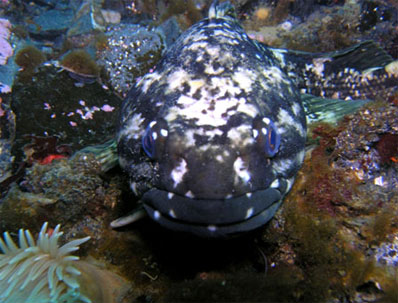
Antarctic fish species can freely travel in sea water below 0oC because their blood has anticoagulant glycoprotein.
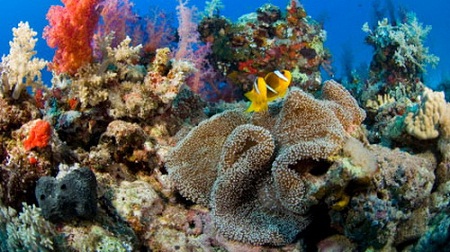
The United Nations has recently warned against strange wildlife species that are invading and threatening biodiversity in European waters.
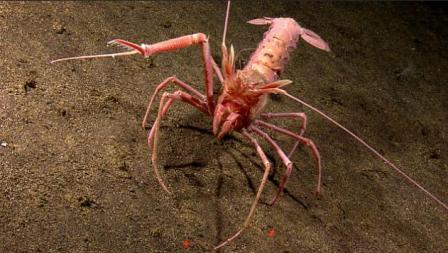
Colorful and diverse images of newly discovered creatures, many of which look attractive.
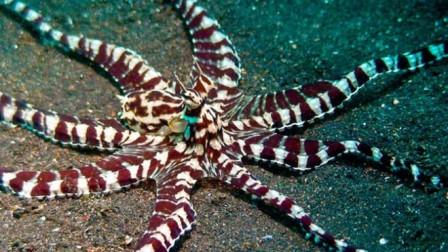
The BBC reported that the Thaumoctopus mimicus octopus living in Indonesian waters could 'impersonate' the same swimming technique of flatfish or sea snakes to survive.