
Science Events
The last native speaker dies, the Yamana language officially disappears
An indigenous language from the southernmost region of South America that disappeared completely after the death of the last native speaker.
Follow major science events, research announcements, awards, missions, records and discoveries from institutions and researchers around the world.
2,370 published items in this category and its subcategories.
An indigenous language from the southernmost region of South America that disappeared completely after the death of the last native speaker.

The Danish company plans to install offshore charging stations for ships to use instead of oil, helping to reduce carbon emissions.

Recently, the French capital Paris has put into operation the first radar device to help measure the noise of traffic vehicles, and automatically

Matter exists in 4 states solid, liquid, gas and plasma can be a definition that needs rethinking. There is a substance that belongs to the state of suspension between s…
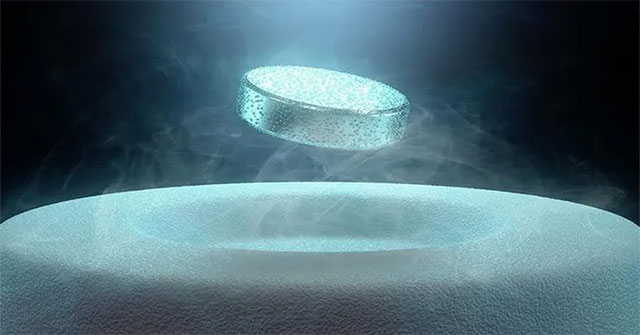
A team of US and Chinese researchers have found the exotic metal in a material where charge is carried not by electrons-electron particles, but by a wave-like entity cal…

On February 9, the Seoul government announced that the first batch of self-driving taxis in the Korean capital will officially go into operation in the Western region.
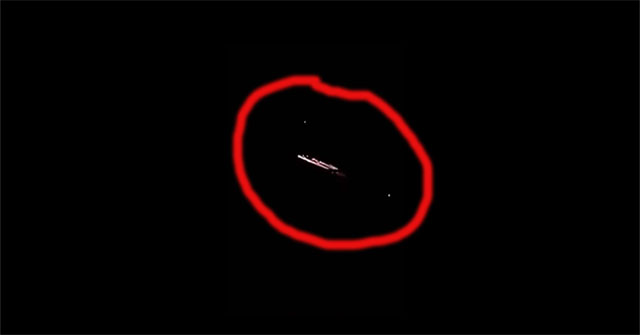
The second stage of Falcon 9, a 2017 rocket, re-entered the atmosphere and burned up completely before reaching the ground.
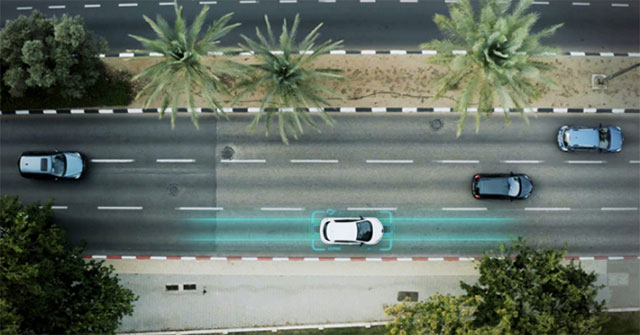
Startup Israel is building a road about 1.6 km long equipped with a wireless charging system for electric vehicles in Detroit, Michigan.
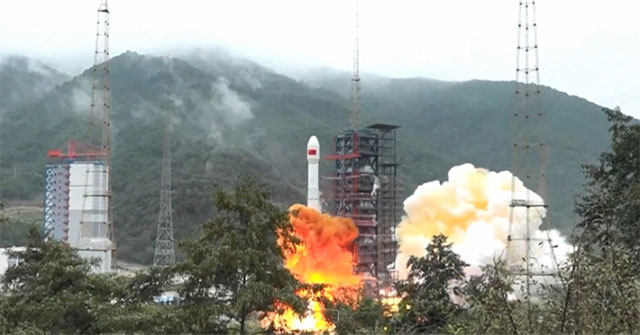
The Shijian-21 satellite flew close to another decommissioned satellite and pulled it high, to a graveyard orbit for dead satellites.
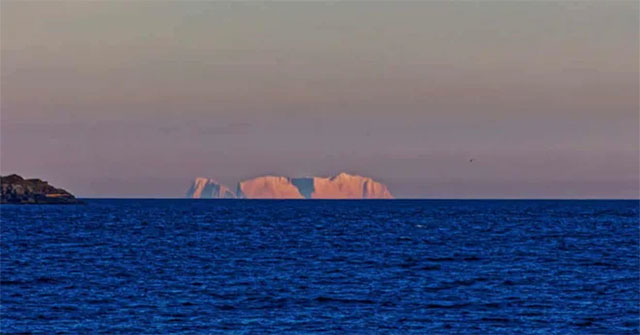
Canadian photographer Simone Engels was stunned when he discovered the huge white structure that appeared to be floating abnormally.
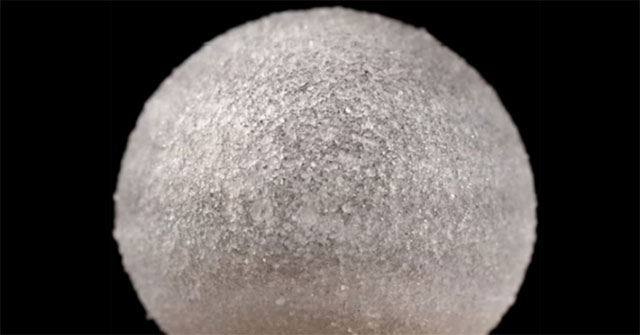
By adding glycerol and plastic beads, the scientists created ultra-strong bubbles that have potential applications in the drug and food industries.
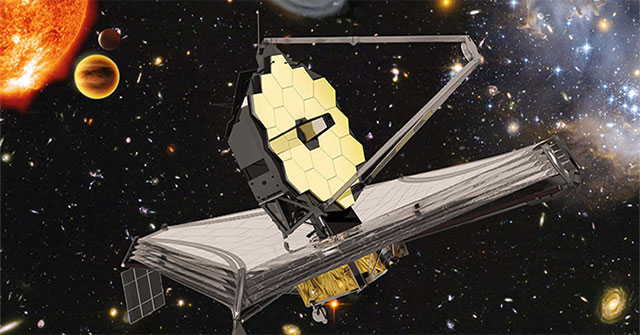
The James Webb Space Telescope has reached its final destination almost a month after it was launched into space.
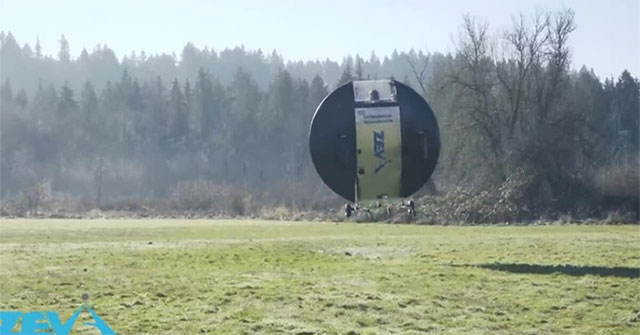
The Zero single-seat flying vehicle with its unique round and flat design was tested for the first time in hovering for a total of more than 4 minutes.
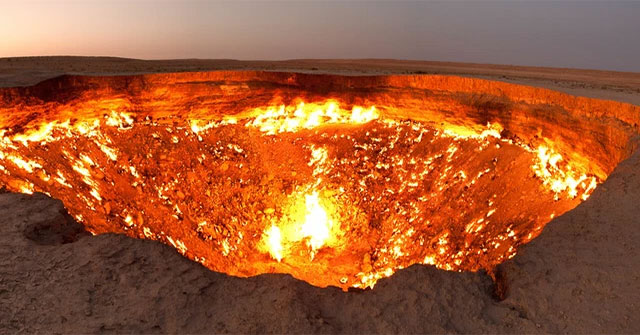
Some Turkmen geologists say the crater appeared in the 1960s but did not start burning until the 1970s, and it has been in the Karakum desert for the past 50 years.
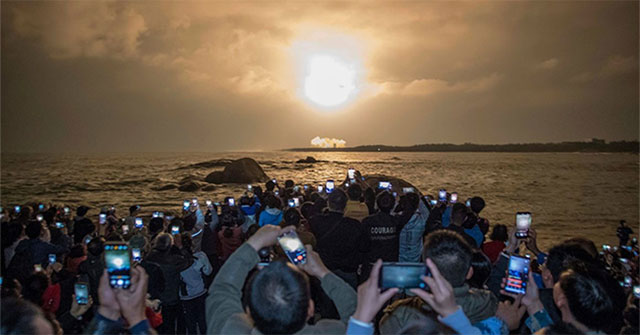
A video allegedly capturing the scene of China sending an 'artificial sun' into the sky has been viewed millions of times and shared tens of thousands of times online.