Science story
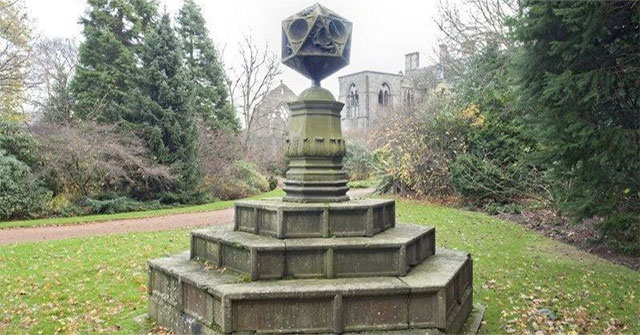
Discover the unique sundials of the ancients
Before there were wristwatches or desk clocks, the ancients used the natural method of tracking celestial objects and homemade sundials to tell the time.
Read engaging stories about scientists, discoveries, mathematics, inventions and remarkable ideas that changed how people understand the world.
1,294 published items in this category and its subcategories.
Before there were wristwatches or desk clocks, the ancients used the natural method of tracking celestial objects and homemade sundials to tell the time.
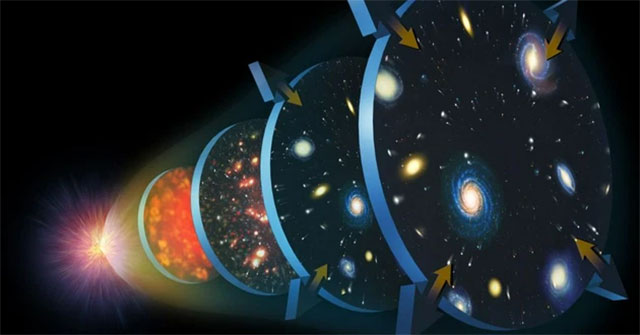
The multiverse may be too familiar to movie enthusiasts, but in the real world, does the multiverse really exist and what is the possibility of the multiverse?

Research results do not prove that dogs also understand physics.

The word 'Christmas' in English is 'Christmas', but a lot of people simply write it as 'Xmas', why is that?

After all, what happened to her? Does time exist or not?
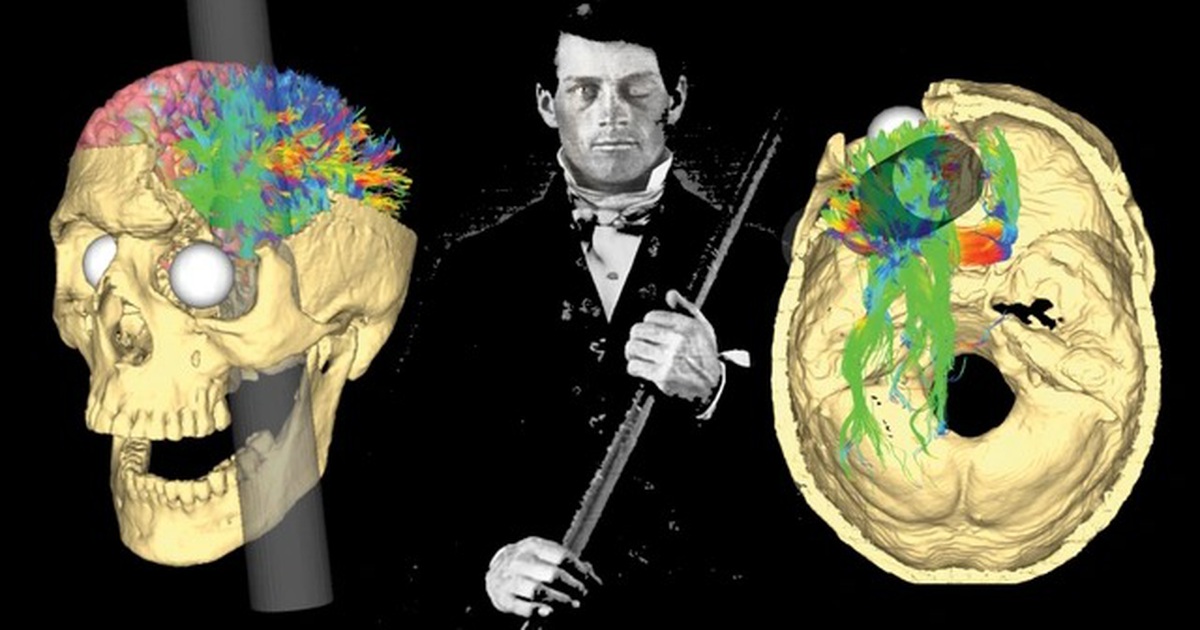
After Phineas P. Gage pulled an iron rod through his skull in 1848, his personality changed dramatically and his accident helped give birth to modern neuroscience.
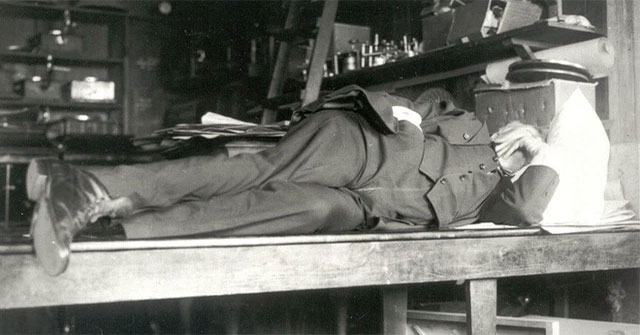
You will find in hypnagogia ideas that never appear in reality.
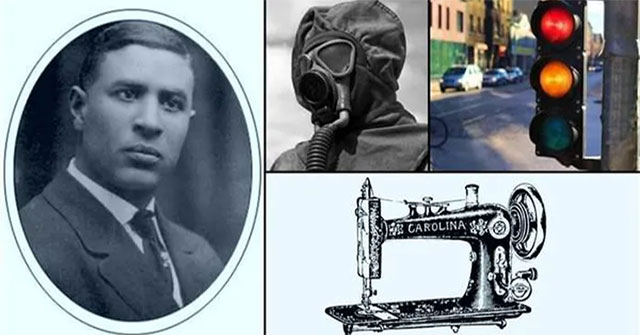
The life of black people in a time when racism weighed heavily on American society was not easy.

We have long been familiar with the phrase 'stainless steel', commonly found in kitchen utensils, faucets, sinks... But what stainless steel actually is, not everyone kn…
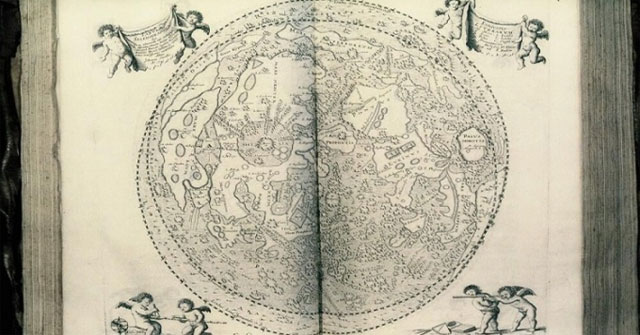
German astronomer Johannes Hevelius used a microscope to make the first detailed map of Earth's natural satellite.

Albert Einstein's precious 54-page handwritten document will be auctioned off in Paris, France tomorrow.

The mysterious shards of twisted glass scattered across Chile's Atacama desert may have come from a large comet that exploded in Earth's atmosphere about 12,000 years ag…

After completing the flight, Zara will become the youngest female pilot in the world to set a Guinness record with a solo round-the-world flight.
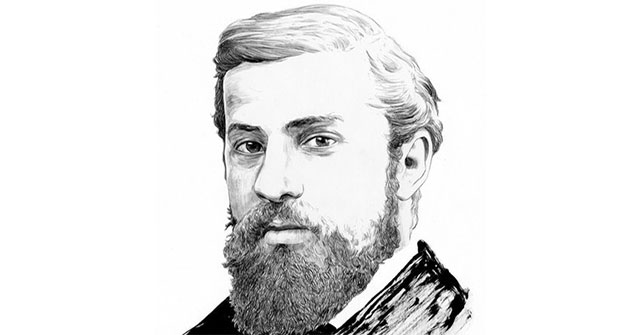
In his book '20 Outstanding Minds That Changed the World', Antoni Gaudí is called a great architect, designing unique buildings inspired by nature.
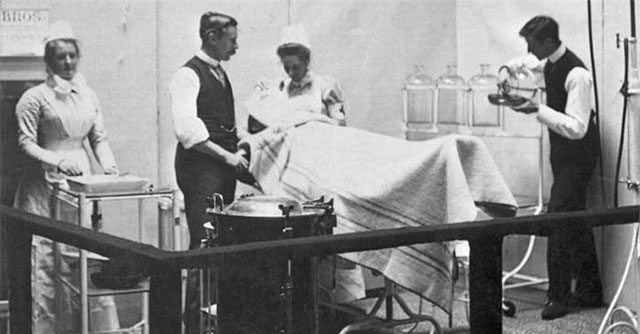
An obsessive fascination with the body of a great doctor led directly to the development of grave theft into a popular 'industry' in England in the 1700s.