
Space science
Overview of Saturn
Saturn is Saturn's sixth planet based on the average distance from the Sun and the second largest planet in diameter and mass, after Jupiter in the Solar System.
Explore astronomy, NASA missions, planets, galaxies, the Moon, the Solar System and discoveries that expand our understanding of the universe.
8,698 published items in this category and its subcategories.
Saturn is Saturn's sixth planet based on the average distance from the Sun and the second largest planet in diameter and mass, after Jupiter in the Solar System.
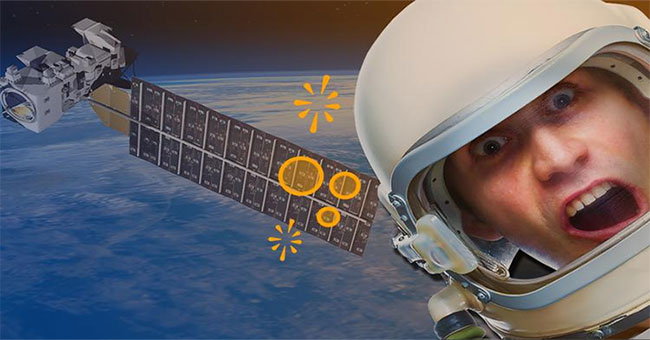
After all, the gravitational micro-environment of the universe can bring about great effects
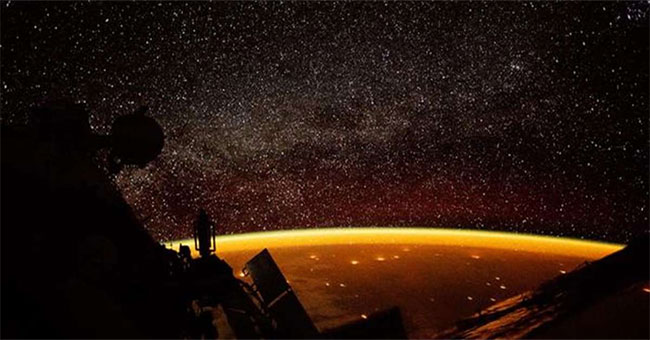
Optical phenomena with golden light like honey make the Earth look like a giant candy, urging astronauts on the International Space Station to stay in the moment on Octo…
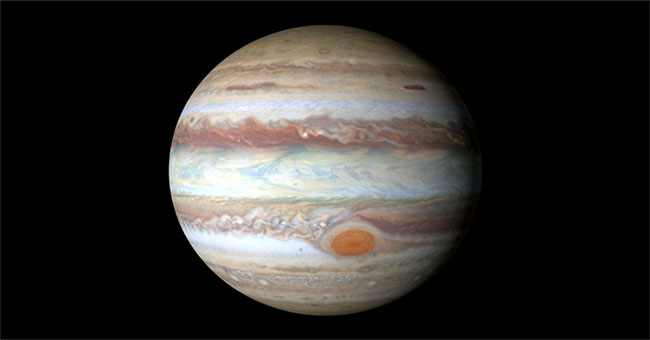
Jupiter or Jupiter is the fifth planet from the Sun and is the largest planet in the Solar System.
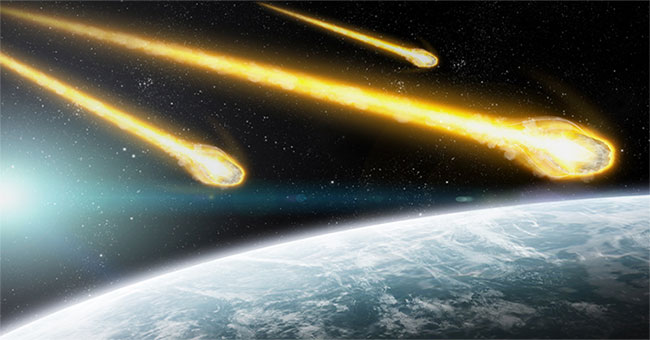
Our planet is once again blessed with these three asteroids, according to the US Aeronautics and Space Agency (NASA), just grazing near the earth and not in danger.
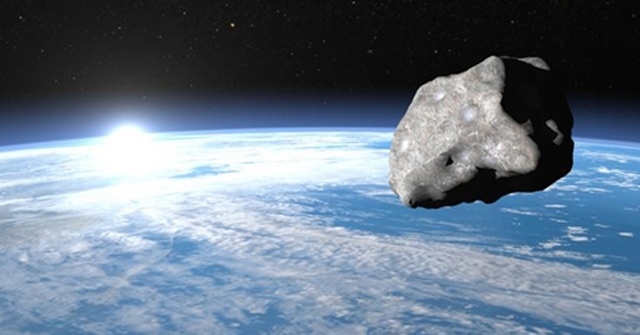
Asteroid 2018 VX1 is expected to reach at a distance of 381,400 km and is not dangerous to the green planet.
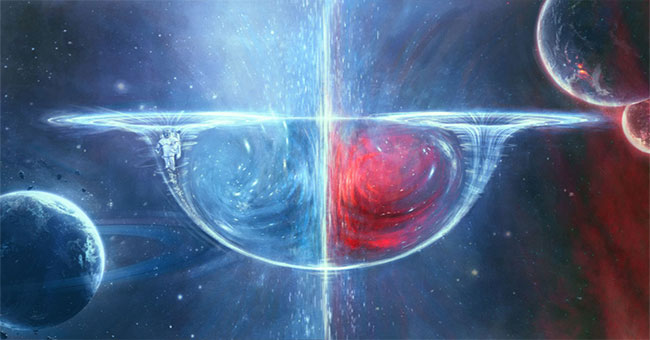
Hawking said that time travel would be a reality, but he was also aware of something extremely important.

According to National Geographic magazine, our Earth may not only have one
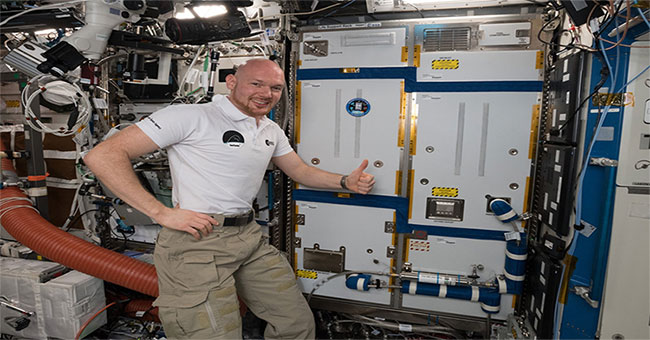
This system is an extremely important step towards the life support system of the crew in future long-term missions.
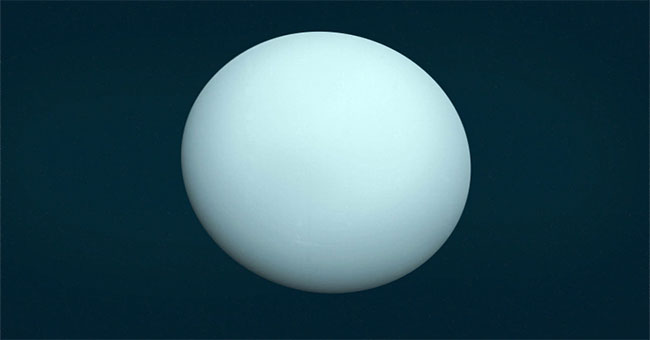
Uranus is the seventh planet from the Sun; is the third largest and fourth largest planet in the system.
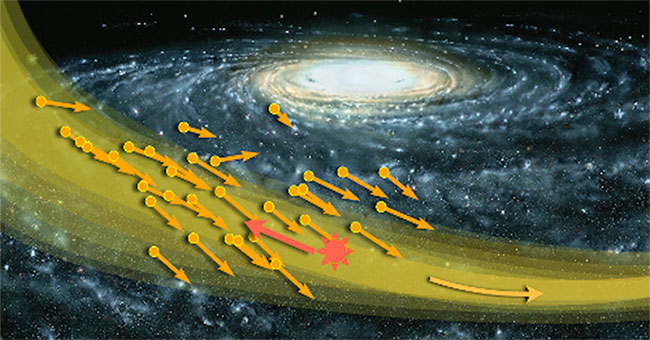
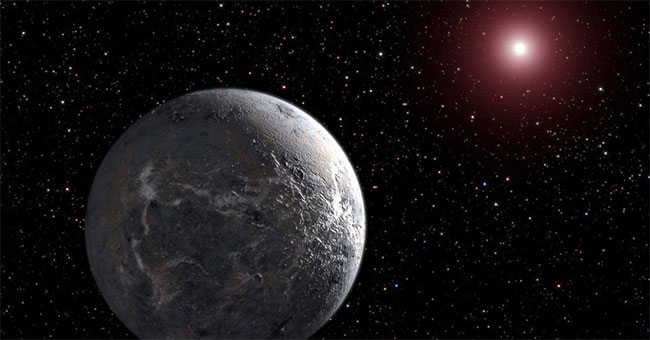
Scientists found that a super-Earth rotating around a red dwarf Barnard is only 6 light-years away from the solar system.
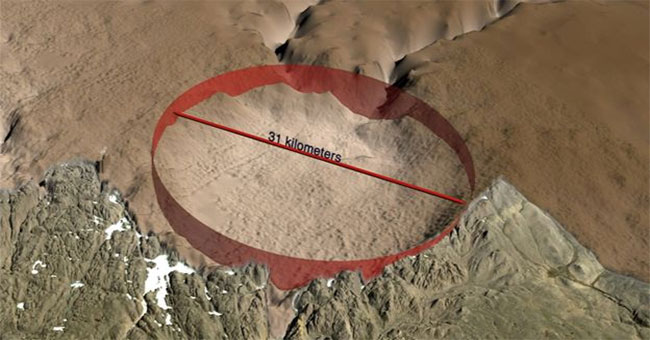
Scientists estimate that meteorites can be composed mostly of iron, about 1.5 km in diameter and weigh about 12 tons.
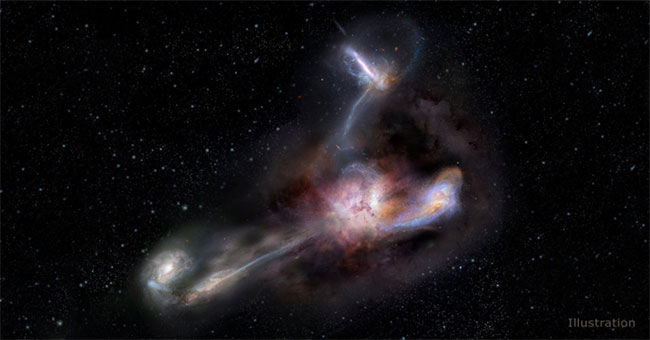
Galaxy W2246-0526 is 350 trillion times more massive than the Sun is absorbing matter from smaller galaxies around it as fuel.