Space science
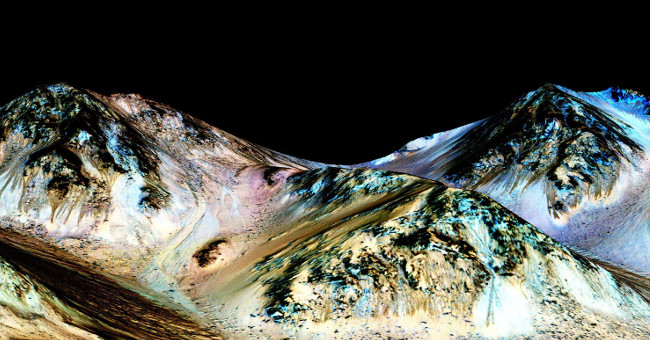
Traces of liquid water flowing on Mars may be inaccurate
Dark lines on Mars are merely a sign of flowing sand or dust in an article published in the November 20 issue of Nature Geoscience.
Explore astronomy, NASA missions, planets, galaxies, the Moon, the Solar System and discoveries that expand our understanding of the universe.
8,681 published items in this category and its subcategories.
Dark lines on Mars are merely a sign of flowing sand or dust in an article published in the November 20 issue of Nature Geoscience.
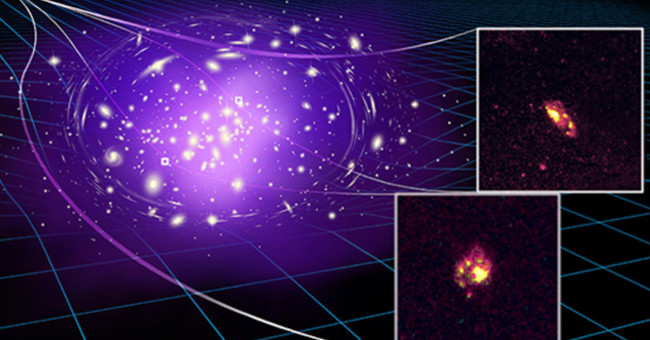
This is the oldest galaxy ever discovered, formed only 2.6 billion years after the Big Bang. The results are published in Cornell University's online library, USA, on Oc…
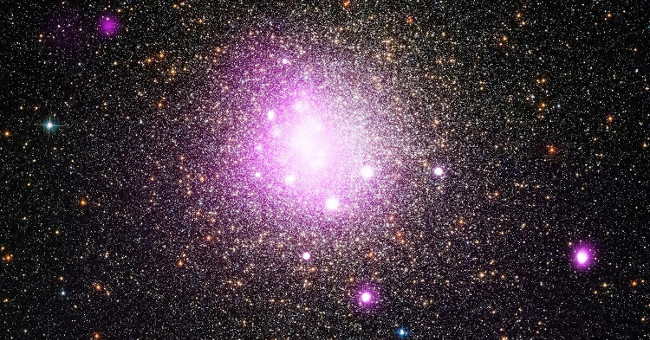
Black holes can tear up a white dwarf star, creating high-energy cosmic rays and neutrinos rushing towards Earth.

In 1770, East Asia, including some countries such as Japan, South Korea, North Korea and the east coast of China, happened to have the sky dyed red for days.
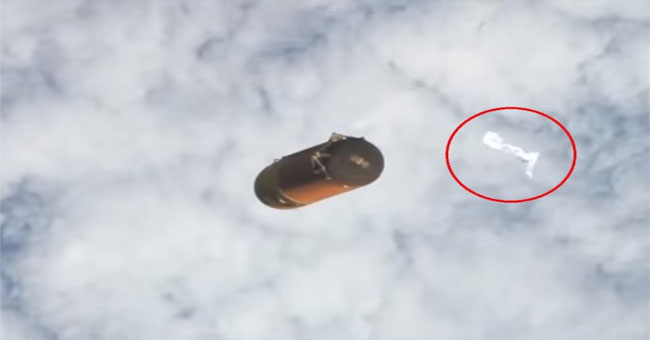
According to Mirror, UFO hunters (unidentified flying objects) have just reopened a video posted on their official YouTube by the US Aeronautics Agency (NASA) many years…

Named after a Nordic mythical city, Asgardia is open to all residents on Earth and is completely free.
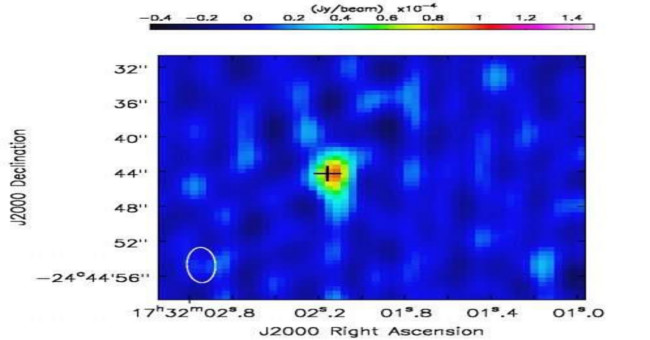
A strange source that emits gravitational waves in the universe receives the attention of the scientific community.
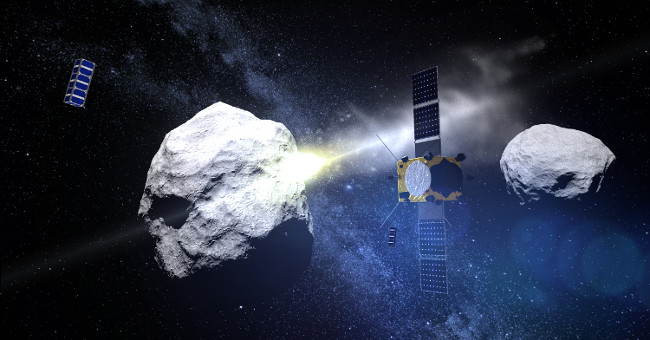
Currently, no weapon is strong enough to destroy an asteroid when detected in a short time, according to RT.
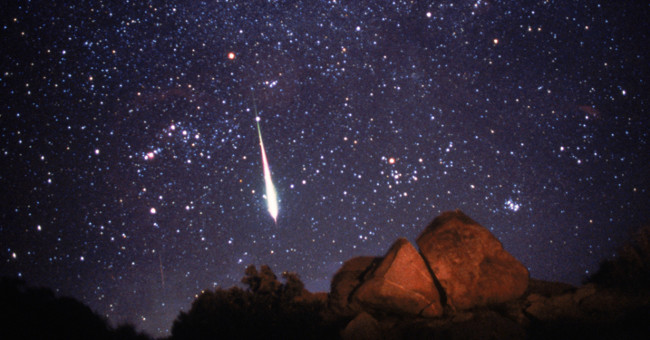
The meteor shower with many relatively bright supernovae, Leonids (Lion), will reach its maximum on the night of 17th and 18 November.
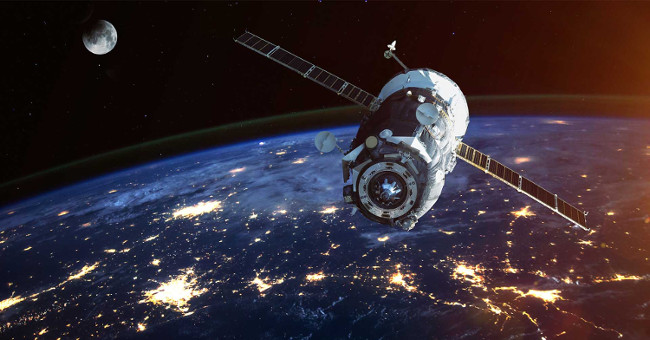
Based on detailed calculations, scientists believe that the risk of Thien Cung 1 falling down causes injury to very small people.
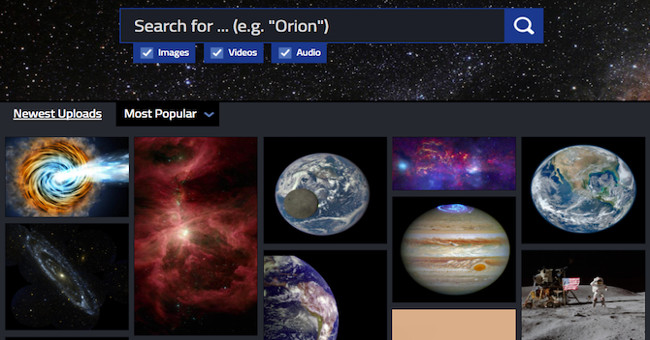
People with special interest in these scientific studies should probably not ignore the five interesting sites below as suggested by MakeUseOf.
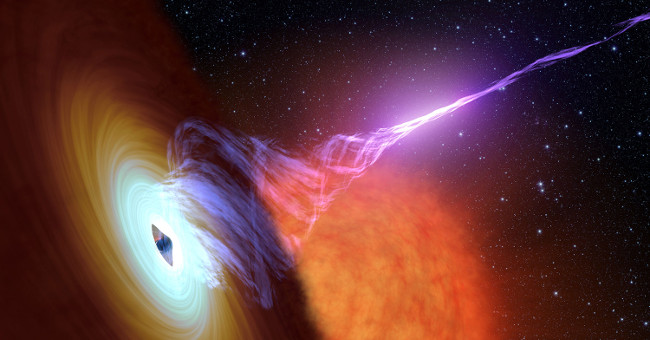
More unexpected detection involves black hole nozzles appearing in space.
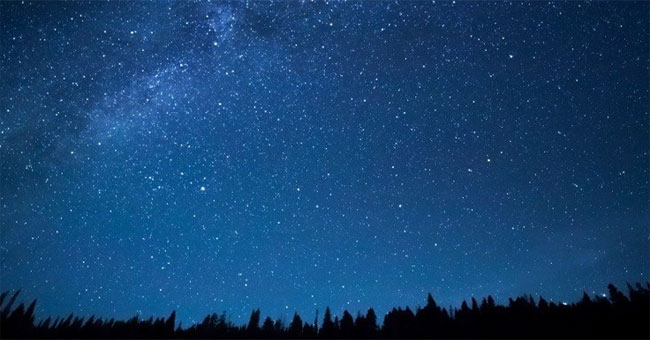
The summer is coming, and the big planets like Jupiter and Saturn will give the sky observers the evening the wonderful scenes.
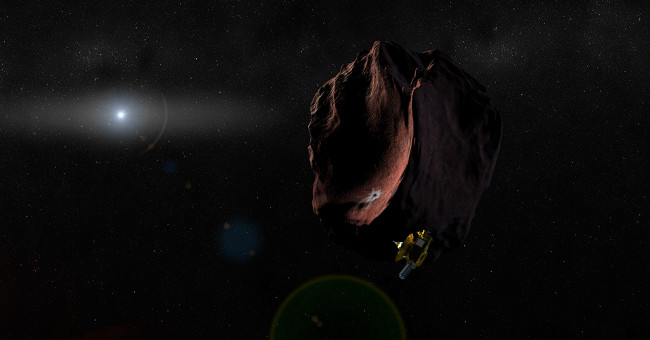
NASA's New Horizons spacecraft arrived in Pluto in 2015, will continue its journey to 2014 MU 69 in early 2019.