Space science
Go anywhere on Earth within 60 minutes with Elon Musk's rocket
Who would not want to fly from one location to another from 30 minutes to 60 minutes?
Explore astronomy, NASA missions, planets, galaxies, the Moon, the Solar System and discoveries that expand our understanding of the universe.
8,698 published items in this category and its subcategories.
Who would not want to fly from one location to another from 30 minutes to 60 minutes?
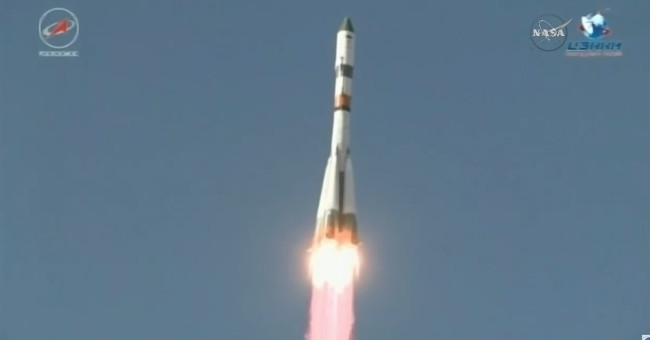
On October 14, Russia launched a unmanned transport ship Progress MS-07, carrying supplies for the International Space Station (ISS).
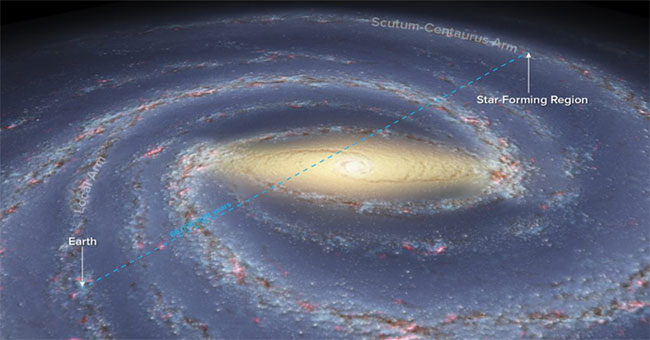
Scientists had a more precise idea to measure the distance to celestial bodies on the other side of the Milky Way than the Earth.
Since its founding in 1958, NASA has always been one of the pioneers in the field of space exploration.
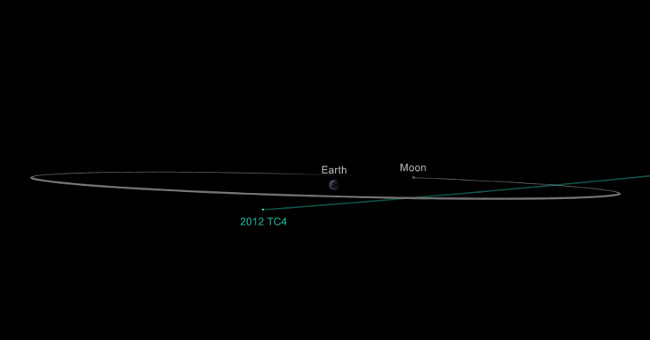
Although asteroids do not hit Earth this time, experts warn us that we may not be so lucky in the future.
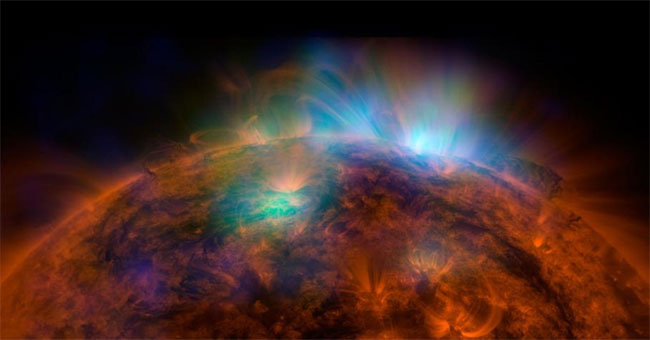
It takes 8 minutes for sunlight from the Sun to reach Earth, but scientists only need less time to solve this star's paradoxical paradox.
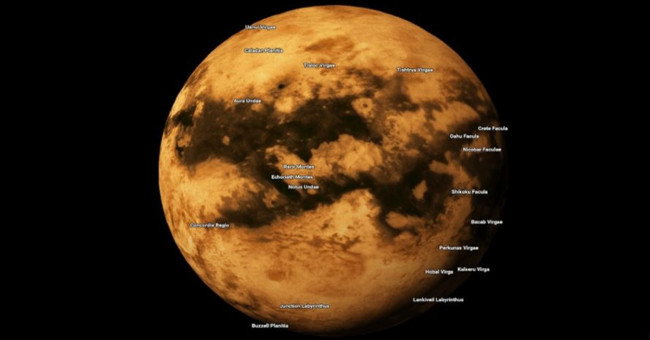
Not only that, the world's leading technology company has added 12 other planets in the Solar System to users to explore freely.
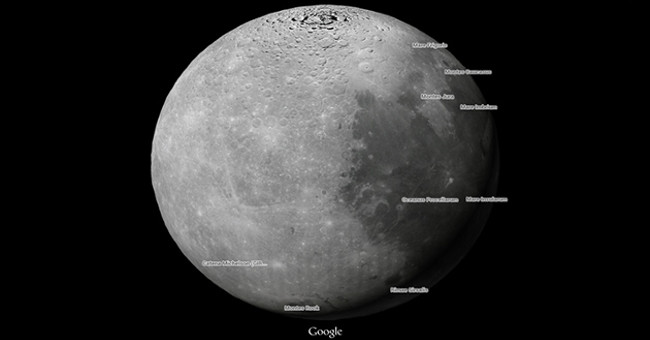
This is not the first time Google has integrated an interesting feature into Maps, and it is not right to deny Google indifference to the cosmic problem.
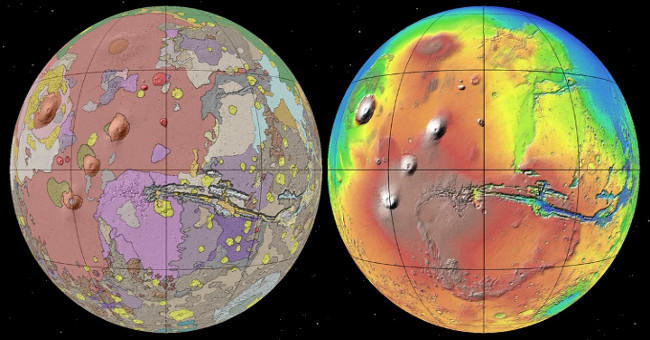
The US Geological Survey recently published the latest Mars map, which can provide important research information for future red planet exploration programs.
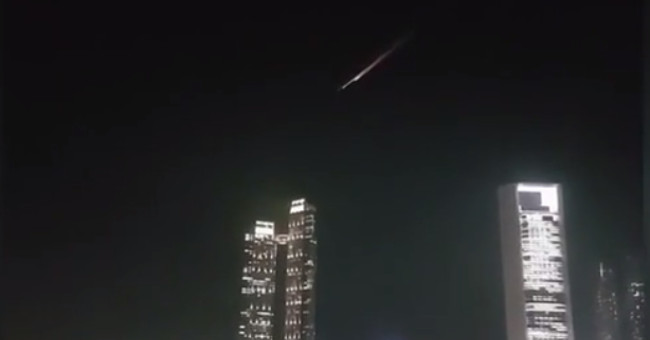
The Russian wreck caught fire in the sky of Dubai, causing many people to fear that it was the Chinese space station falling to Earth.

The following article will give you the knowledge of the Kuiper belt in the Solar System, would you please consult?
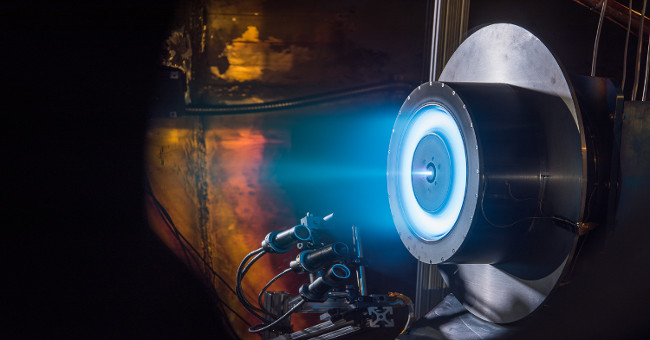
Co-developed by researchers at the University of Michigan and the US Air Force, the X3 is an ion-fueled engine designed to propel spacecraft.
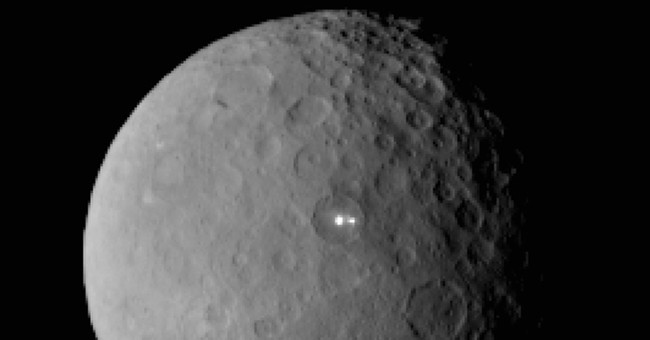
This dwarf planet was discovered by Giuseppe Piazzi on January 1, 1801 and named after the Greek goddess Ceres.
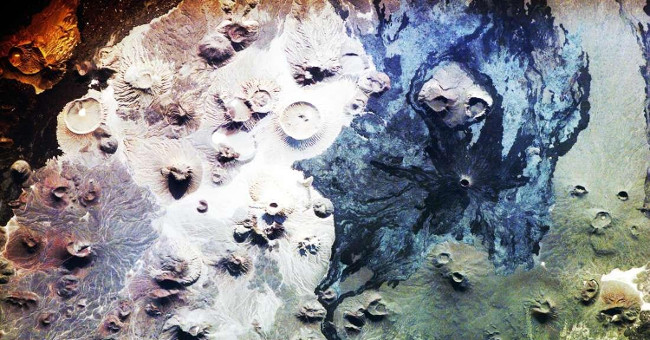
Nearly 400 stone works dating back thousands of years were discovered in Saudi Arabia. Some of these wall-like structures are lined along long-standing lava arches.
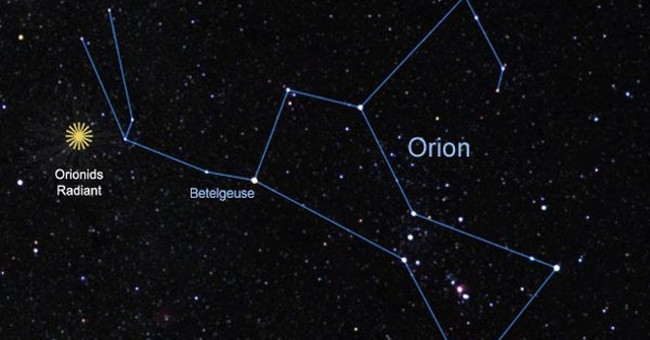
This year, if the weather permits, we will be able to see many long and bright shooting stars with a density of about 20 meteors per hour.