
Space science
Astronomy with new fields: Dark matter
Astronomers have for the first time drawn a map of dark matter with the widest scale ever observed. Their findings reveal a complex cosmic grid of dark matter and galaxi…
Explore astronomy, NASA missions, planets, galaxies, the Moon, the Solar System and discoveries that expand our understanding of the universe.
8,681 published items in this category and its subcategories.
Astronomers have for the first time drawn a map of dark matter with the widest scale ever observed. Their findings reveal a complex cosmic grid of dark matter and galaxi…

A NASA photographer captured a very unique scene, the International Space Station flew past the Moon. The special thing is that the picture was taken entirely with a nor…
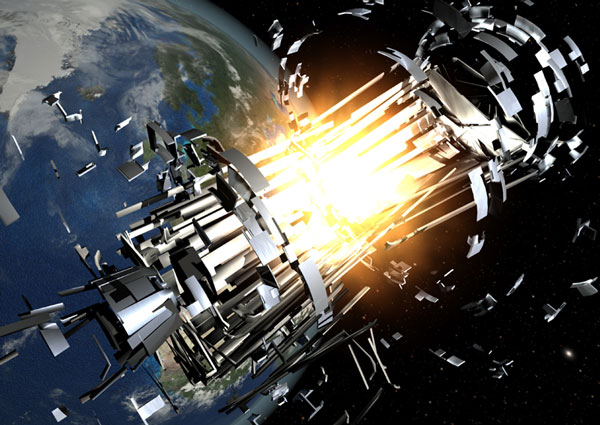
The International Year of Astronautics (2011) has just ended, experts in the universe evaluate that the amount of garbage on orbit near Earth has reached an alarming lev…

Officially called ACT-CL J0102-4915, the researchers discovered that this cluster of galaxies gave it the nickname
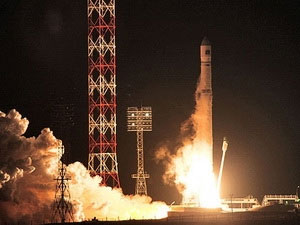
On January 11, the Russian Federal Aeronautics Agency Roscosmos announced the debris of the Phobos-Grunt Automatic Interplanetary Station to probe Mars could fall to the…
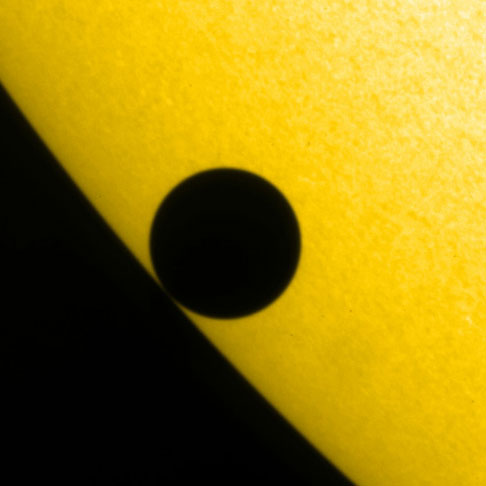
In June astronomers will have the opportunity to admire the sight of Venus gliding across the sun. The same event will only happen after more than a century.
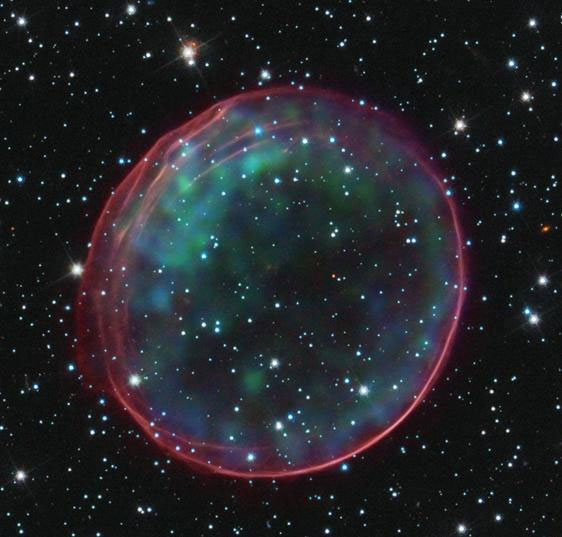
With the Hubble Space Telescope, astronomers have lifted the long-standing mysterious veil of a star form, or its predecessor, to cause a supernova explosion in a galaxy…
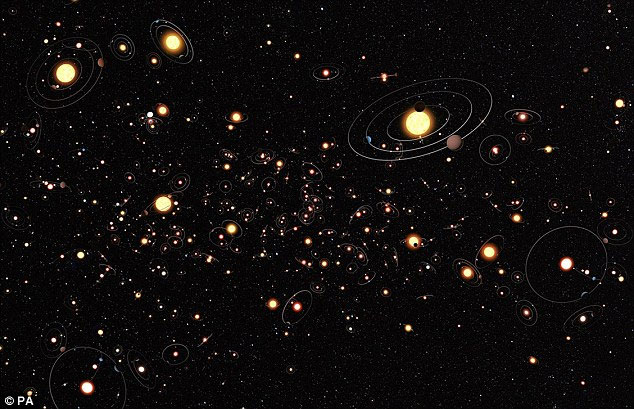
Up to 10 billion stars in the Milky Way have satellites orbiting in an orbit suitable for life.
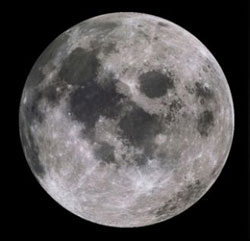
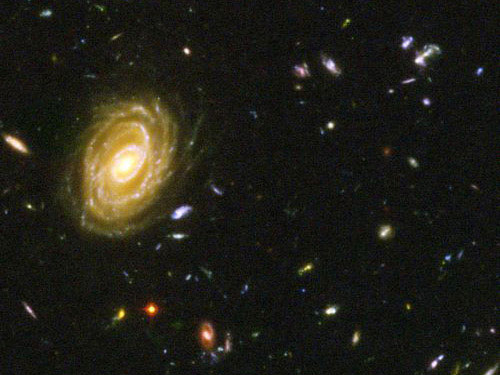
One of the farthest galaxies that scientists are studying is speed
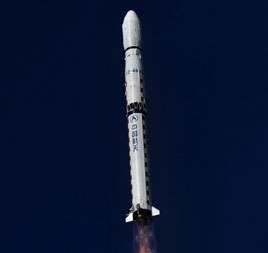
China has successfully launched the remote touch satellite Ziyuan I-02c from the Taiyuan Satellite Launch Center, north of Shanxi Province.
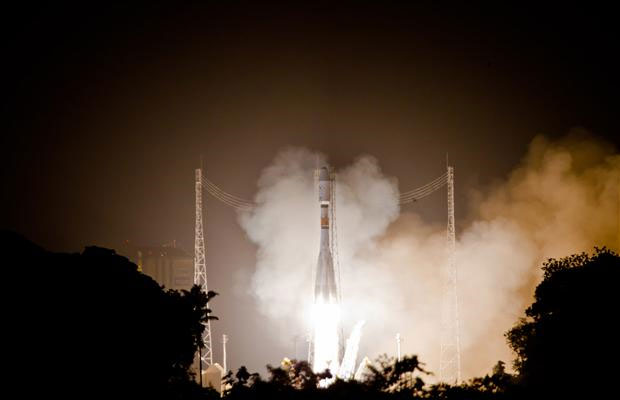
A Russian telecommunications satellite exploded and fell only a few minutes after being launched by the Soyuz rocket.
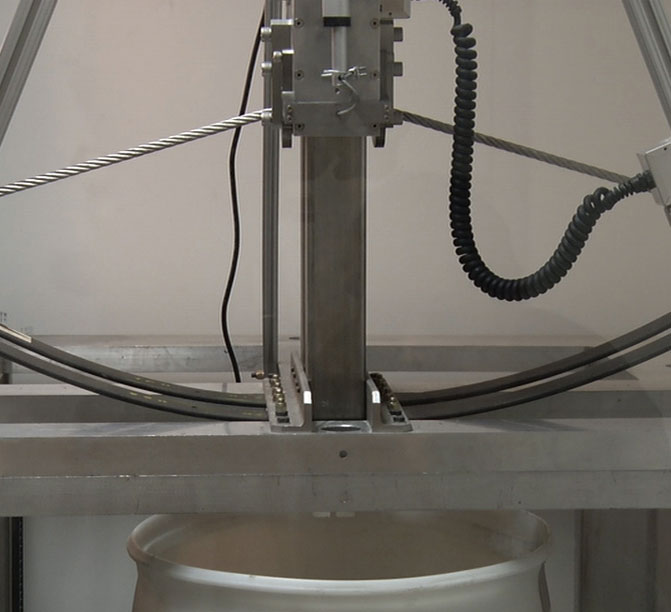
NASA's Goddard Space Center is designing small

The ruins of the two planets following the dying central star, 3,900 light-years ago, provide the clearest view for astronomers about the future of the solar system in a…

The Proton-M rocket will bring SES-4 satellites, the largest and most powerful satellite among SES satellites into orbit.