Space science
The water on the Moon comes from a comet
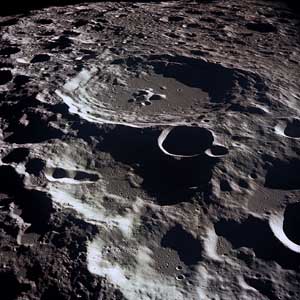
The latest research by US scientists discovered water on the Moon mostly from comets.
Explore astronomy, NASA missions, planets, galaxies, the Moon, the Solar System and discoveries that expand our understanding of the universe.
8,698 published items in this category and its subcategories.
The latest research by US scientists discovered water on the Moon mostly from comets.
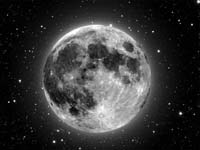
Scientists from the US Aeronautics Agency (NASA) found the Moon also has a liquid-like core like the Earth.
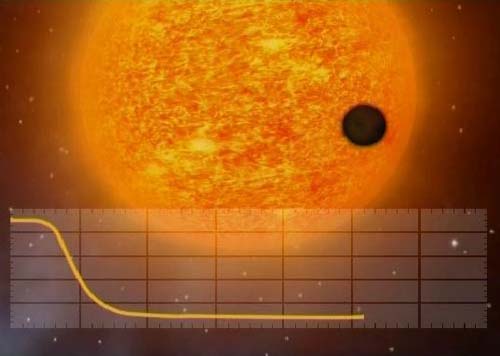
The first iron-clad evidence of a rocky planet outside the solar system was found using the Kepler Space Telescope.
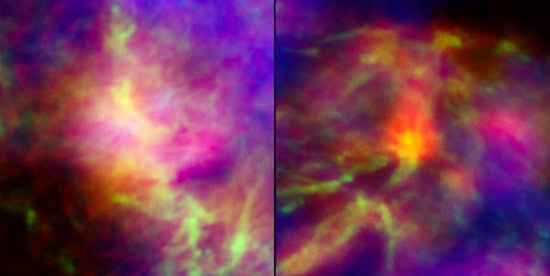
The strange mist in the Milky Way made the scientific world a headache for decades as a swirling dust cloud at a rate of more than ten billion times per second.
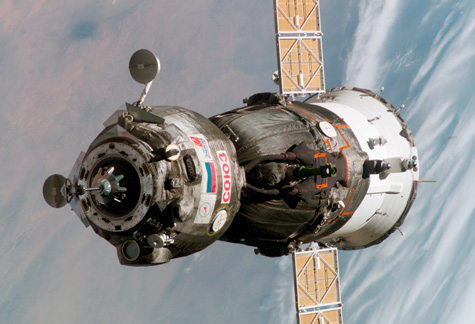
Russia will reopen flights for space tourists with the Soyuz train in 2013.
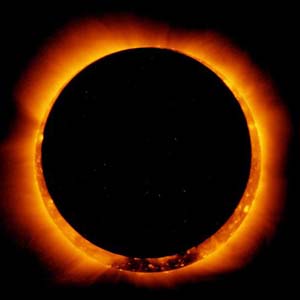
The sight of the moon covered the sun, creating something like a giant ring of fire as one of the impressive astronomical images appearing on newspapers this week.
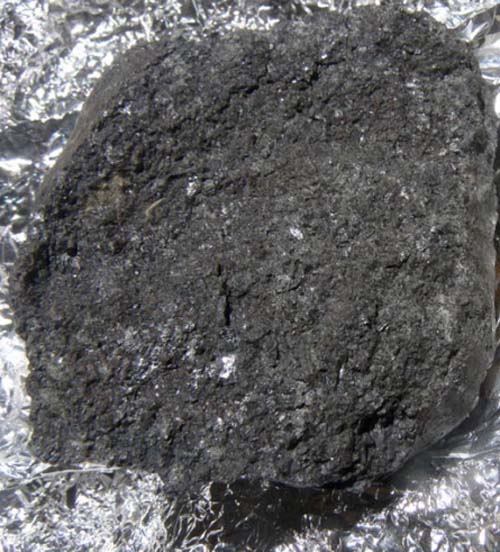
Scientist Peter Jenniskens is approaching one of the meteorites in the Nubian desert of Sudan
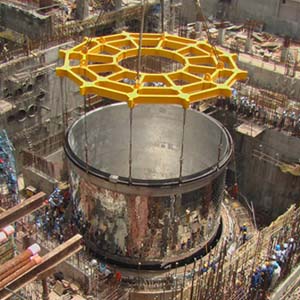
China has not been able to apply a technology to recycle nuclear fuel that has been used on a large scale, a senior expert from the International Atomic Energy Agency (I…
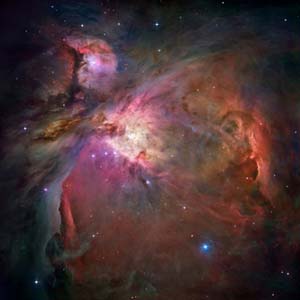
An article published in Discovery Magazine has revealed that NASA's recently released Saturn photos have been processed in photoshop.
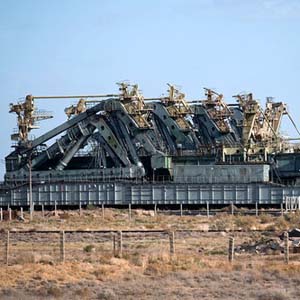
In the mid-1970s, the Soviet Union implemented the Buran program - a program in response to NASA's shuttle program at the time.
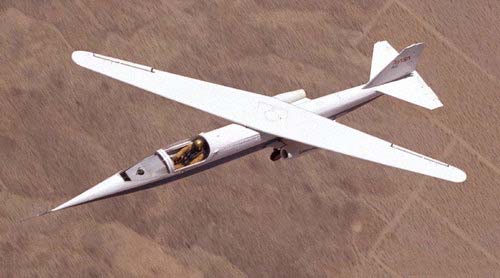
AD-1 is an aircraft that can rotate its wings at an angle of 60 degrees in the air. The aircraft was built in the 1970s of the last century.
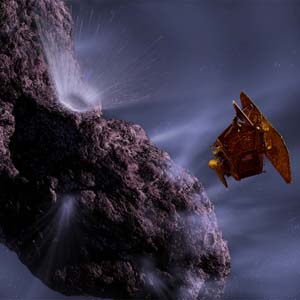
Like two monks in the dark, an American spacecraft and a comet will rush towards each other on Valentine's Day, the US Aerospace Agency (NASA) announces.

The process of dismantling an old nuclear power plant in Germany took place over 16 years and
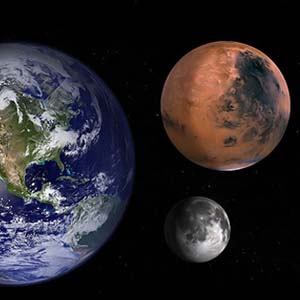
Welsh scientists, England had the idea of medieval technical reference to create cosmic techniques to make future missions more convenient to Mars.
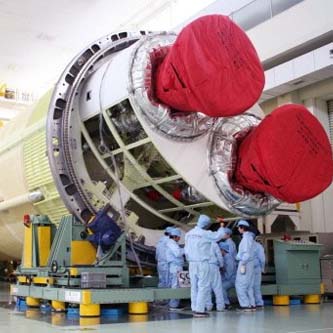
On January 22, Japan successfully launched unmanned transport spacecraft HTV2 to bring goods to the International Space Station (ISS).