Space science
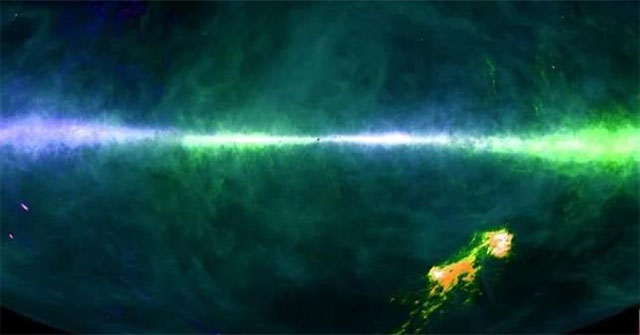
The galaxy containing the Earth is punctured: The culprit causes shivers!
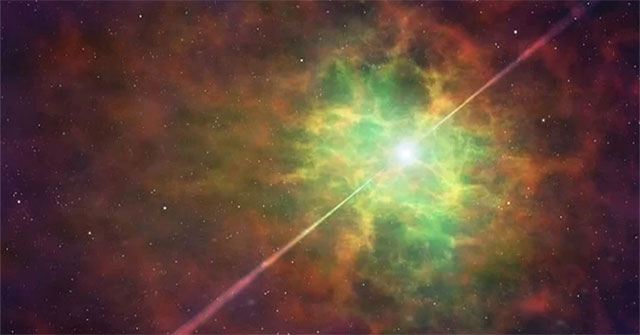
A new study has revealed mysterious, non-matter voids in the galaxy containing the Earth's Milky Way, caused by some of the deadliest events in the universe.
Explore astronomy, NASA missions, planets, galaxies, the Moon, the Solar System and discoveries that expand our understanding of the universe.
8,698 published items in this category and its subcategories.
A new study has revealed mysterious, non-matter voids in the galaxy containing the Earth's Milky Way, caused by some of the deadliest events in the universe.
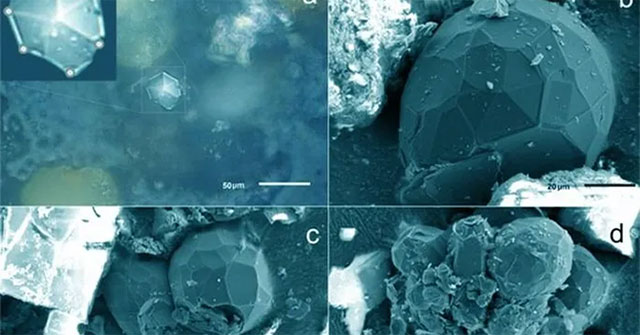
German scientists have found bizarre carbon microcrystals in the famous Chelyabinsk meteorite that crashed into Russia in 2013.
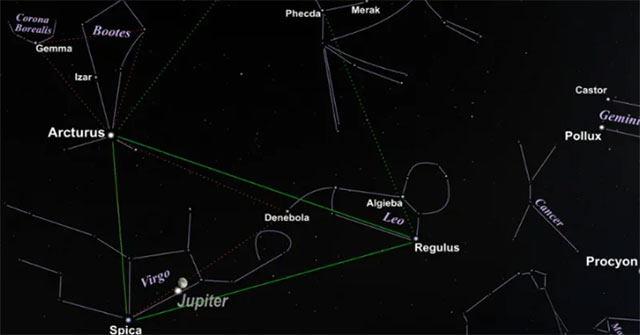
There are many stars visible in the night sky, but over the centuries astronomers have devised a unique way to recognize them.
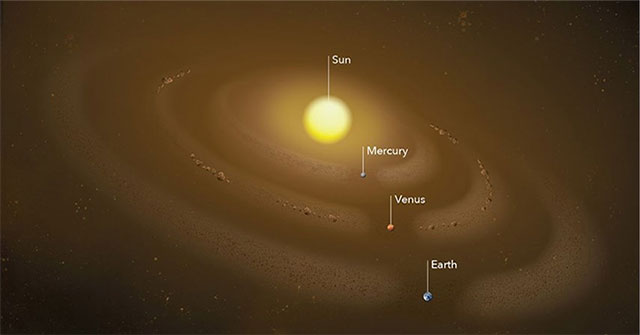
The universe is a vast and immutable outer space, containing mysteries that humans have never approached. In the Solar System, a series of open questions are still causi…
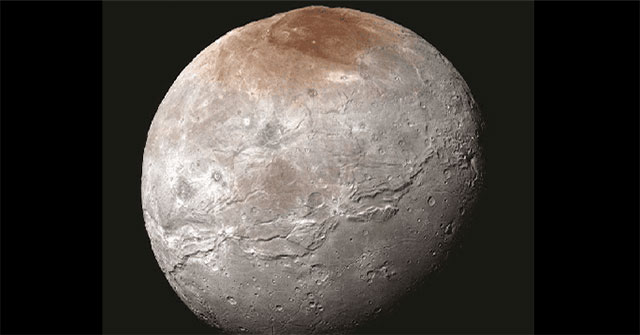
Scientists have found out why the North Pole Charon - Pluto's moon - is tinged with a ghostly red-brown color.
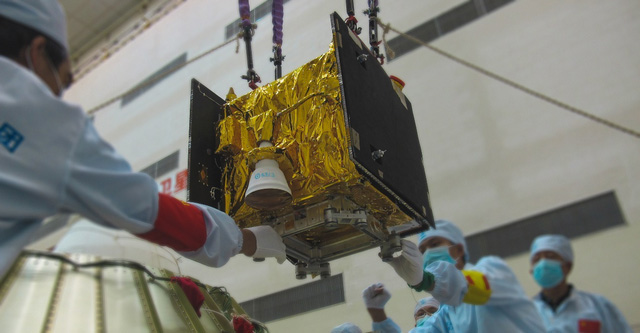
The success of China's equipment shows the potential for big data mining in private companies.
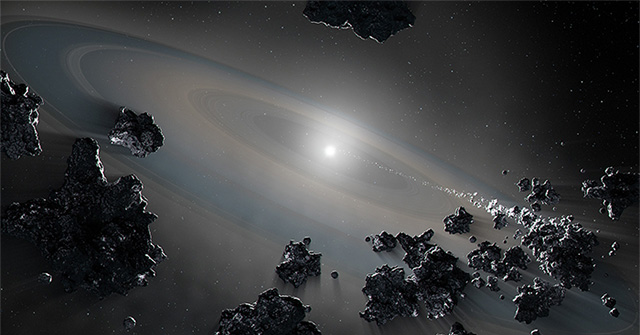
A world located 86 light-years away has provided a window of time for scientists to predict Earth's future.
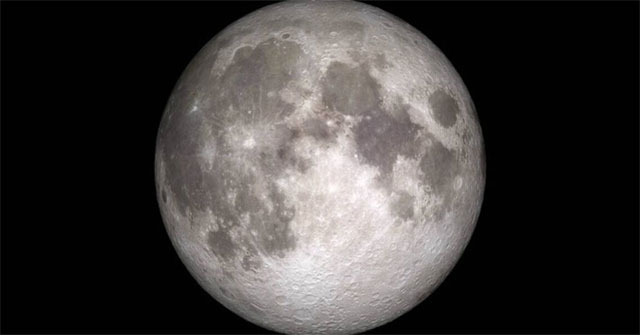
Space travel is clearly for astronauts and later for the super rich, but NASA has devised a way for ordinary people to also
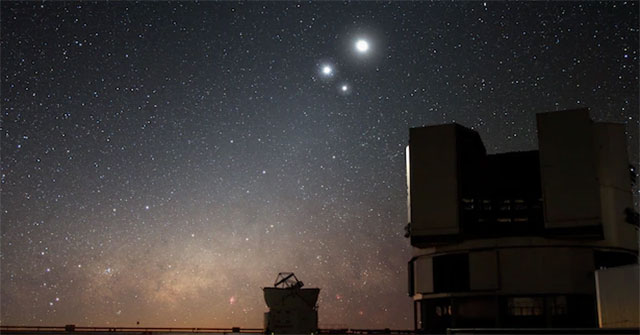
Seven planets including Venus, Jupiter, Mercury, Mars, Saturn, Uranus, Neptune and the Moon will be together.

A famous alien object could disrupt current planetary formation theories, rewriting Earth's early history.
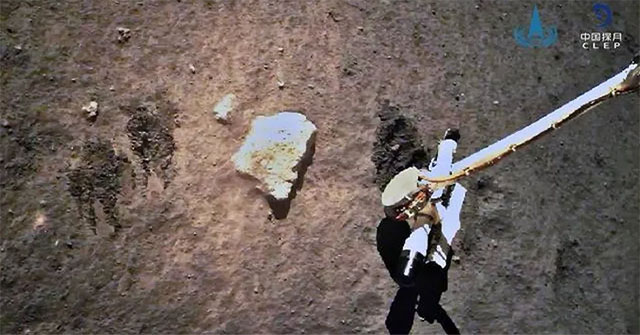
Confirmed by testing on Earth, Chinese scientists report signs that water exists in rocks collected by the Chang'e 5 lander on the Moon.

If successful, solar power stations in space can operate continuously regardless of day and night or weather conditions.
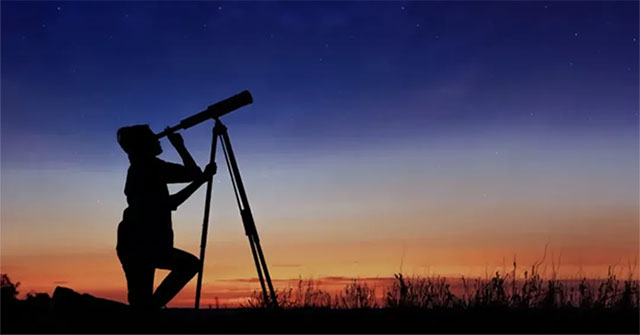
Unlike what we often hear in sci-fi movies, the universe doesn't actually have a center.
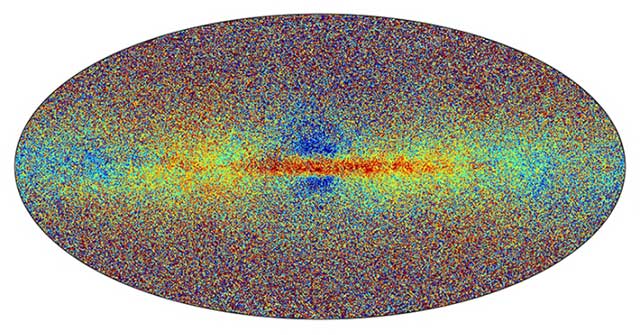
The European Space Agency has released a dataset collected by the Gaia Space Observatory, showing many characteristics of large numbers of stars.
A new member of a rare class of stars, known only in very limited numbers, has been discovered in the Milky Way.