Space science
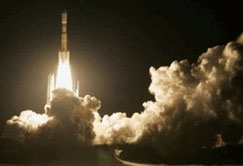
Japan launched unmanned spacecraft
At 2 am September 11 (local time), Japan successfully launched the H-2B missile from Tanegashima Space Center in Kagoshima Prefecture, carrying the country's first unman…
Explore astronomy, NASA missions, planets, galaxies, the Moon, the Solar System and discoveries that expand our understanding of the universe.
8,698 published items in this category and its subcategories.
At 2 am September 11 (local time), Japan successfully launched the H-2B missile from Tanegashima Space Center in Kagoshima Prefecture, carrying the country's first unman…
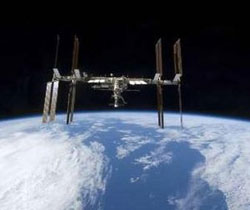
The US Aerospace Agency (NASA) decided to let Space Shuttle Discovery dodge the orbit of a piece of cosmic trash before it returned to Earth.
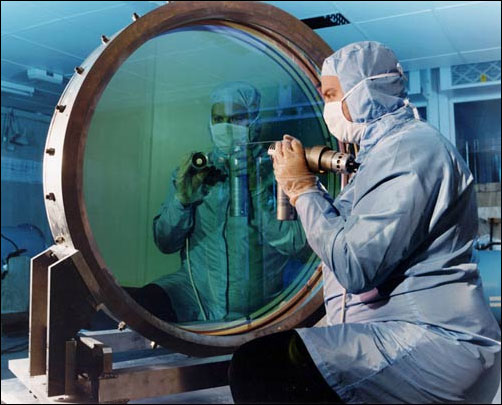
A group of international scientists headed by Oxford University have looked at the dense and hot mass in the center of the planets ...
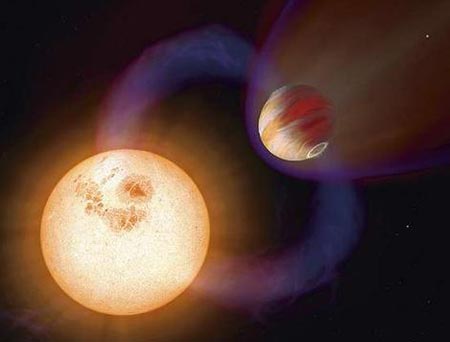
Astronomers in the UK have found the first planet to turn against its own star. The star forms when a cloud of dust and gas shrinks, causing its own mass to increase
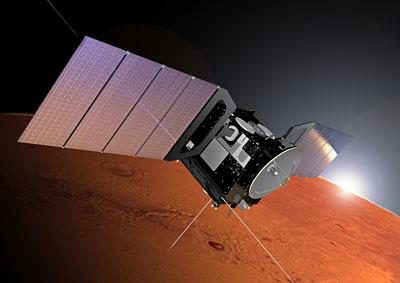
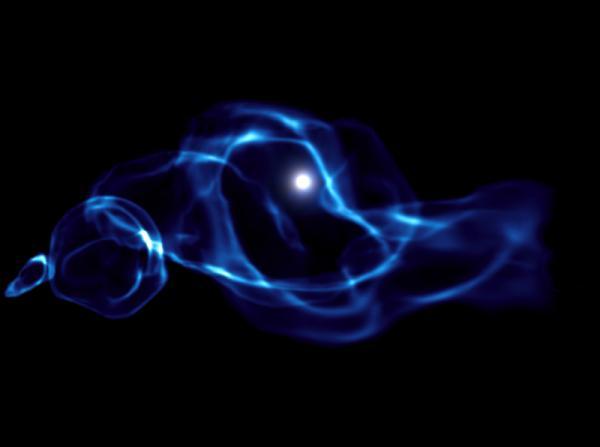
The first black holes in the universe have a huge impact on their surroundings despite the fact that they are small and grow very slowly, following new supercomputer mod…
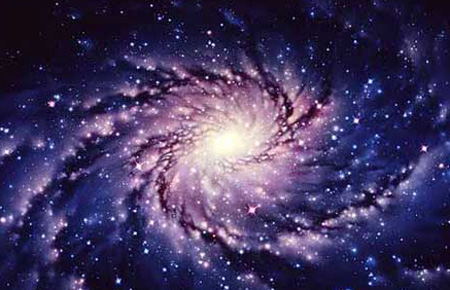
Two scientists from the University of California (USA) - judged that the gravitational force from a galaxy causes disturbances in the Milky Way's disk of dust.
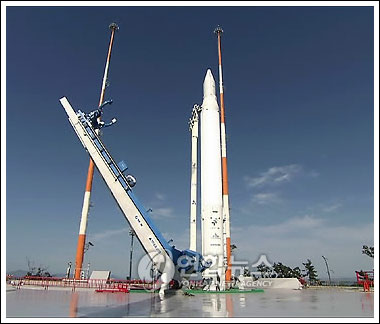
South Korea today will launch its first satellite into orbit, just four months after the North's similar action.
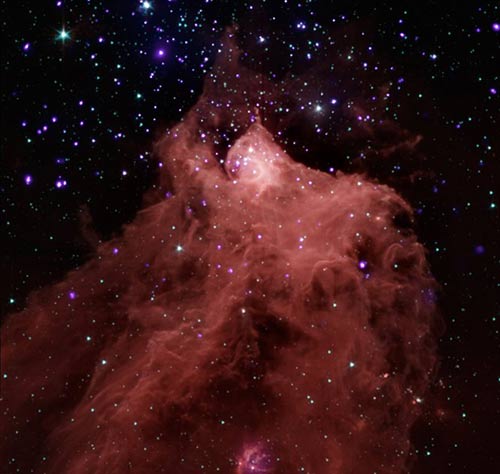
A new study by two NASA observatories provides new knowledge about star formation, along with a very beautiful picture of a star-forming region in our galaxy.
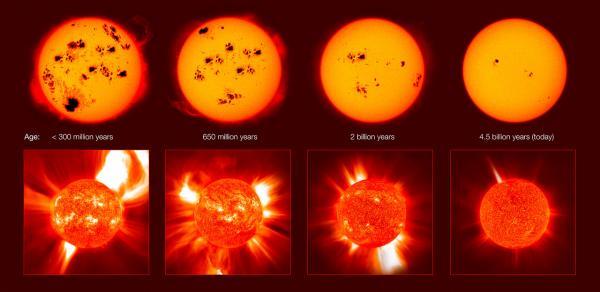
One of the hottest topics in the 27th joint study of the International Astronomical Society (IAU) in Rio de Janeiro, Brazil includes studying astronomical conditions sui…
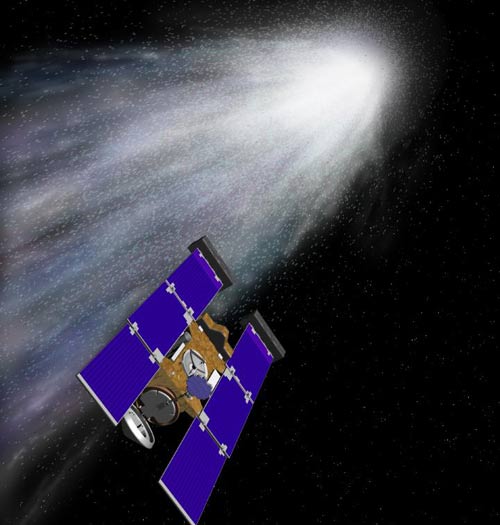
Scientists have found a basic compound of life in meteorite dust. This is the latest evidence of the possibility of living organisms outside the Earth.
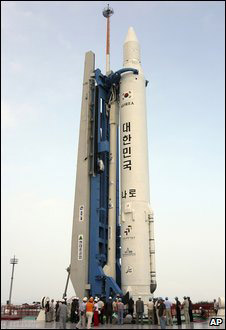
On the afternoon of August 19, South Korea continued to postpone the country's first rocket launch, KSLV-1, only 7 minutes 56 seconds before the scheduled launch time.
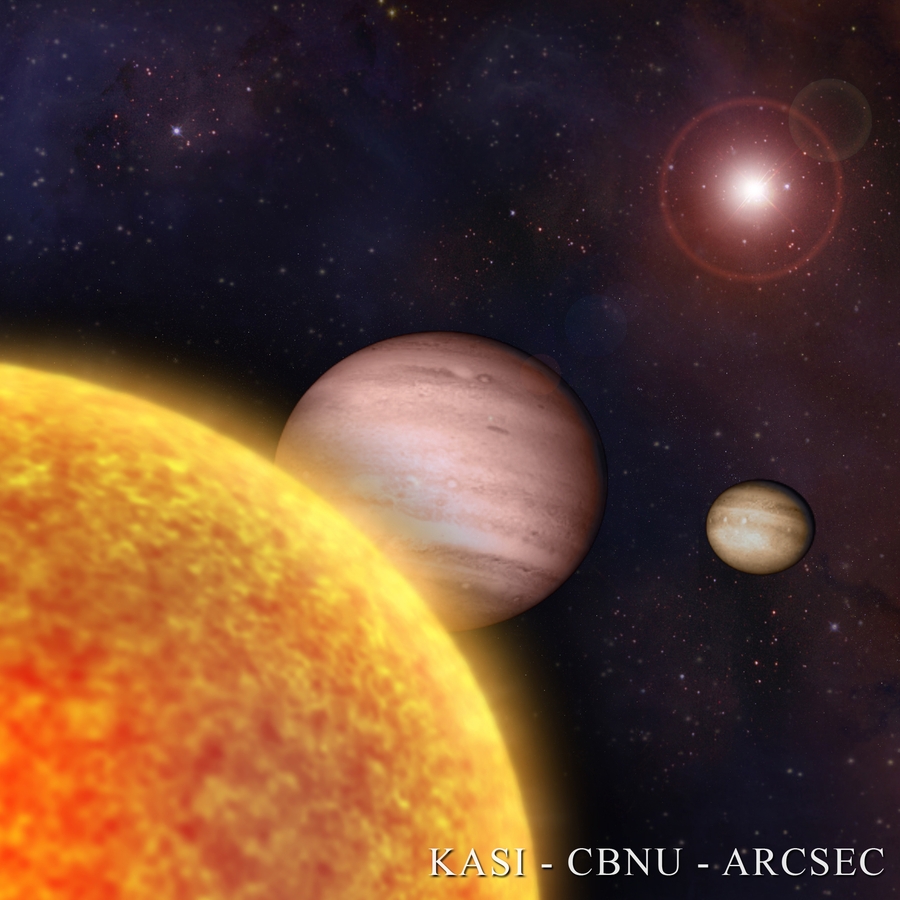
A group of scientists has discovered a new planet that moves abnormally around its host star. The planet is called WASP-17 and revolves around a star located 1,000 light…
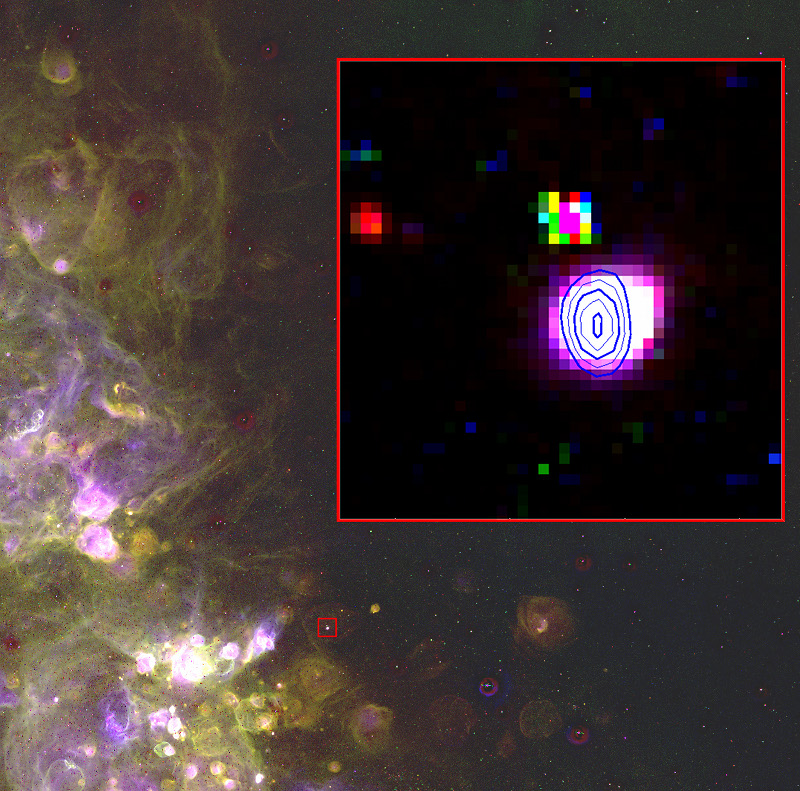
A group of scientists in Australia and the United States, led by Professor Miroslav Filipović from the University of Western Sydney, discovered a new class of objects ca…
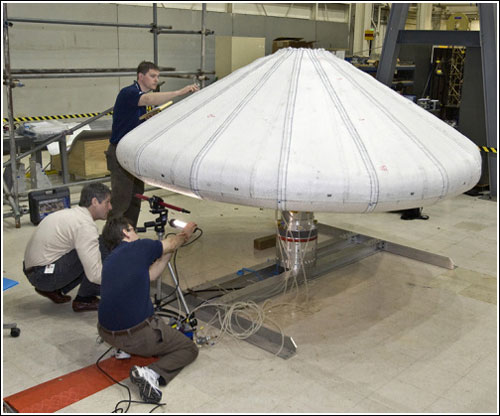
The US aviation agency has recently successfully researched a type of thermal insulation for gas-powered spacecraft, hoping to slightly reduce the weight of future space…