Space science
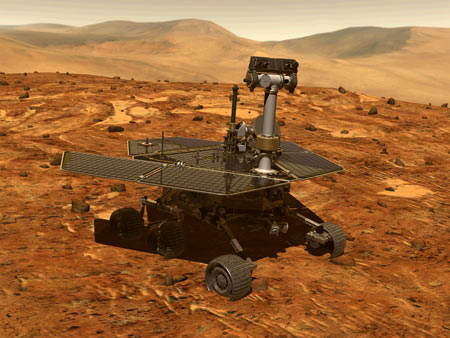
New hypothesis about the red of Mars
A new hypothesis suggests that Mars is not always red and explains why the planet is so red.
Explore astronomy, NASA missions, planets, galaxies, the Moon, the Solar System and discoveries that expand our understanding of the universe.
8,698 published items in this category and its subcategories.
A new hypothesis suggests that Mars is not always red and explains why the planet is so red.

Buzz Lightyear, the toy star in Disney's Toy Story, returned to Earth after 15 months of exploding stars, setting the record for the longest space astronaut ever.
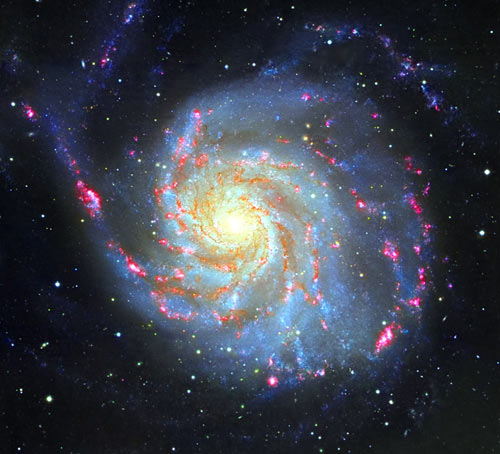
The Isaac Newton Telescope telescope in La Palma, Spain recently captured the latest image of Pinwheel Galaxy.
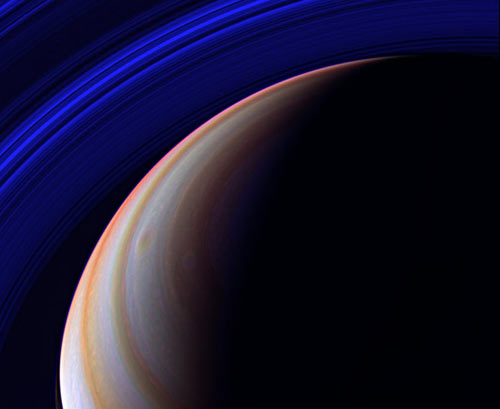
A lightning storm is 3,000 km wide with 10,000 times stronger lightning than Earth's hurricanes. Operating for the past 8 months in Saturn, the lightning storm recorded…
India successfully launched PSLV-C 14 boosters from the satellite launch center in the southern state of Andha Pradesh.
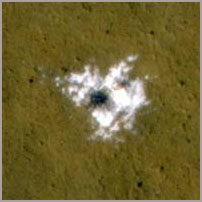
An American spacecraft found evidence of ice on Mars. This is a sign that the red planet can nourish life.
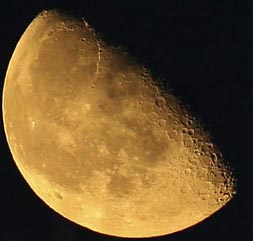
Chinese scientists have just announced that they have completed the most obvious 3-dimensional (3D) digital topographic map in the world today.

Canadian billionaire Guy Laliberte and two astronauts left the Baikonur space center by Russian ship today to enter space.
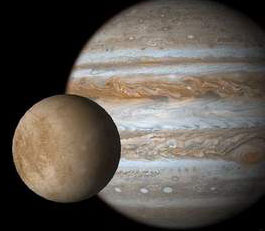
60 years ago, Jupiter used to force a comet to fly around it with tremendous attraction. This reluctant satellite only obeys the giant for 12 years and escapes.
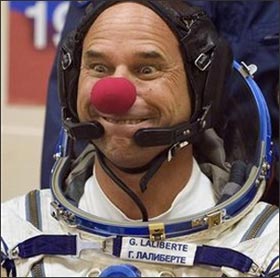
On October 2, Canadian billionaire Guy Laliberte visited the International Space Station after two days of traveling in space, laughing at his companions.
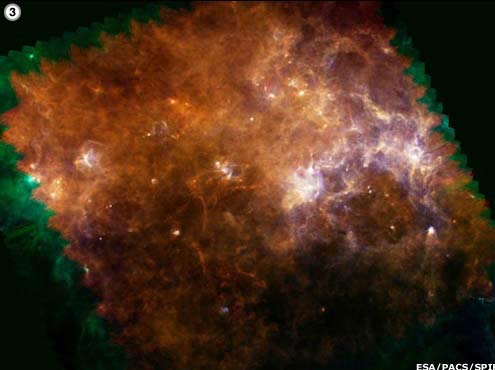
After striking images of the Milky Way, Herschel Observatory intends to conduct a larger study thanks to two Spire - Pacs devices, but the plan is slowing down because s…
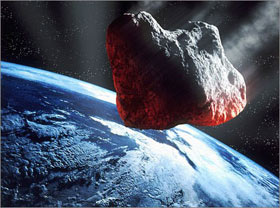
According to Radio Voice of Russia on October 5, at the Applied Astronomical Institute of the Russian Academy of Sciences in St. Petersburg. The International Conference…
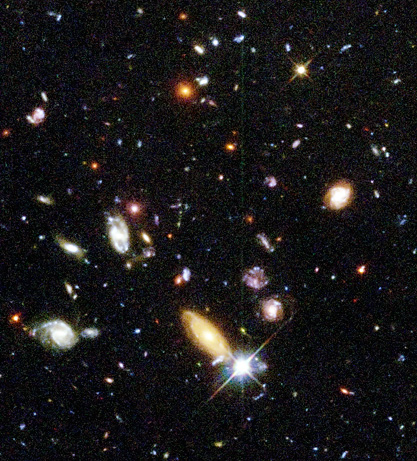
Dark energy, the mysterious resource that came out more than a decade ago to explain why the universe is separating at a faster rate, is no longer needed.
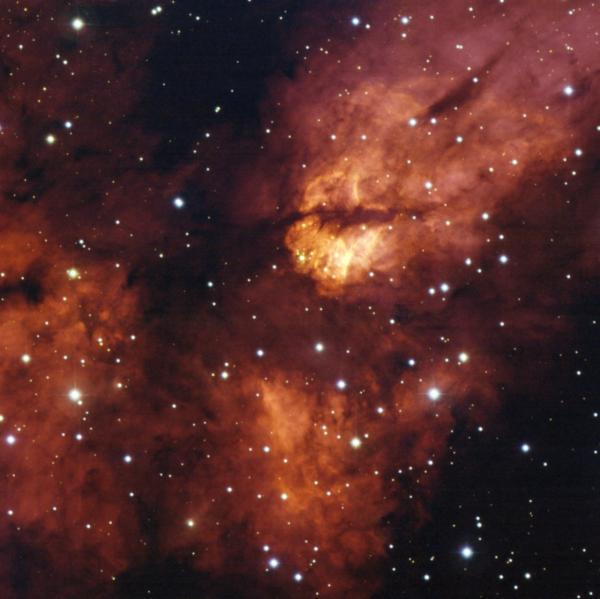
ESO recently published a series of central shots of a cosmic cloud called RCW 38, along with the newly created stars and planetary systems.
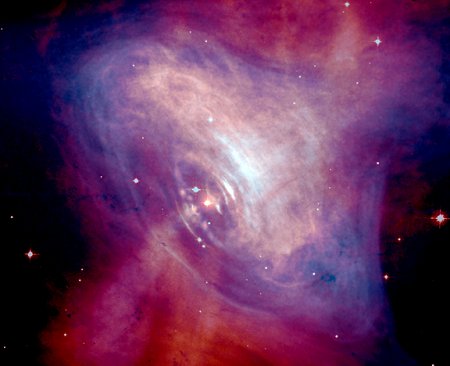
About 10 years ago the Columbia spacecraft launched with the astronomers' hopes and dreams - Chandra X-ray Observatory