
Space science
Clouds glow in the night
Astronomers in the northern hemisphere just took the first photos of glowing clouds at night last week.
Explore astronomy, NASA missions, planets, galaxies, the Moon, the Solar System and discoveries that expand our understanding of the universe.
8,698 published items in this category and its subcategories.
Astronomers in the northern hemisphere just took the first photos of glowing clouds at night last week.

Atlantis space shuttle yesterday began its journey back to the base in Florida. Bad weather did not allow it to land here after completing the mission in orbit and had t…
People always wonder where our earth is, our galaxy comes from. A group of scientists recently reached a step closer to the answer ...
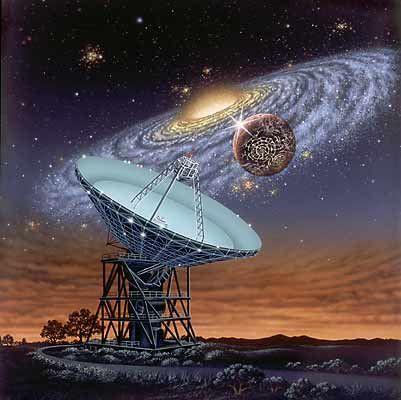
Things have changed since Secretary Kirk and Spock conducted a search for life and new civilizations.
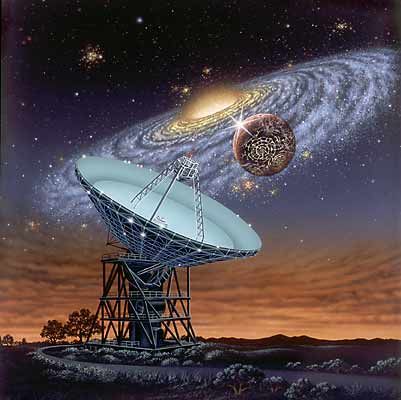
Things have changed since Secretary Kirk and Spock conducted a search for life and new civilizations.
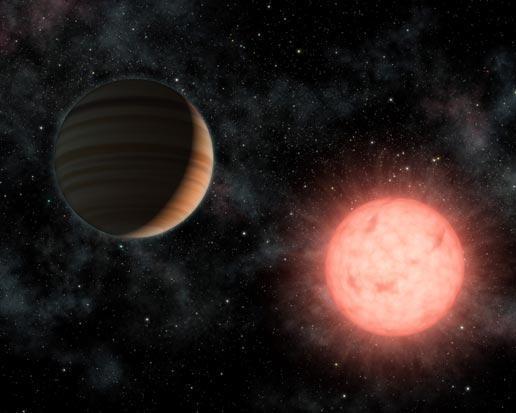
A tool for hunting planets, used long ago, gave the first result - a Jupiter-like planet orbiting one of the smallest known stars.
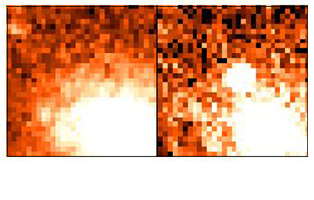
The team of scientists has developed a tool to measure distances from Earth to supernovae with unprecedented high precision.
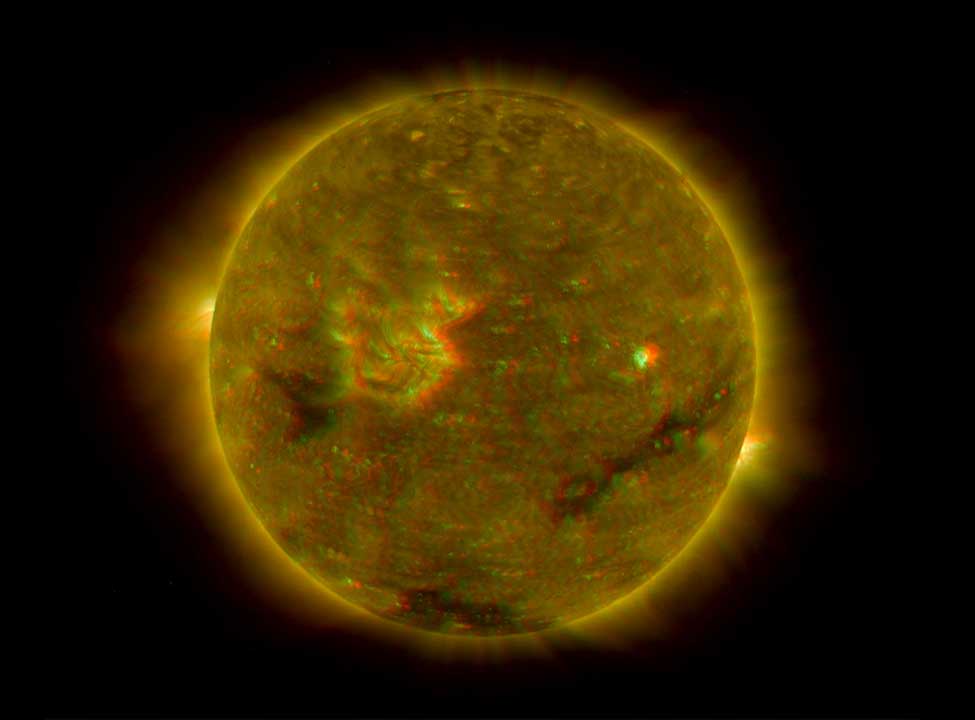
A group of experts have made predictions about the next cycle of the sun, suggesting that the 24th cycle will peak at May 2013 with the number of black spots below avera…

China is embarking on its own ground-based optical telescope to help astronomers actively observe the sky for another five to six years.
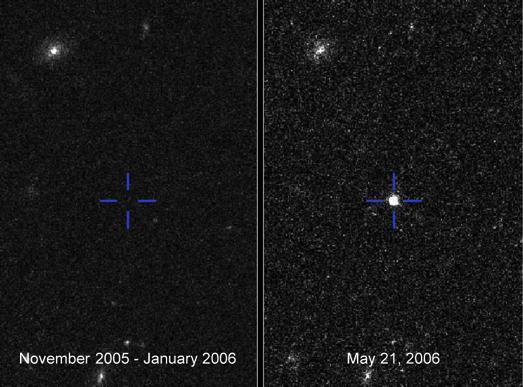
A new study has been discovered by astrophysicists at the University of Warwick that a mysterious stellar explosion recorded in 2006 could mark the abnormal demise of a…

Small iron-containing meteorites with fists that self-propelled probes found on Mars could help scientists prove that red planets exist.

Observers and researchers of Saturn's Titan satellites say that Titan satellite clouds form and move quite like clouds on earth, but at a much slower rate.

As the sun turns into a red giant, the orbits of the planets near it will be disordered, leading to the risk of collisions between the planet and Mars and Venus.
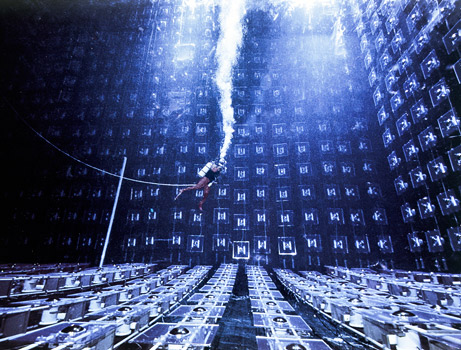
Each neutrino (the oldest molecule smaller than an atom) can contain a space larger than thousands of galaxies, according to new simulations.
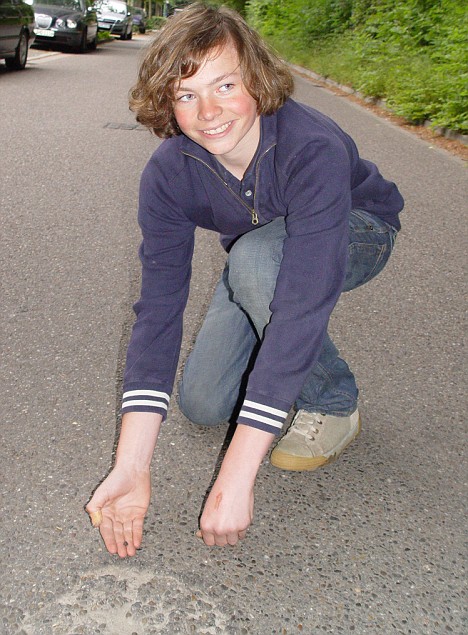
A 14-year-old German boy was hit by a pea meteorite and left a scar.