Space science
Blurred meteor detection
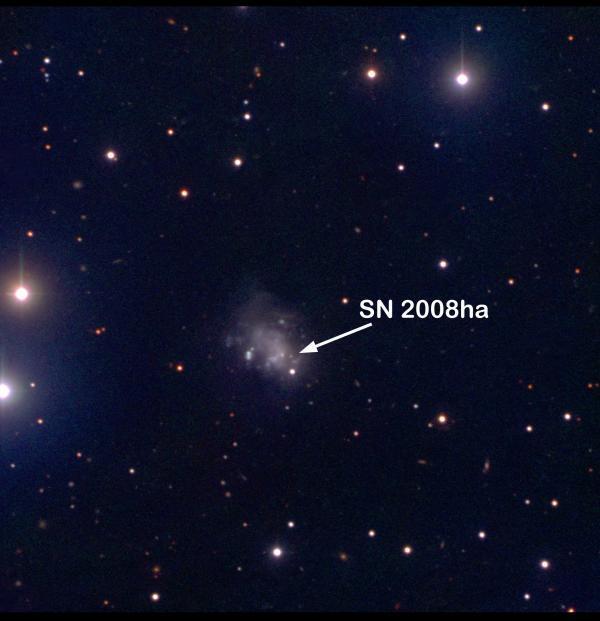
Core-collapse supernovae (also called gravitational supernovae) is one of the most violent phenomena in the universe.
Explore astronomy, NASA missions, planets, galaxies, the Moon, the Solar System and discoveries that expand our understanding of the universe.
8,698 published items in this category and its subcategories.
Core-collapse supernovae (also called gravitational supernovae) is one of the most violent phenomena in the universe.

The US space agency's Endeavor plan to launch the spacecraft was canceled only a few hours before the ship took off from Earth, due to a hydrogen gas leak.
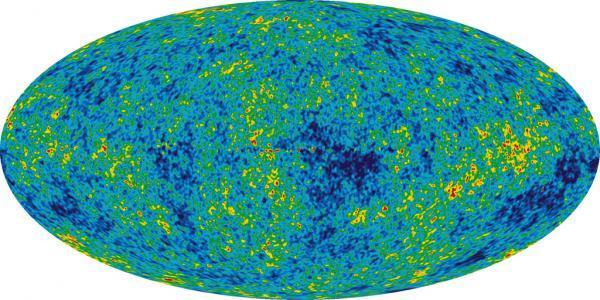
What happens in a trillionth of a trillionth of a trillionth of a second after Big Bang?
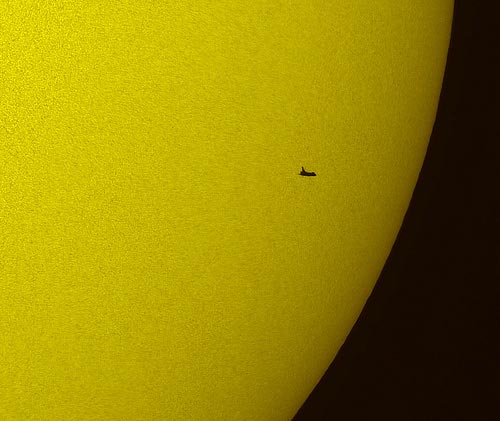
Shocking photos reveal the Atlantis space shuttle and the Hubble telescope when both are hit by the sun.

According to new research by American scientists, a large meteorite will not be able to destroy life on earth as previously imagined.
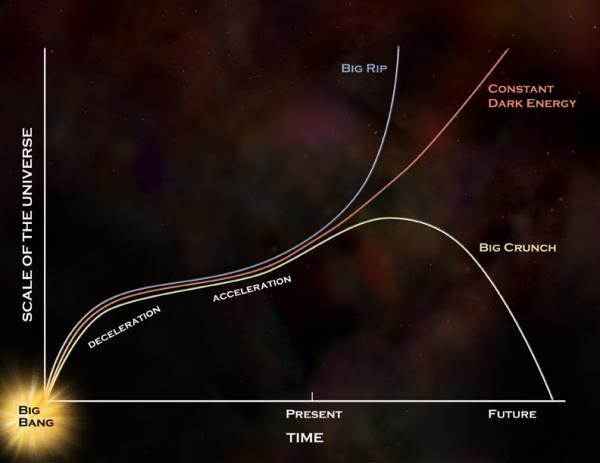

International scientists have found a star from weakening very quickly before dying. But suddenly it turns into a star from another with a tremendous rotation speed and…

The Atlantis spacecraft landed yesterday in a parking lot in California, USA, after successfully performing the mission to upgrade the Hubble telescope in orbit.

US President Barack Obama has appointed former African astronaut Charles Frank Bolden to lead the Aerospace Agency (NASA).

Chinese space scientists claim that the country's astronaut will set foot on the moon as early as 2025.
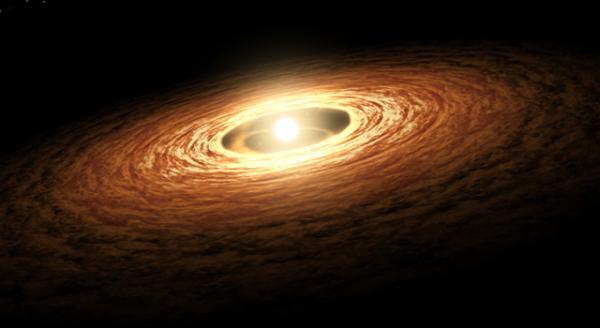
Scientists have long wondered how small silicate crystals, which need very high temperatures to form, are present in cold comets that are born on the outer edge of the s…

Despite the Japanese Kaguya satellite providing images demonstrating the presence of the Apollo 15 on the moon, some scientists are still suspicious ...

Scientists at Canada's University of Anberta said on May 26 that they could track the formation of a solar storm from its origin in the universe.
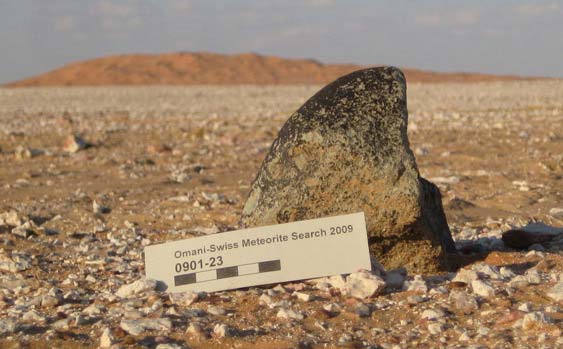
One of the 3 seedless meteors (*) was discovered during the search for cooperation between Oman and Switzerland.

Russia's Soyuz TMA-15 spacecraft today left the launch pad at Baikonur, bringing three astronauts to supplement the international space station (ISS).