
Space science
Find the border of the solar system
The US space agency (NASA) will put a satellite into space to understand the outer edge of the solar system.
Explore astronomy, NASA missions, planets, galaxies, the Moon, the Solar System and discoveries that expand our understanding of the universe.
8,698 published items in this category and its subcategories.
The US space agency (NASA) will put a satellite into space to understand the outer edge of the solar system.
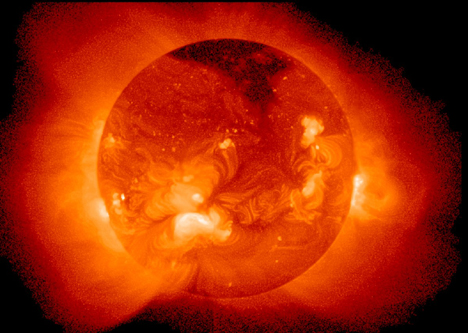
The strange oxygen atom mixture in an exploded meteorite in the sky of Pueblito de Allende, Mexico nearly 40 million years ago has caused scientists to suffer since that…
In the journey to conquer the vast universe, people have discovered so many new things, but still, there are countless unknowns to date.
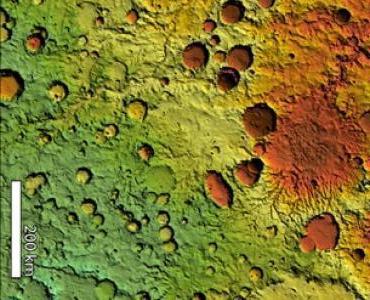
The valley network on Mars is caused by periodic floods during long periods when the Martian climate has the same conditions as dry areas, with little rain on Earth.
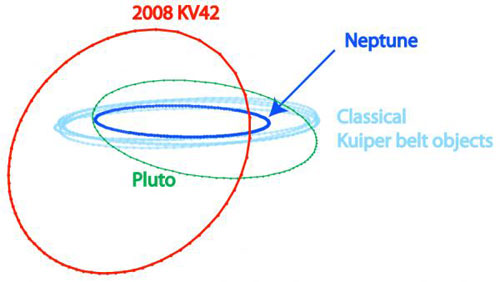
An international team of scientists has found a strange object whose reverse and tilting trajectory may shed light on the origin of the comet.
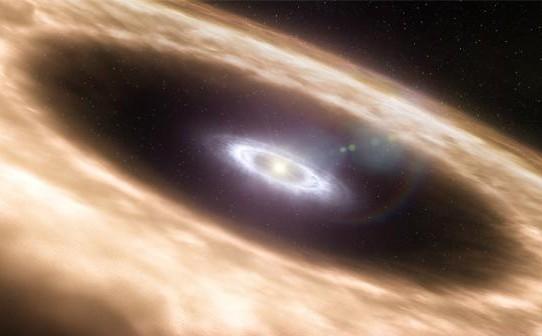
Astronauts are now able to study the planet-forming disk around young Sun-like stars, thereby revealing the movement and distribution of gas in the inner region of the d…
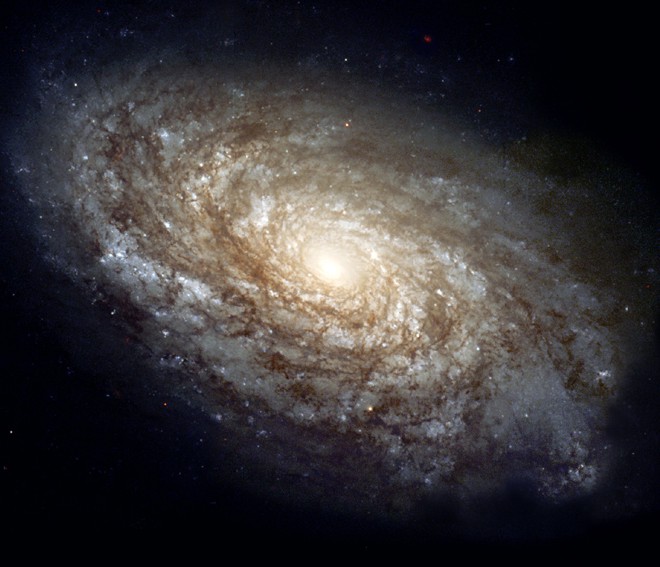
By analyzing light from small galaxies, orbiting the Milkey Way galaxy, the researchers found the minimum mass of galaxies in the universe: 10 million times the mass of…

A new picture of comet composition, with the help of 21st century technology, was present at Diamon, Britain's national Crotron light source, in Oxfordshire.
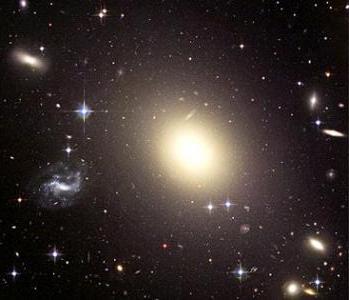
There seems to be a maximum limit on the size that the largest black holes in the universe can achieve.
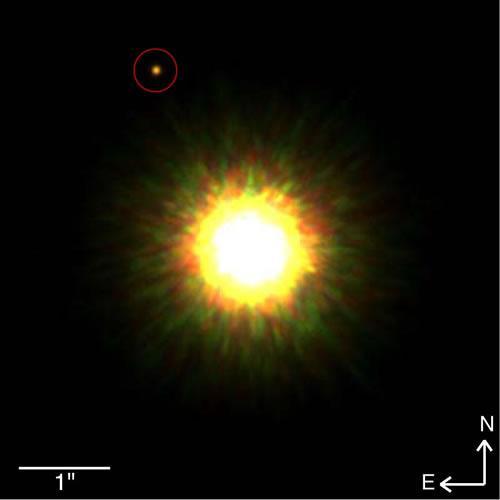
Astronomers recently veiled the mystery of an object that looks like a planet next to a star similar to the Sun.
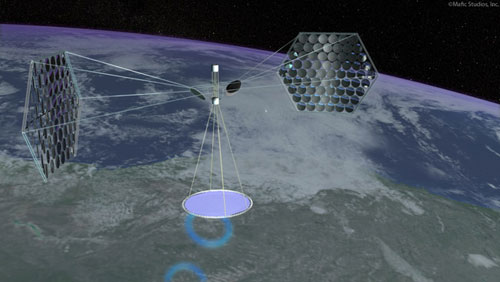
John C. Mankins, a scientist who worked at the US Aerospace Agency (NASA), successfully tested the use of radio waves to transmit solar power at a distance of 148km betw…
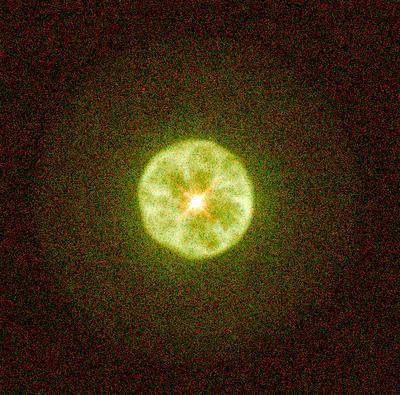
Stars are not large enough to carry out supernova explosions that end their lives by blowing most of their weight in a high wind.
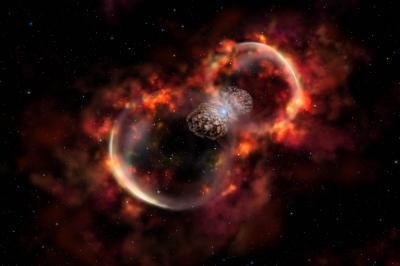
The terrible explosion of Eta Carinae seems to be completely dominated by a weaker form than a conventional supernova without destroying the star.

Oxygen is the most abundant element on Earth, accounting for nearly half of the planet's mass. Of the three stable isotopes of oxygen, the oxygen isotope 16 accounts for…
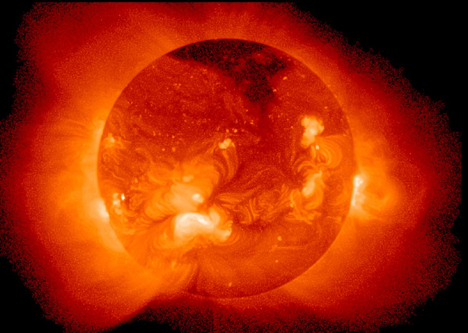
New simulations have shown at least to galaxies like the Milky Way, stars like the Sun can migrate for long distances.