Space science
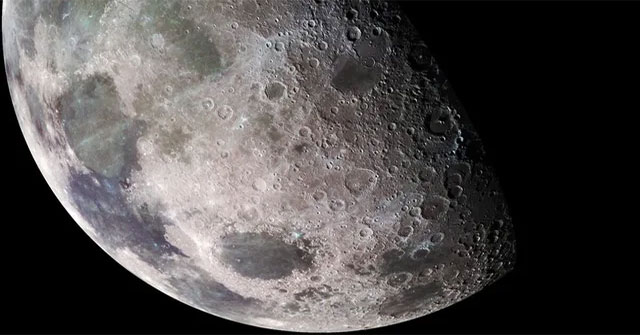
Water from Earth's atmosphere may have caused rain on the Moon
Over the past billions of years, Earth may have dumped about 3,500 cubic kilometers of water onto the Moon's poles.
Explore astronomy, NASA missions, planets, galaxies, the Moon, the Solar System and discoveries that expand our understanding of the universe.
8,698 published items in this category and its subcategories.
Over the past billions of years, Earth may have dumped about 3,500 cubic kilometers of water onto the Moon's poles.

The black hole at the center of the Perseus sounding galaxy cluster created ripples in the hot gas of the molecular cloud around it, thereby creating
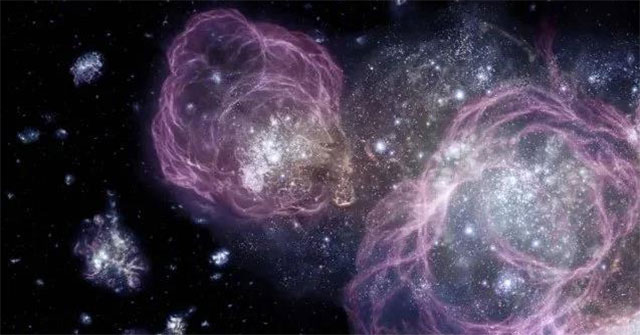
The endless space around our little Earth may not last forever, but is slowly entering a period of stagnation and degeneration, US researchers have revealed.
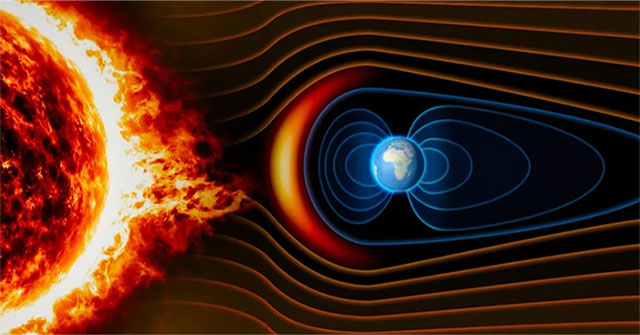
The researchers think that the solar wind produces water vapor on the asteroids. When they collide with the Earth, they provide a large amount of water.
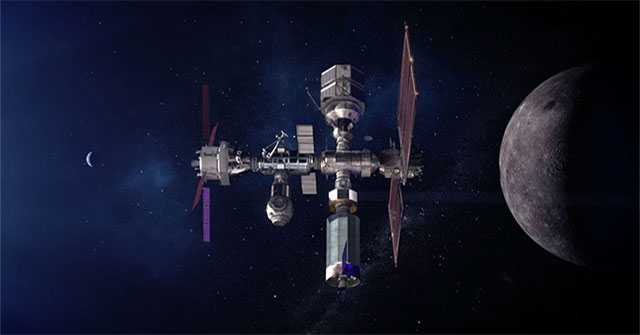
Lunar Gateway is a project that requires the most advanced and sophisticated technology today.
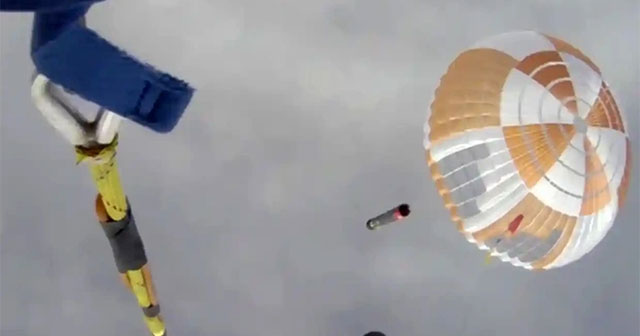
After launching the satellite into orbit, the first stage of the Electron rocket was captured by Rocket Lab - the US space company - using a helicopter when it was falli…
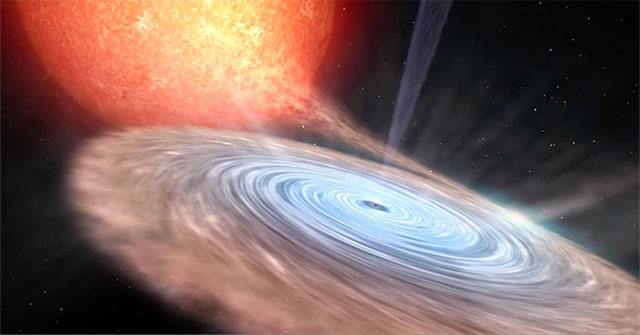
Just like how bats emit sound waves and see objects through reflected waves, NASA's NICER telescope accidentally discovered 8 invisible monsters right in the Milky Way.
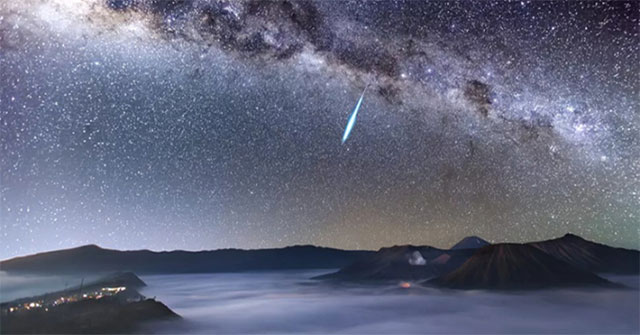
Astronomy buffs around the world will get the chance to watch the Eta Aquarids meteor shower peak mid-week.
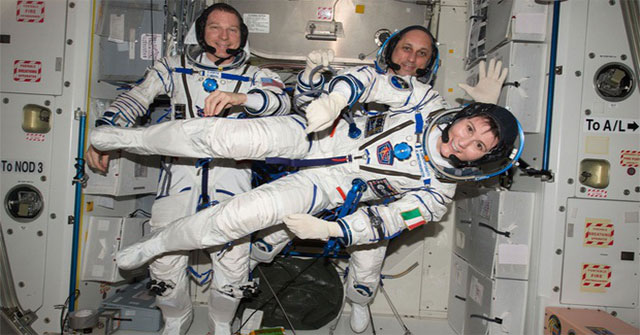
To become an astronaut is extremely not easy. Participants need to complete a complex test....
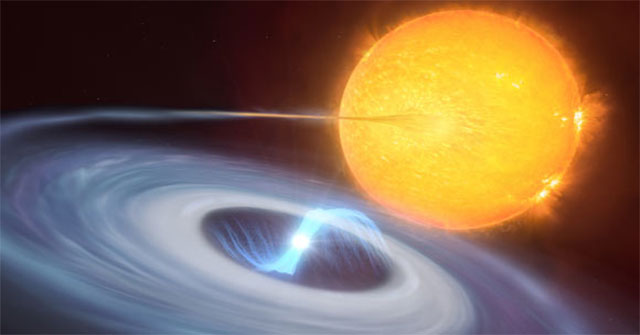
When reviewing data from exoplanet hunter TESS, the scientists encountered what was not a planet, but a dazzling beam of light from the unidentifiable object.
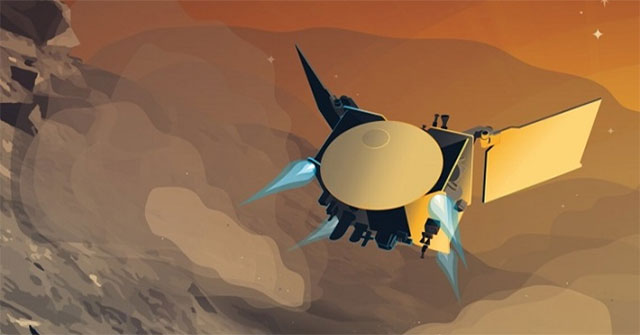
Tàu vũ trụ OSIRIS-REx của NASA sẽ khám phá một tiểu hành tinh khổng lồ có thể bay tới gần Trái Đất hơn phần lớn vệ tinh địa tĩnh vào năm 2029.
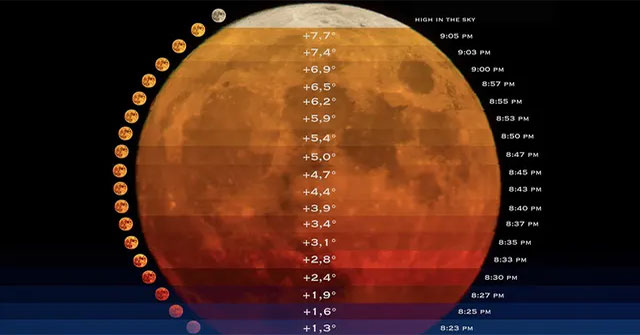
It turns out that the moon is not only gray or dark gray as we often see, instead its color is extremely diverse.
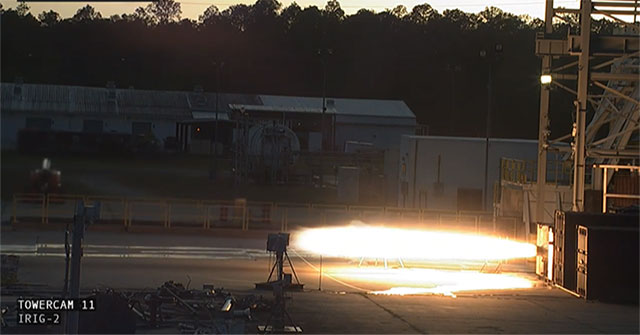
The E-2, a 3D-printed rocket engine developed by the US private space company Launcher Light, passes its first maximum thrust test.
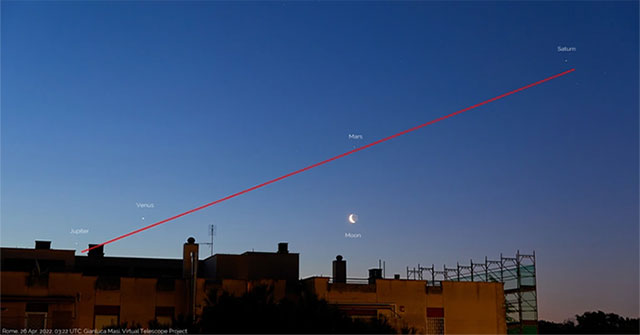
Italian astrophysicist Gianluca Masi captured a unique moment of the 'parade' of the planets.
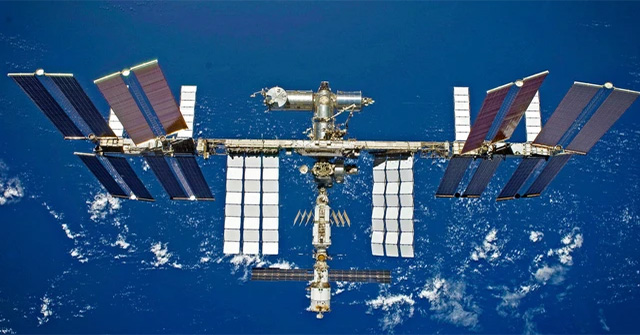
The article will share some ways to help you easily track the current position of the ISS station in the sky.