Space science
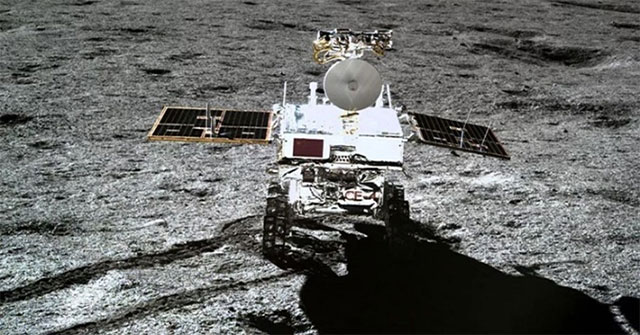
Chinese robot detects strange object on the Moon
Newly shaped crystals found on the far side of the Moon reveal the object's history of collisions.
Explore astronomy, NASA missions, planets, galaxies, the Moon, the Solar System and discoveries that expand our understanding of the universe.
8,698 published items in this category and its subcategories.
Newly shaped crystals found on the far side of the Moon reveal the object's history of collisions.
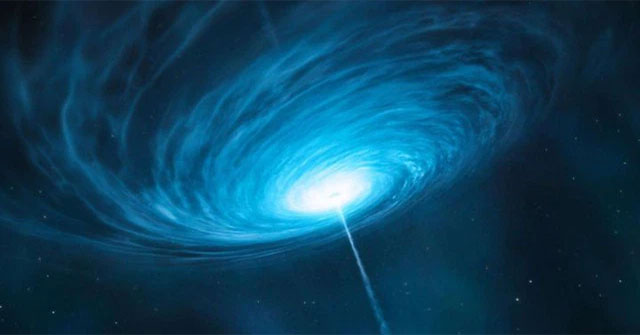
So far, there has been a lot of evidence to show that black holes really exist, even in reality, but white holes and wormholes still exist only in theory.
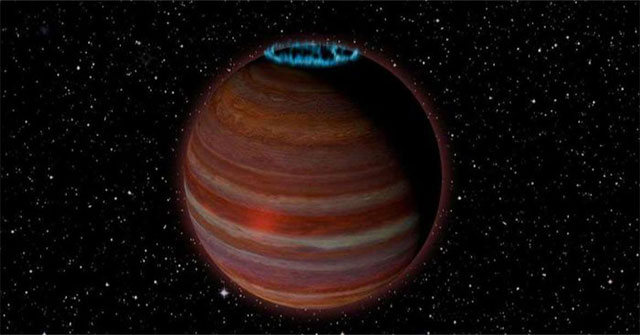
The universe contains countless strange things. Here are 12 of the strangest objects in space.
Venus is not friendly to life, but at an altitude of 50km above the planet's surface, the story is different...
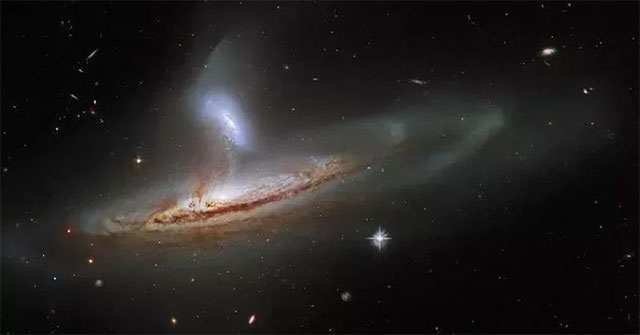
What happens when some galaxies are predicted to collide with the galaxy containing the approaching Earth?
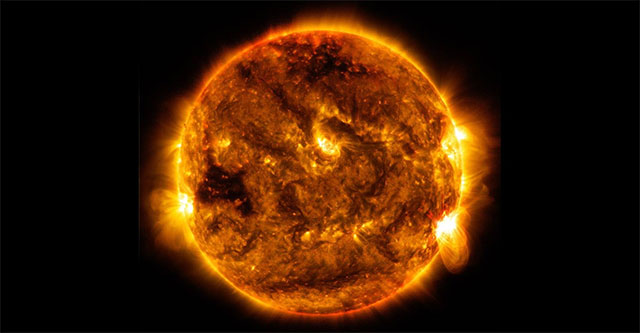
In addition to being a source of heat and light, the Sun affects the space environment in a variety of ways.

The startup Orienspace has raised more than $100 million to develop a new series of rockets, one of which is reusable.
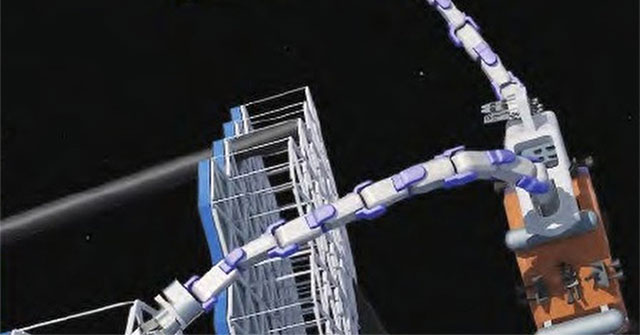
With a solid body design consisting of small detachable segments and acting as an independent robot, this machine can weave through the tightest corners of space.

A group of German astronomers recently discovered a group of stars of the strange stellar type, covered with ash from helium combustion.
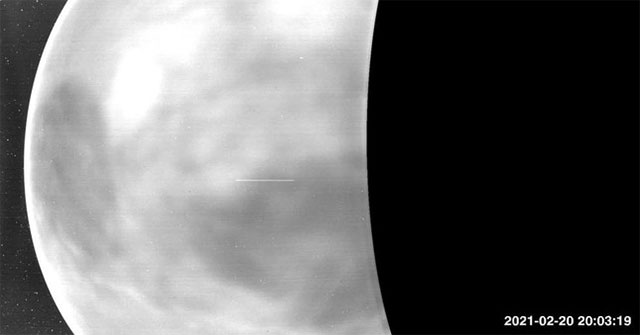
Stunning images captured by NASA's Parker Solar Probe have provided the first glimpse of Venus's red-hot surface.
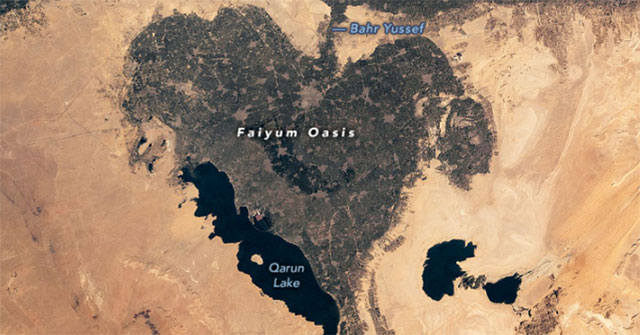
Astronauts on the International Space Station photographed an oasis over 1,200 square kilometers with a unique shape in the middle of the desert.
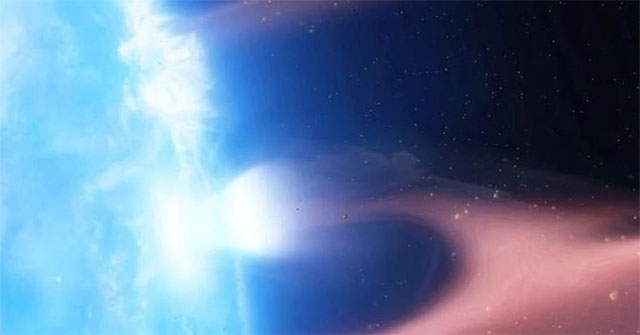
For the first time, scientists have captured unequivocal evidence of a white dwarf star ripping and swallowing parts of its own planet.
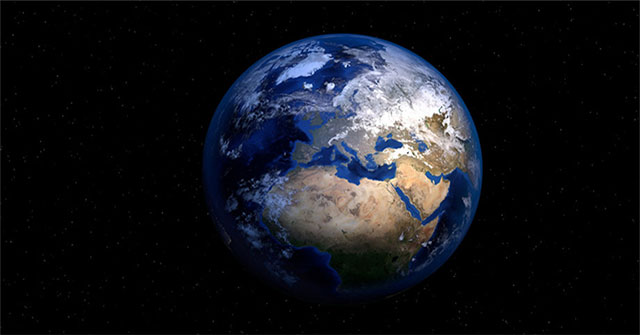
Scientists from the Chinese Academy of Sciences discovered that the innermost core of the Earth is not in a normal solid state but a superionic state.
We all dream of traveling in time, carrying our cameras and going back to the past to take unique pictures.

NASA's James Webb Space Telescope has captured the first star image, opening the door to unlocking the mysteries of the early universe for scientists.