Space science
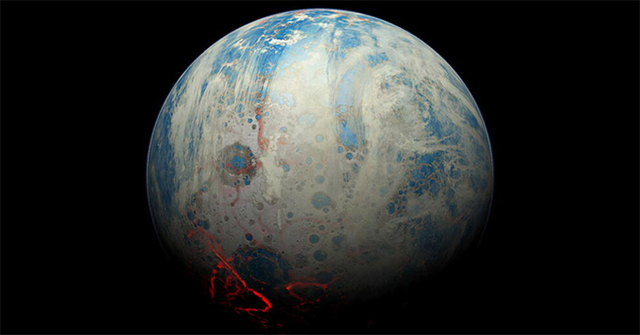
Discovered 'green witch' - what makes Earth have life
Earth was once a terrifying ball of fire with a deadly atmosphere full of deadly carbon dioxide.
Explore astronomy, NASA missions, planets, galaxies, the Moon, the Solar System and discoveries that expand our understanding of the universe.
8,698 published items in this category and its subcategories.
Earth was once a terrifying ball of fire with a deadly atmosphere full of deadly carbon dioxide.
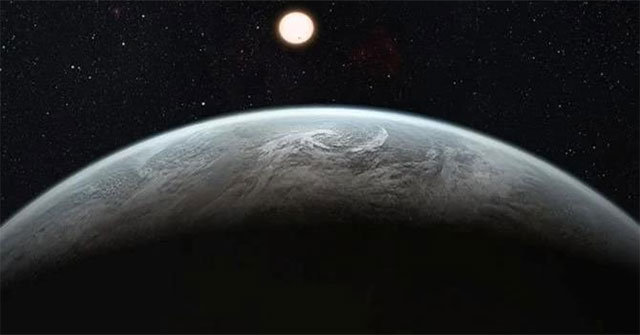
Of the two other solar systems closest to Earth, there must be a rocky, habitable planet that has designed its basic portrait: Earth α-Cen.
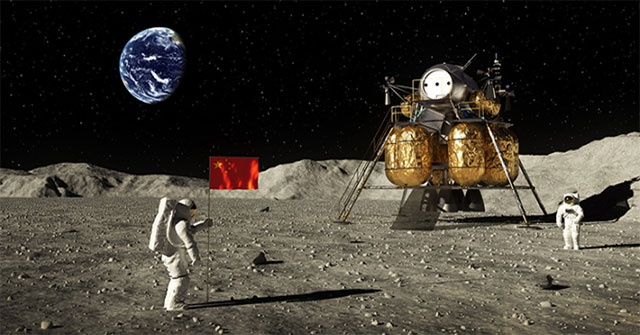
China is developing a new generation rocket to realize its ambition to send a crew to the Moon in the future.
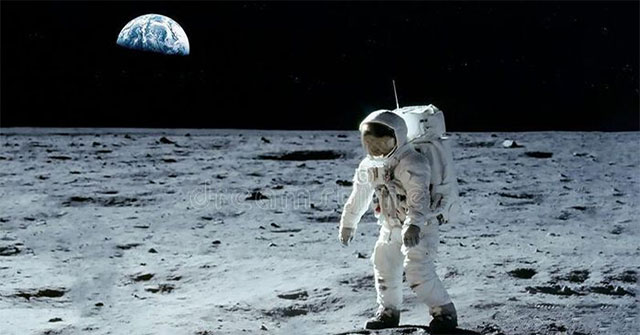
Trace elements in the composition of the lunar soil can cause skin and respiratory irritation, liver, kidney and central nervous system damage.
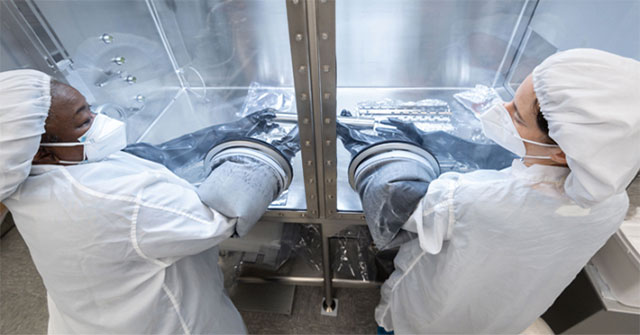
Experts hope that the specimen, which is preserved in many layers in a vacuum for a long time, will retain the lunar gas.
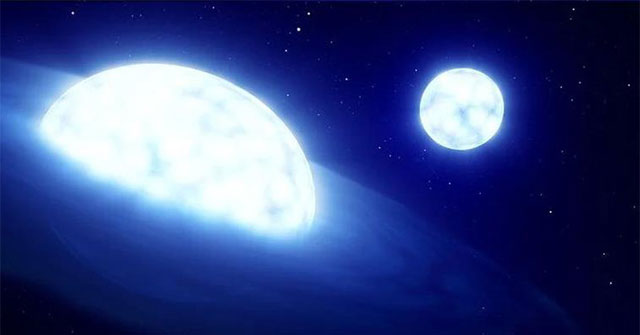
HR 6819 aka Be Star, long thought to be the closest black hole to Earth, is something completely different, interesting and terrifying.
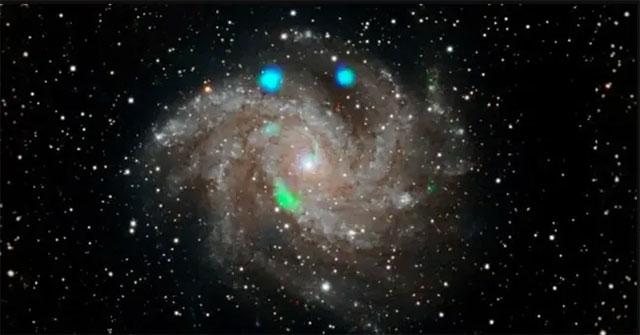
X (3872) is a short-lived matter particle that was recently revived in Switzerland.
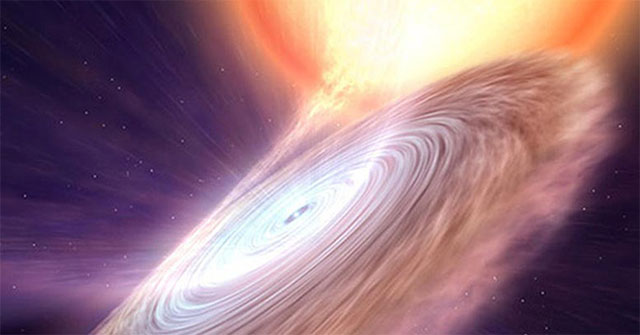
Scientists have recorded warm, cold winds from a monster star for the first time as it consumes material from its ill-fated companion.
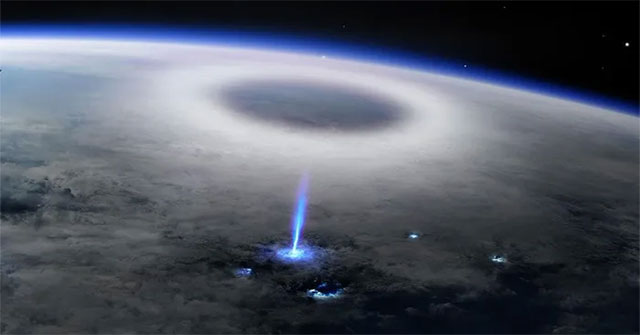
Scientists have finally got a clear view of the spark that produces a strange type of lightning called a blue spark.
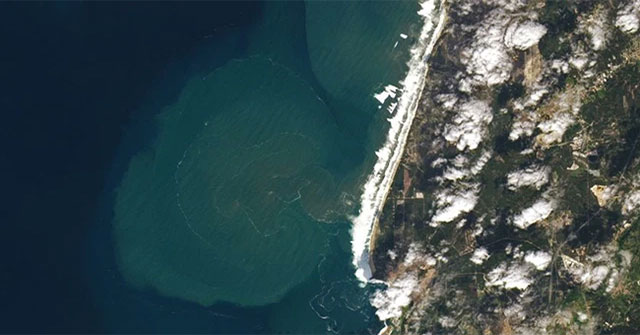
NASA has just released an image showing the immense power of giant waves, as tall as seven-story buildings.
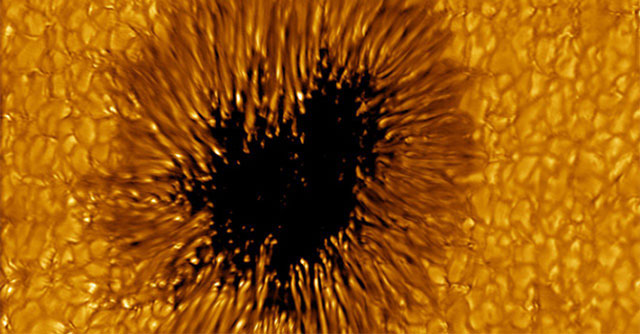
The world's largest solar telescope in Hawaii took pictures of a giant sunspot on the Sun at the end of February.
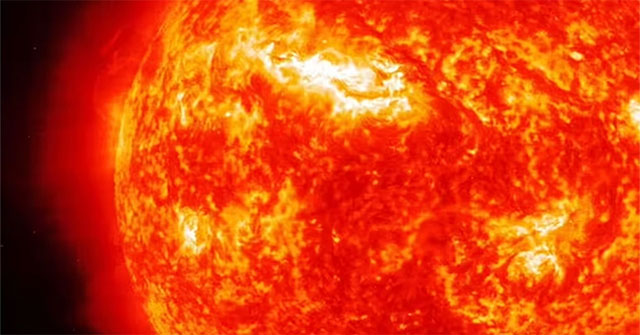
The sun has tremendous heat. But if you think that the closer to the Sun, the hotter, then you are wrong, because science has proven otherwise.
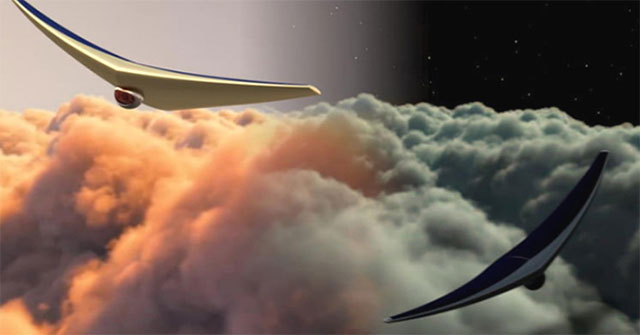
The experts of the BREEZE project develop a bird-like drone model and equipped with many scientific instruments to
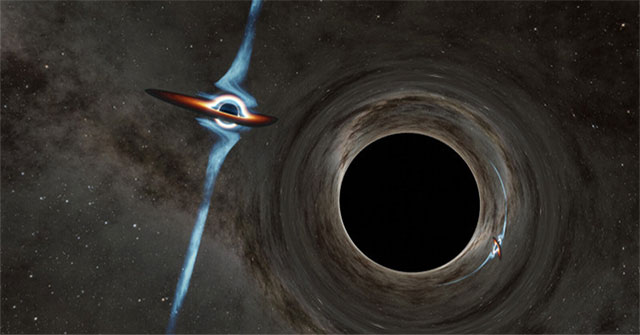
Astronomers from Caltech have discovered that two black holes, 9 billion light-years from Earth, are on the verge of a merger.
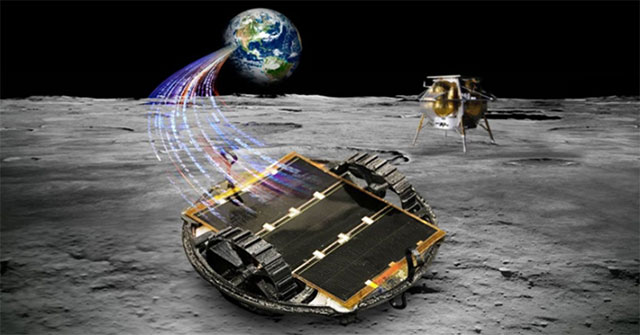
Five thin disc-like robots, 12 centimeters in diameter with two wheels, will launch into space this year to study the lunar surface.