Space science
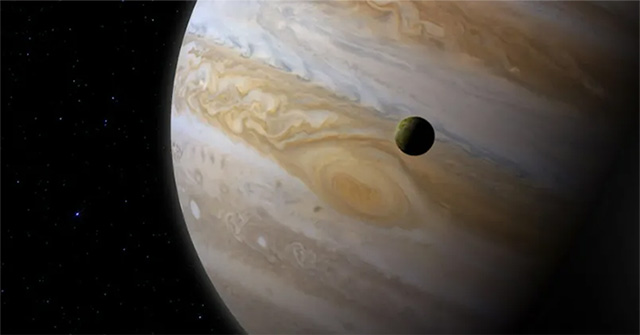
Why is Jupiter not considered a star?
'A star is a spherical object in the plasma form, emitting light and resisting gravity by itself through nuclear fusion in its interior.'
Explore astronomy, NASA missions, planets, galaxies, the Moon, the Solar System and discoveries that expand our understanding of the universe.
8,698 published items in this category and its subcategories.
'A star is a spherical object in the plasma form, emitting light and resisting gravity by itself through nuclear fusion in its interior.'
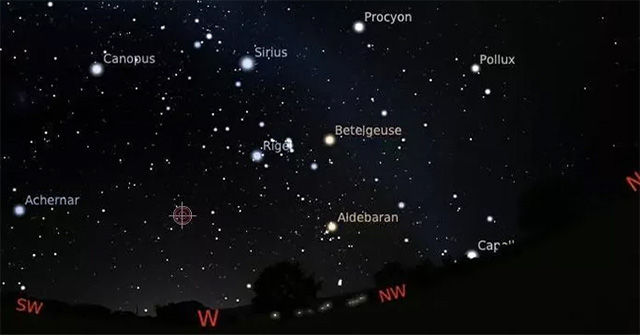
The MeerKAT radio telescope in South Africa has captured a ghostly, laser-like cosmic object that traveled 5 billion light-weights to reach our world.
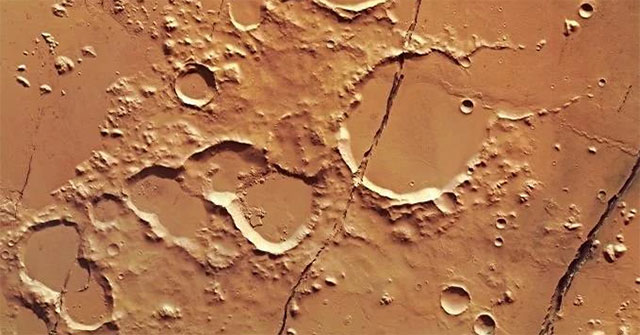
New evidence for Earth's neighbor planet - Mars - suggests it may be far from dead!
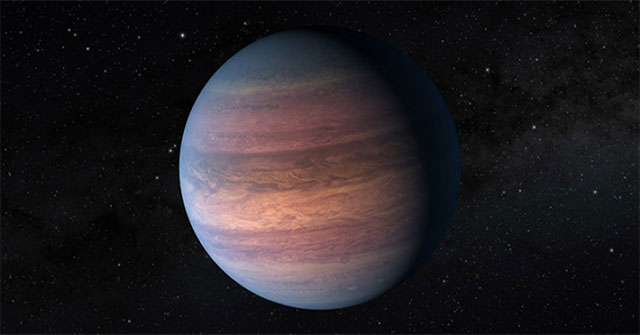
Analysis of a trove of old image data from the Kepler space telescope reveals a gas giant exoplanet very similar to Jupiter.
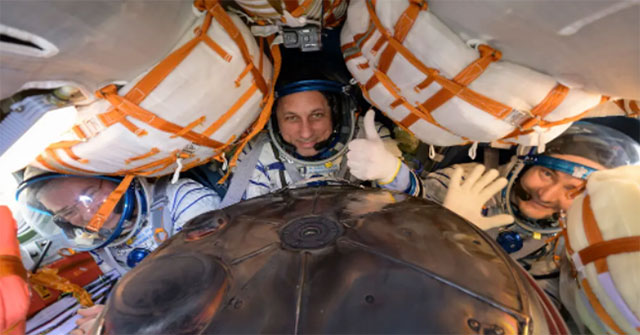
In the weeks since the war in Ukraine, the International Space Station (ISS) has been seen as a symbol of cooperation for the sake of science and non-politics.
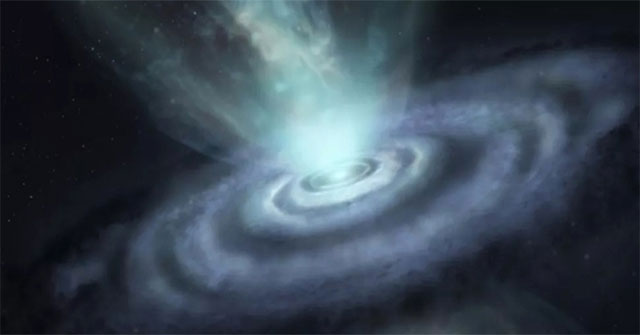
Astronomers have discovered that the red giant star V Hydrae is releasing strange smoke-like rings before exploding.
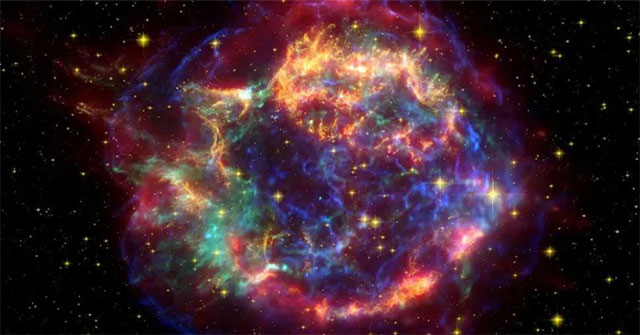
A new study reveals that a powerful shock wave traveling through a cloud of gas left behind by a star's exploding death has an oddity: Part of it is heading in the wrong…
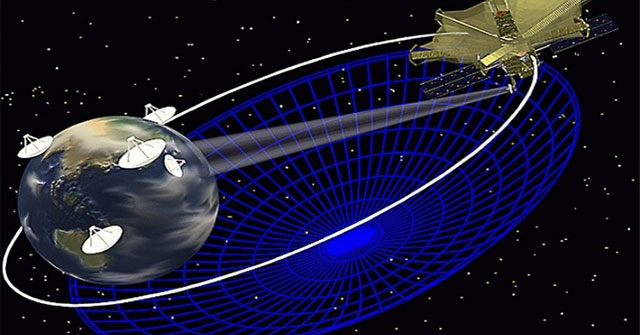
China will launch an observatory orbiting the Moon to create a radio telescope with a diameter of 400,000 km.

NASA scientist raised the idea of making hollow bricks suspended at an altitude of 48 km on Venus, forming the foundation to build a city.

Now, astronomers are edging closer to uncovering one of the biggest mysteries in decades - the ninth planet in the Solar System - a giant planet, which may be orbiting t…
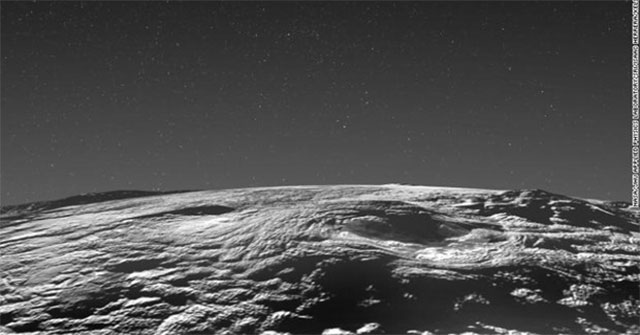
Ice volcanoes have been found to exist on a number of icy moons in the Solar System, however the ice volcanoes on Pluto have a different appearance from all other ice vo…
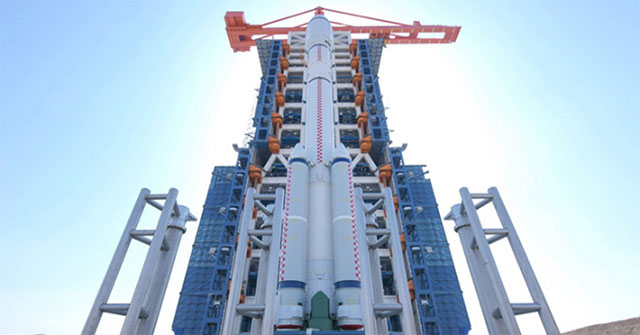
Long March-6A rocket using a combination of liquid and solid fuel made its first successful flight on March 29.
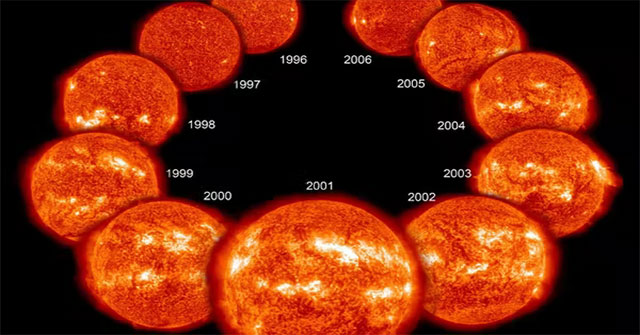
The 4-century mystery of a 70-year hiatus of the solar cycle is expected to be solved through the discovery of HD 166620, a star experiencing the same phenomenon.
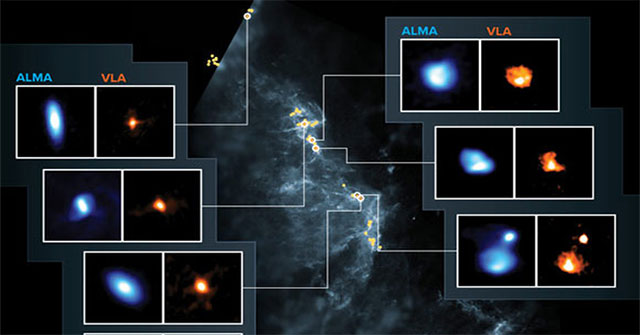
VLA and ALMA, humanity's two heavy-duty radio astronomical observatories, have collected spectacular data sets of 97 fledgling stars with protoplanetary disks.

In the future, Chinese astronauts can control the robotic arm of the Tiangong space station with brain waves with 99% accuracy.