Space science
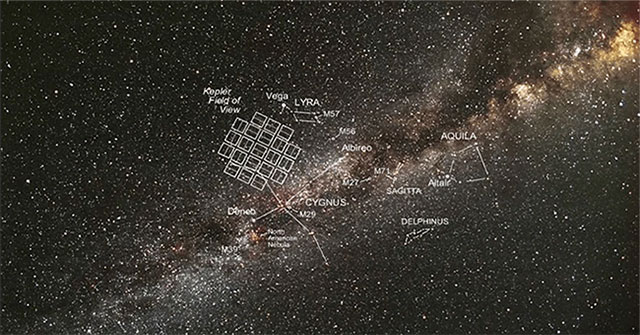
NASA has found 20 promising planets for human habitation
This discovery brings the total number of habitable, near-Earth-sized exoplanets to about 50.
Explore astronomy, NASA missions, planets, galaxies, the Moon, the Solar System and discoveries that expand our understanding of the universe.
8,698 published items in this category and its subcategories.
This discovery brings the total number of habitable, near-Earth-sized exoplanets to about 50.

Lettuce grown on Mars helps protect astronauts against osteoporosis, reduces bone density, and fractures when performing long-term missions in space.
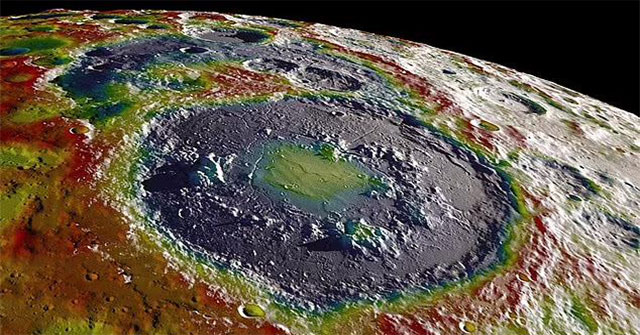
New research has found evidence of ice in permanently obscured impact craters on the Moon, which may have helped sustain the first extraterrestrial settlements.
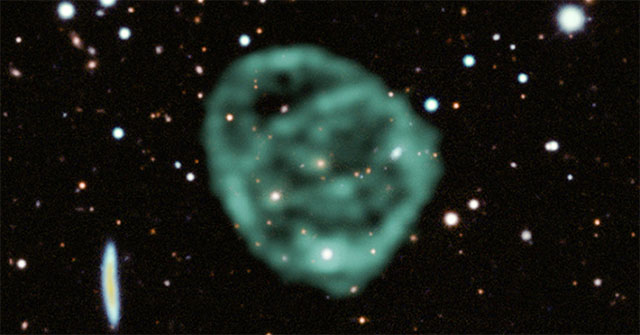
The MeerKAT Radio Telescope has sent back to Earth a stunning update of the mysterious radio circle known as ORC1.
The trailer of the movie Moonfall shows us a scenario in the future where the moon will collide with the Earth, but is this possible in reality?
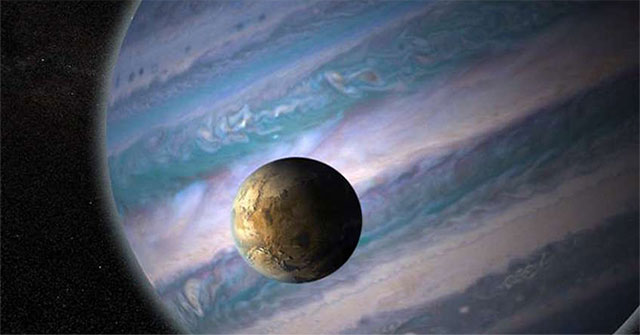
According to SciTech Daily, that's a Moon just as big as Earth's Moon.
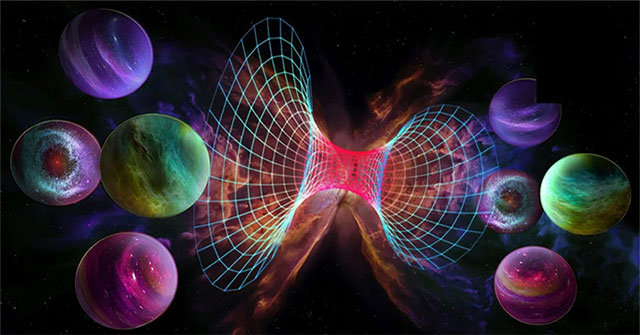
Scientists think there is a symmetric version of the universe with a retrograde charge and retrograde time.

The European Space Agency (ESA) on March 18 released an image of Lake Nasser, one of the largest man-made lakes in the world, of the Copernicus Sentinel-2 satellite.
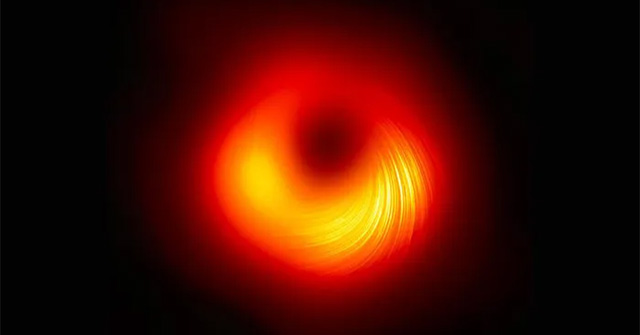
The light particle - called an axion - has been proposed as a solution to the mystery of why the universe has so little antimatter and is a candidate for the elusive dar…

Azuma Makoto and his colleagues have brought a 50-year-old white bonsai tree and many other plants such as orchids, hydrangeas, lilies... into space.
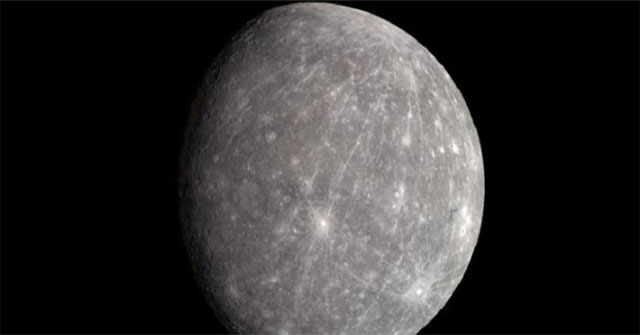
Simulations from new research published at the Lunar and Planetary Science Conference (LPSC) in Houston, Texas last week suggest that Mercury's surface could be filled w…
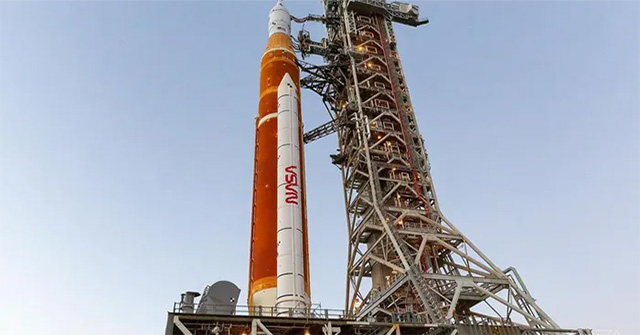
SLS is the most powerful missile in the world that the US possesses. SLS is about to carry out NASA's 'golden era missions'.
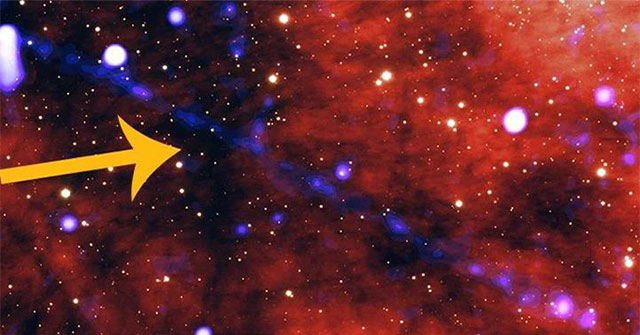
Legendary antimatter has filled space from a dead star's escape.
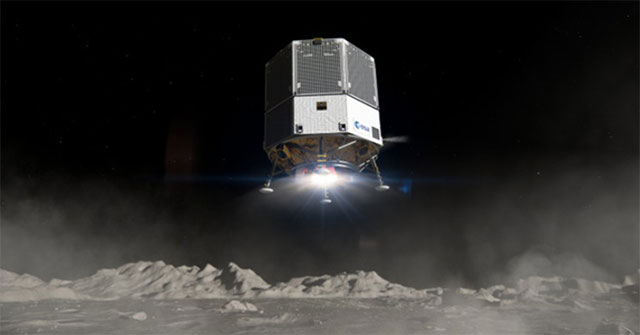
The European Space Agency plans to deploy a device capable of extracting 70% of the oxygen from the lunar surface by 2030.
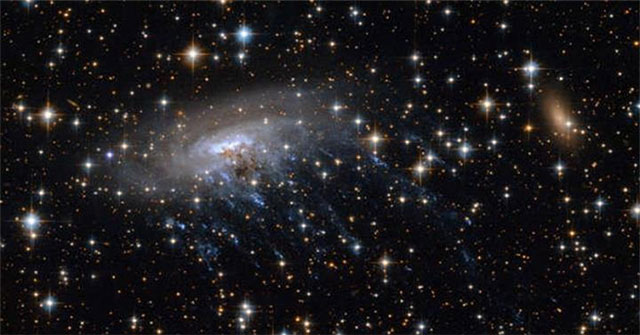
Strange galaxies, planets with unknown features, mysterious satellites and unique phenomena.