Space science
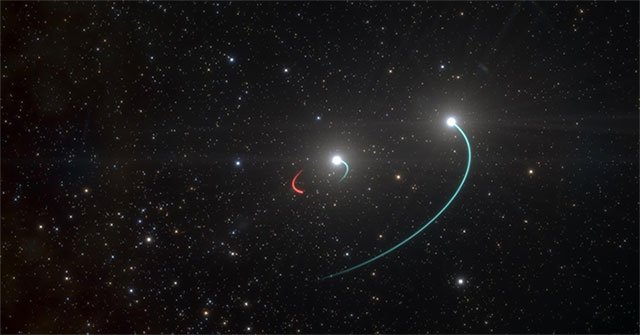
Unexpectedly discovered a black hole near the Earth that so far we did not know
The newly discovered black hole lies in the star system HR 6819, 1,011 light-years from Earth and four times the mass of the Sun.
Explore astronomy, NASA missions, planets, galaxies, the Moon, the Solar System and discoveries that expand our understanding of the universe.
8,698 published items in this category and its subcategories.
The newly discovered black hole lies in the star system HR 6819, 1,011 light-years from Earth and four times the mass of the Sun.
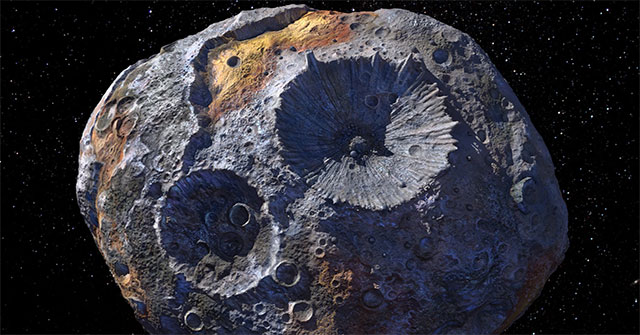
The US space agency NASA has decided to join with billionaire Elon Musk to explore asteroids containing a huge amount of gold enough to turn everyone on Earth into a bil…
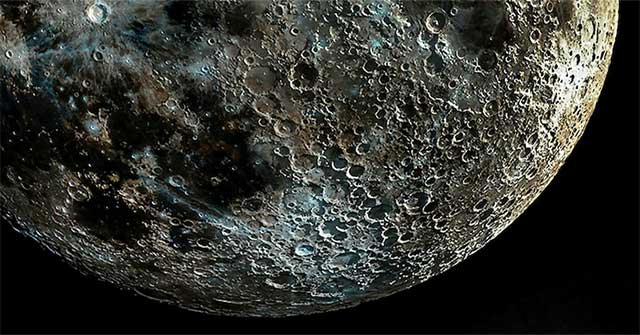
By taking and composing images from countless different frames, the American photographer has created the most authentic Moon image in the world.
One of the open questions about cosmic biology is whether there is life somewhere in the solar system?
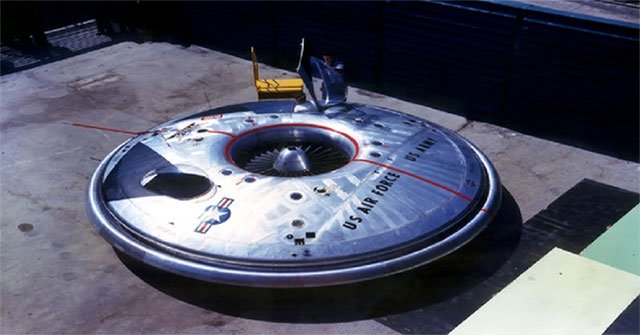
In the early years of the Cold War, the US military conducted a secret project called VZ-9
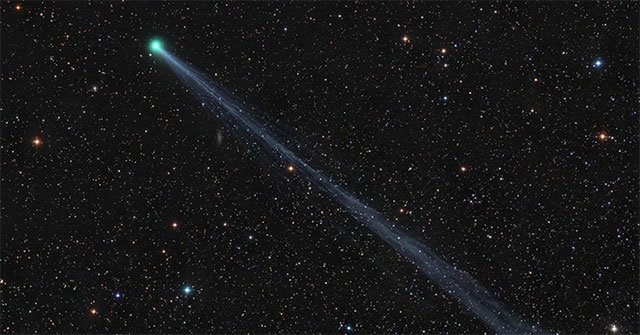
Comet C / 2020 F8 (SWAN) will reach the Earth closest in mid-May before rushing towards the Sun and decaying.
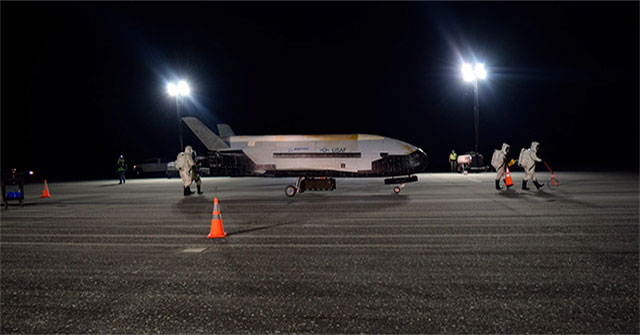
The Pentagon for the first time reveals quite a number of upcoming missions of the spacecraft that have performed top secret missions in the universe.
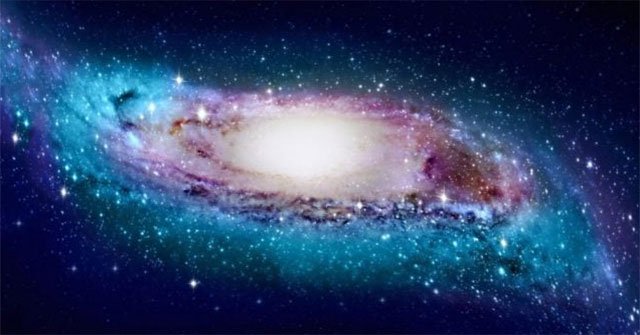
The evolution of elliptical galaxies is completely different from the Milky Way. They go through the infancy so much radiation that no planet of life can survive ...
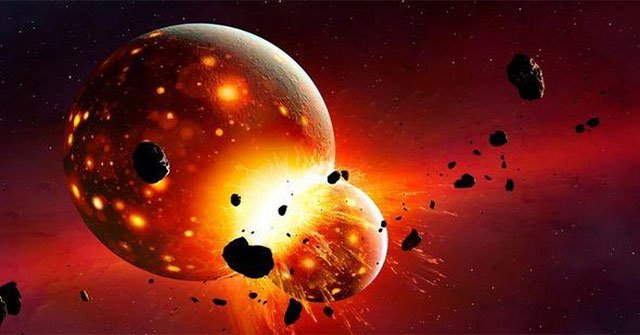
After discovering the amount of carbon emissions emanating from all over the lunar surface, a new study could rewrite experts' knowledge of the lunar formation.
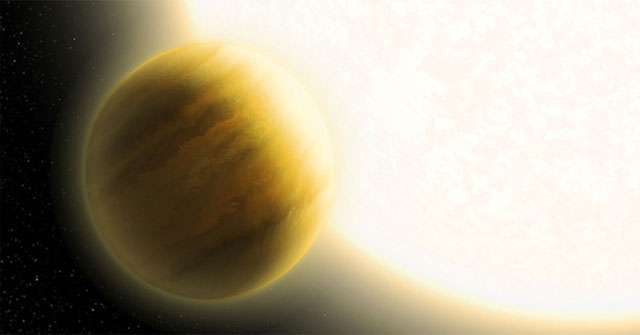
NASA astronomers found a planet with an unusual atmosphere, called WASP-79b, about 800 light-years from Earth.
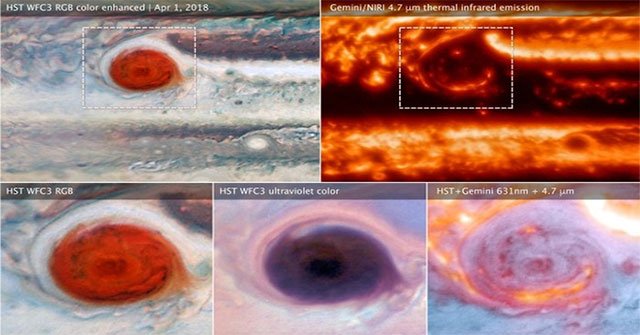
As the largest planet in the Solar System, Moc Tinh from afar looks like a peaceful planet with colorful patterns and lines surrounding it.
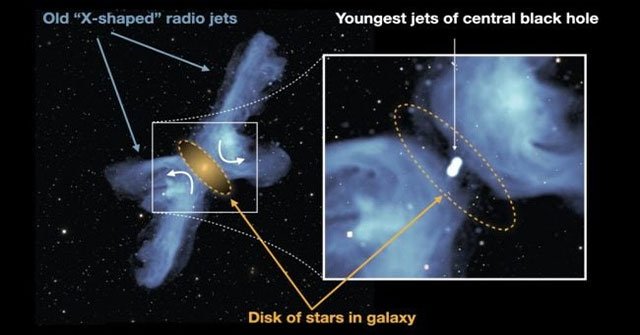
Galaxy PKS 2014-55 is 800 million light-years from Earth, classified as an X-shaped galaxy because it looks like there are four rays radiating into an X-shape.
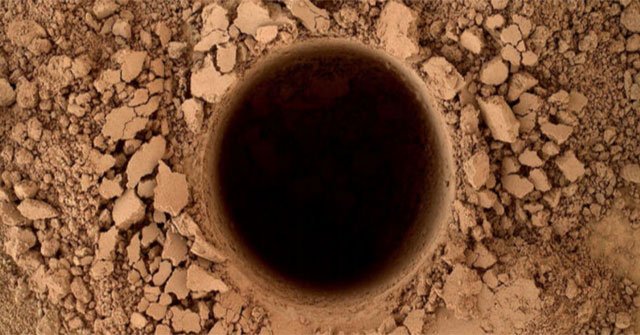
Scientists have issued a warning about the risk of infection of pathogens that humans have never known to astronauts on missions to discover new planets like Mars.
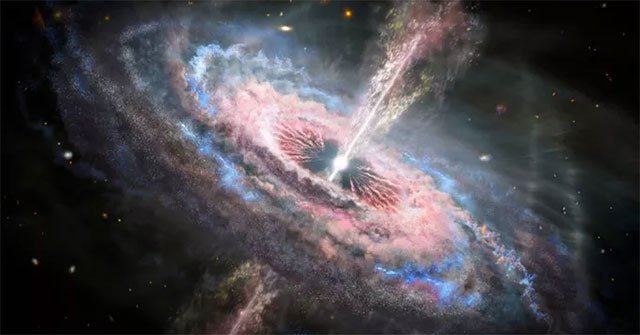
One of the most destructive phenomena in the universe has just been recorded by NASA's Hubble Telescope: the ghostly quasar super tsunami rips apart galaxies.
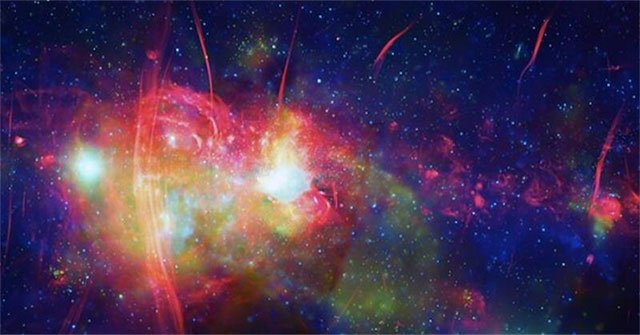
NASA on March 23 released a stunning image of the center of the Milky Way galaxy, where there is a supermassive black hole Sagittarius A *.