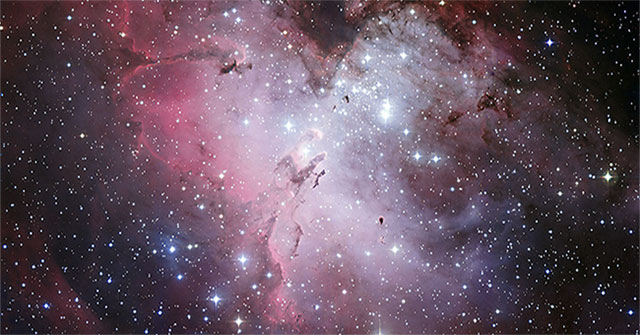
Space science
How are all matter in the universe created?
All the matter around you is made up of microscopic units called molecules.
Explore astronomy, NASA missions, planets, galaxies, the Moon, the Solar System and discoveries that expand our understanding of the universe.
8,698 published items in this category and its subcategories.
All the matter around you is made up of microscopic units called molecules.
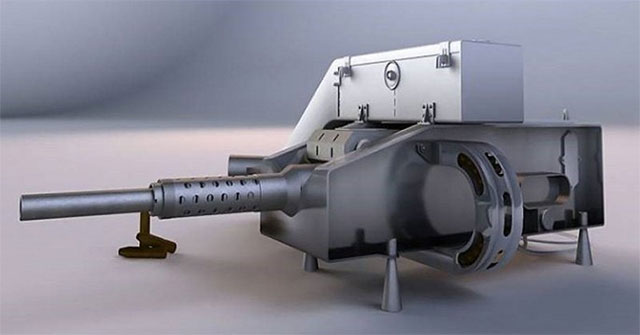
Although interesting and important for history, Shield-1 and other daring projects are still being forgotten.
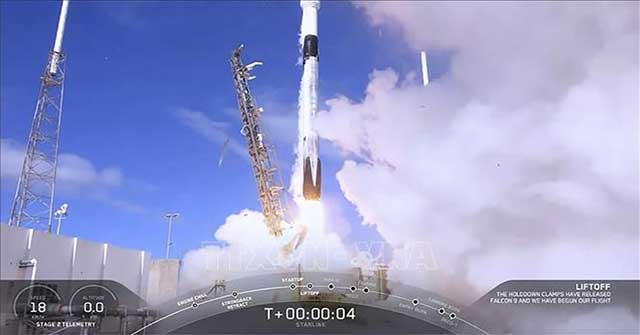
Elon Musk's Space X Space Exploration Technology Group successfully launched 60 small satellites in the Starlink project into low-Earth orbit.
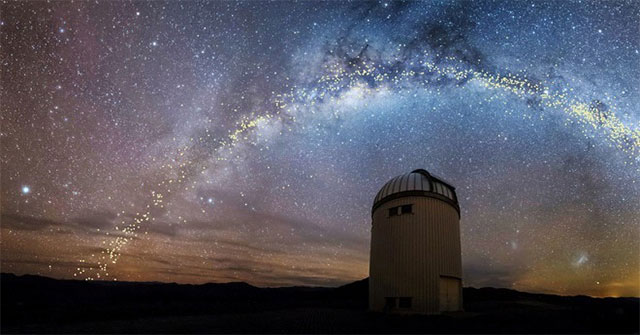
Astronomers find a star that is 'gliding' across our Milky Way at 6 million km / h, and so this star will leave the Milky Way in 100 million years.

Mercury moves through the Sun on Monday (November 11), also known as 'Mercury in transit'. This is a relatively rare astronomical event, and will not happen until 2032.

Theoretical physicist Sean Carroll of the California Institute of Technology believes that every major event has many possible outcomes, separating the world into differ…
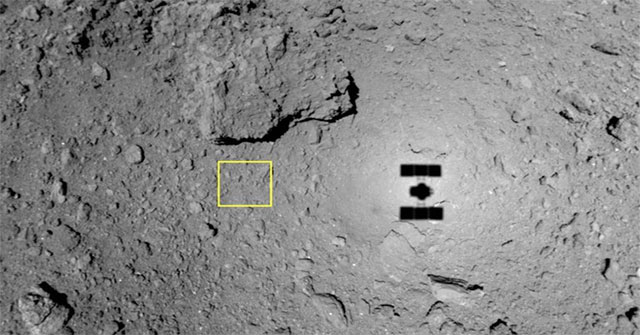
The Japan Aerospace Exploration Agency (JAXA) said the Hayabusa 2 probe had left the asteroid Ryugu and was on its way back to Earth.
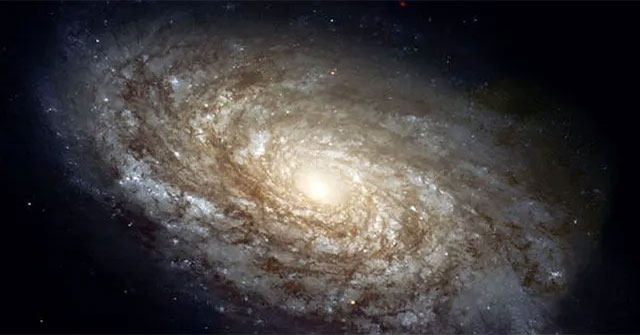
Stars are not created by anyone or anything, they can form themselves, or they can be said: stars are born by a very strong influence of nature called gravity.
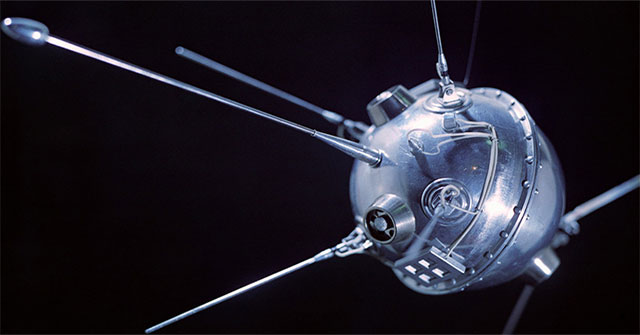
One day in late 1959 or 1960, four excellent CIA agents worked through the night to disassemble the abducted Lunik spacecraft from the Soviet Union.
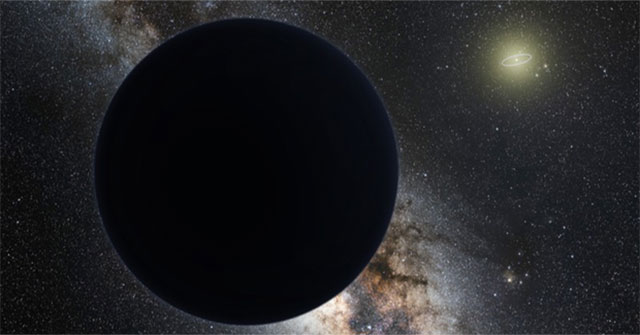
A team of scientists believe they have found a way to trace the mysterious 9th Planet in the Solar System.
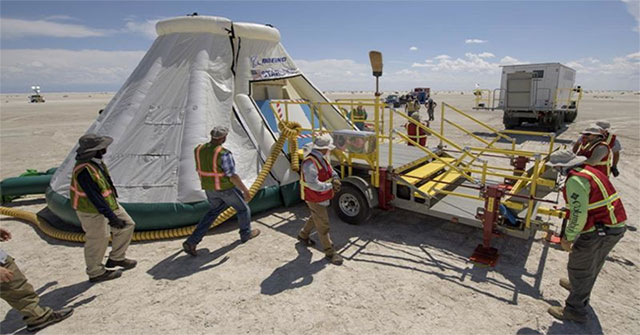
The US space and space agency (NASA) has paid Boeing nearly $ 300 million more than originally planned for the contractor to continue the commercial crew program despite…
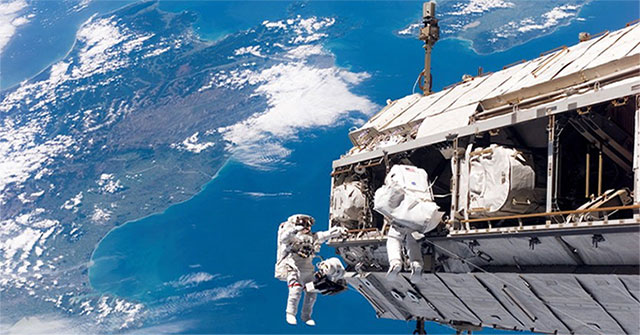
For the first time in a decade, the International Space Station (ISS) will have only three astronauts working there for six months.
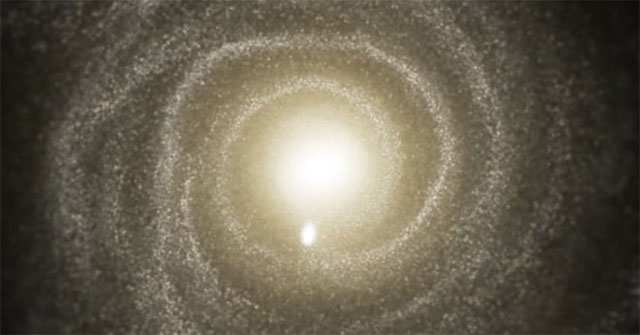
The scientists created the most complex simulation ever of the TNG50 galaxy to find out how it has changed since the universe was born.
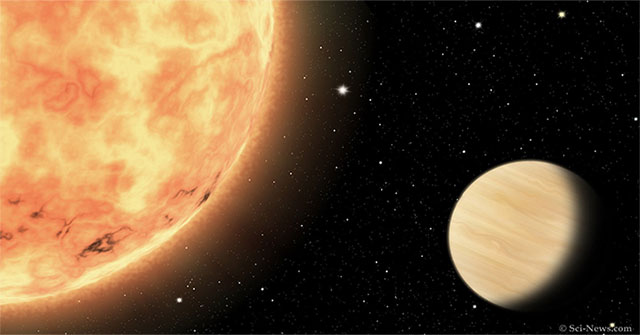
A planet 23 times the mass of the earth and a terrible temperature - 1,111 degrees Celsius - has been found on the edge of the Neptune desert of a star like the Sun.
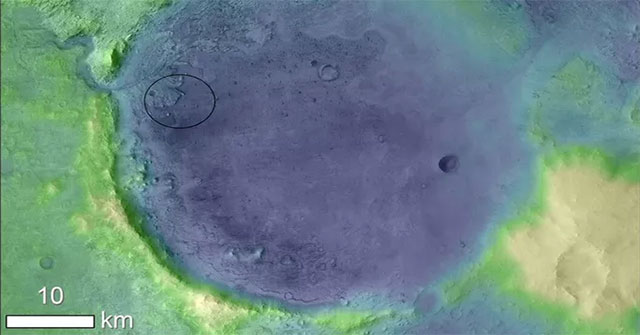
NASA claims it has discovered an oasis that may contain fossils in the middle of arid areas in the Jezero crater crater on Mars.