Medicine - Health
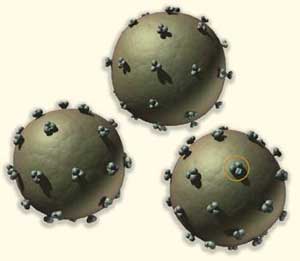
Warning for new HIV strains
Thai health experts warn the country is facing the threat of new strains of HIV, potentially spreading HIV / AIDS faster.
Browse ScienceInfo articles and explainers related to AIDS.
293 published items.
Thai health experts warn the country is facing the threat of new strains of HIV, potentially spreading HIV / AIDS faster.
Scientists at the University of Geneva - Switzerland have developed a drug that helps women improve their ability to prevent AIDS. It's a cream, which has special molecu…

Research on compounds that prevent AIDS infection by breast milk. Recent research from the laboratory has shown that compounds containing sugar in breast milk can reduce…
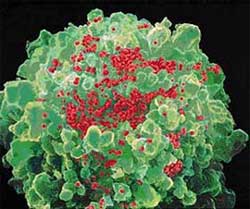
Researchers discovered that treating schistosomiasis - a disease caused by fluke - may increase the immune system of people with HIV / AIDS.

A report on the AIDS epidemic was published yesterday, Tuesday, May 30, 2006, estimated that 38 million people worldwide are currently carrying the HIV virus.

Cancer-capable herbs, AIDS and malaria have been found in tropical forests in Borneo, according to a report by the World-Based WWF World Conservation Organization on Apr…
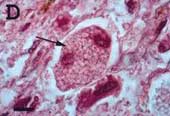
Panicillium marneffei infection is now considered to be one of the important indicators of recognition of an HIV-infected person turning into AIDS.

Counterfeit HIV drugs (ARV) have appeared in Hong Kong, since 2000 there have been counterfeit drugs in sub-Saharan African countries, China, Singapore and some countrie…
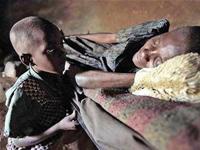
The number of AIDS patients treated in poor and developing countries has tripled in two years and by the end of 2005 reached more than 1.3 million people. That is the re…

HIV / AIDS is spreading rapidly in East Asia and the Pacific. However, children and young people are not included in the regional HIV / AIDS prevention program.
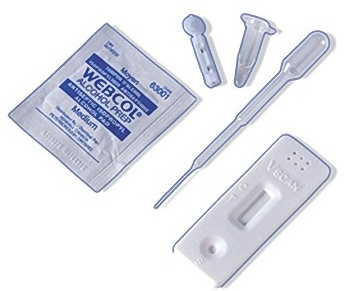
This rapid diagnostic tool for HIV / AIDS was developed by Kehua Biotechnology Company (China) with a simple test procedure but with fast and accurate diagnostic results…
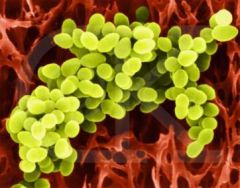
A friendly bacterium in yogurt will be used as a raw material to produce drugs to prevent HIV infection. Laboratory testing has shown new and inexpensive methods.

Scientists at Saint Louis University (USA) have discovered the molecular mechanism for HIV / AIDS virus to penetrate into healthy cells in the human body. Through resear…
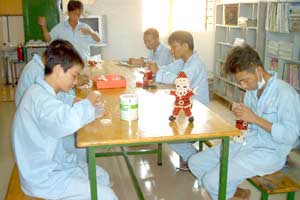
According to Dr. Chu Quoc Truong, the Traditional Traditional Medicine Hospital of Central Vietnam, damaged in the Oriental Medicine is an immunodeficiency condition, re…
According to the Ministry of Health estimates, every day more than 100 people are infected with HIV in Vietnam, and HIV infection has occurred in all 64 provinces. The n…