
Health
Caffeine in coffee can help with alcohol addiction
Coffee may help counteract some of the effects of alcohol on the brain and limit the risk of addiction.
Browse ScienceInfo articles and explainers related to Addiction.
132 published items.
Coffee may help counteract some of the effects of alcohol on the brain and limit the risk of addiction.

Bad habits can cause a domino effect, leaving you tired the next day and the days after, as if stuck in a state of perpetual sleepiness.
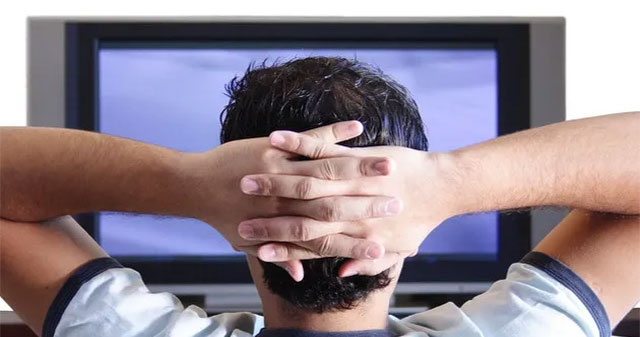
A review of a new study shows that binge-watching your favorite movie is bad for blood circulation.

Do you know all the harmful effects of heroin? Heroin was produced in 1898 in Germany and marketed as a medicine for tuberculosis.

To stay awake, many people have a habit of starting the day with a cup of coffee. In Canada, coffee is the second most consumed beverage, only water.
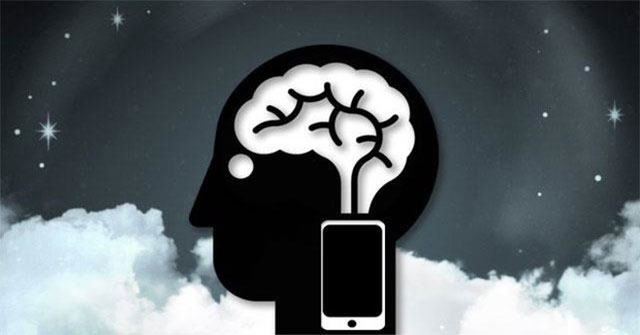
A statistic shows that 90% of students surveyed in the US admit to suffer from this syndrome.

About 20% of the world's population is addicted to food, which is especially true for overweight people. Food addicts also often have the same symptoms as those who are…

Sometimes we feel that having a sense of humor is a blessing, because it helps us connect with people faster.

From surfing social networks to watching videos and chatting with friends, many university students in Indonesia spend most of their time on mobile phones.

Large-scale British research found that white meat like chicken is not necessarily safer than red meat in cancer as people think.

Until now, exposure to many green environments, such as walking in the park or gardening has always been beneficial to human health, including lowering blood pressure.

If you want to know why you can eat a whole bunch of snack bags and other salty snacks, read this article.

Scientists predict, if using too many smart phones, humans in 2100 will develop thick, 4-eyelid skulls.

Addiction to sweets is the main cause of obesity and is becoming a common habit for many people, especially children.
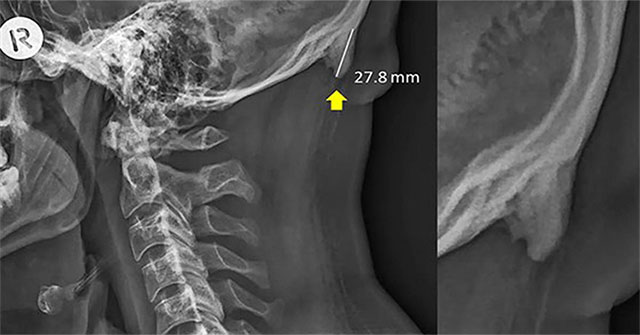
Using many smart phones and portable electronic devices makes small spines appear in the area behind the neck, near the skull.