Scientific application
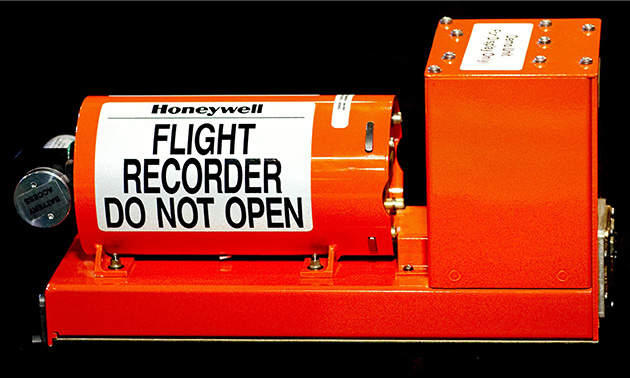
what the aircaft black box?
The black box is an automatic recorder that every plane must fly. It allows to detect the cause in case of an accident.
Browse ScienceInfo articles and explainers related to Aircraft.
1,304 published items.
The black box is an automatic recorder that every plane must fly. It allows to detect the cause in case of an accident.
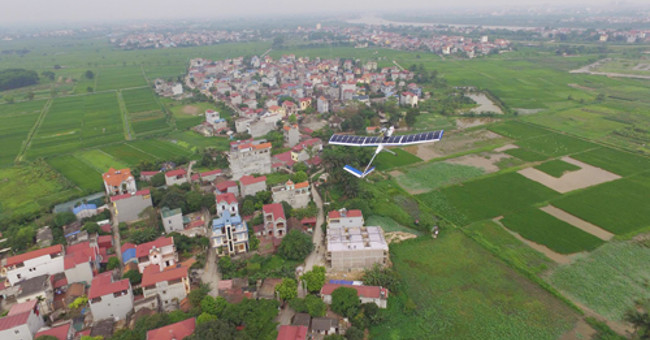
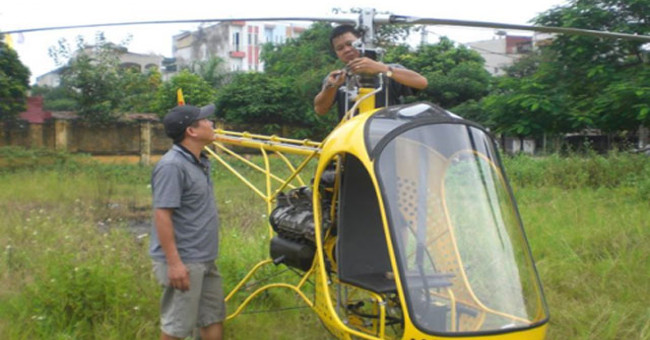
Recently many people have built self-made cars with bold imprints

When you go to a civil aviation airplane, someone will notice that the aircraft is not equipped with parachutes for both passengers and crew members.
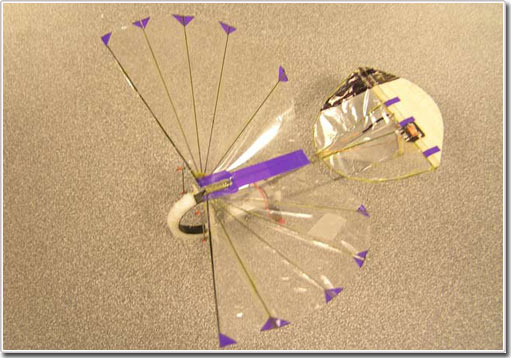
Even experts have to admit that there are many things that people do not understand about flight, and that is why animals are much better than our best aircraft.
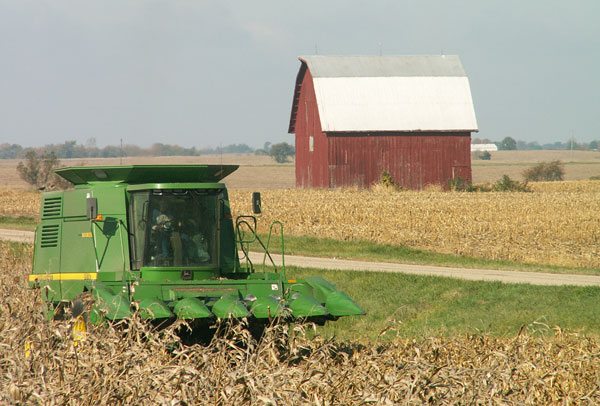
Farmers who receive excessive subsidies from the European Union (EU) or violate agricultural principles are most likely to be discovered through a camera in the sky.
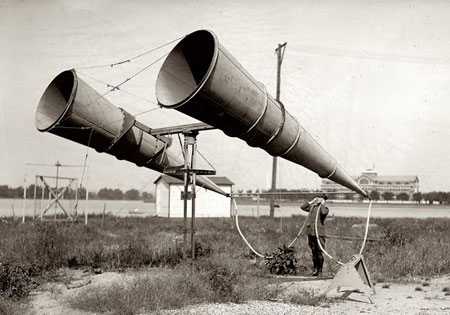
Before radar, how do people detect the appearance of aircraft in the sky, in addition to observing with the naked eye?
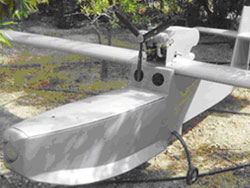
In bad weather conditions, especially severe sea storms, many fishermen stranded offshore need to be rescued. However, determining their position is very difficult.
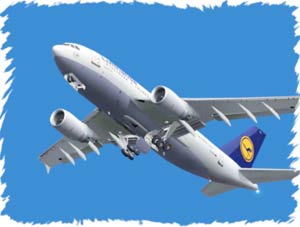
Two aircraft manufacturers Airbus and Boeing are racing to find a way to recycle their
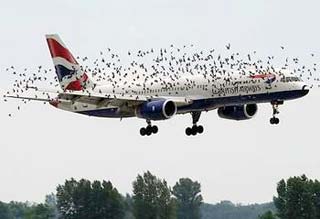
A seagull weighs a few pounds, and the plane weighs tens of tons. But when colliding, the aircraft has little chance of escaping. At Vietnam's Noi Bai airport, there wer…

The method of AeroMobile (UK) began to test to prove flight safety when passengers text or call on their device. Ground transceiver stations - the cause of interfering w…
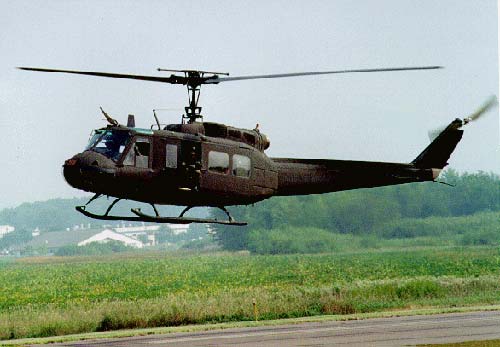
Although the use of spraying helicopters costs much more than the manual spraying method of farmers, but if comparing those costs with the results it brings as a result…
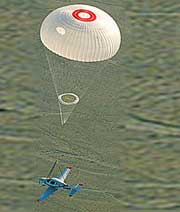
Small planes are becoming a popular means of transport in some countries around the world. These aircraft usually only fly in a limited range, so most pilots apply secur…
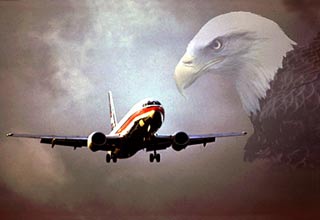
American scientists have developed a system capable of identifying birds based on their cries. This system can help fish
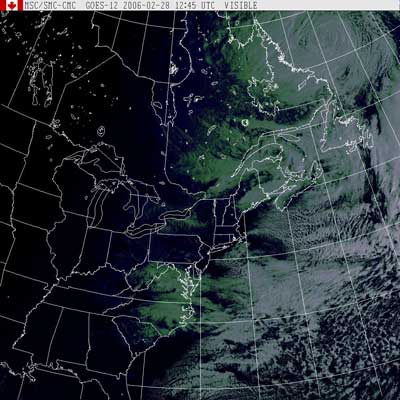
When airplanes fly in the sky they do not arbitrarily fly miscellaneous on it, but must fly according to the designated routes. But due to the very fast flight speed of…