Archeology
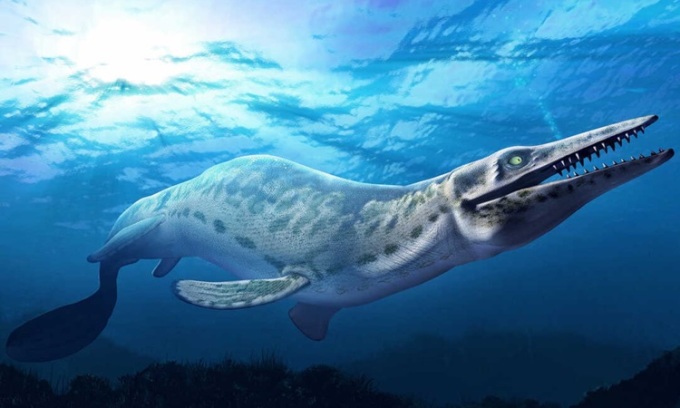
100 million year old fossil of cannibalistic mosasaur
A mosasaur fossil from Angola contained the remains of three other mosasaurs in its stomach, revealing the cannibalistic habits of the prehistoric ocean lord.
Browse ScienceInfo articles and explainers related to Angola.
15 published items.
A mosasaur fossil from Angola contained the remains of three other mosasaurs in its stomach, revealing the cannibalistic habits of the prehistoric ocean lord.
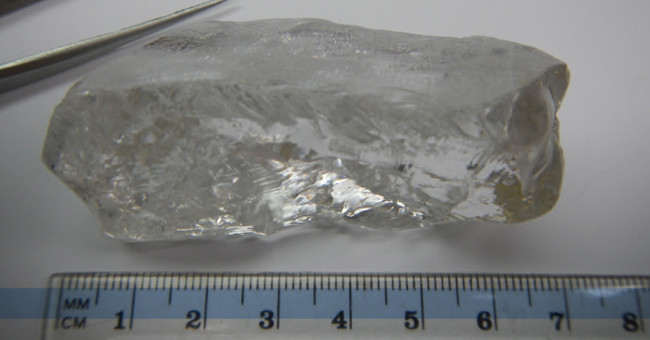
An Australian company has unearthed the diamond with the largest value in South African countries.
Recently, a strange creature like jellyfish but has countless
The image taken from the camera of the oil exploration device showed the bodies of four large marine animals crowded into a small strip of continental shelf off Angola.

Energia, Russia's leading spacecraft manufacturer, said on Dec. 27 that it lost contact with Angosat-1, Angola's first national satellite satellite.
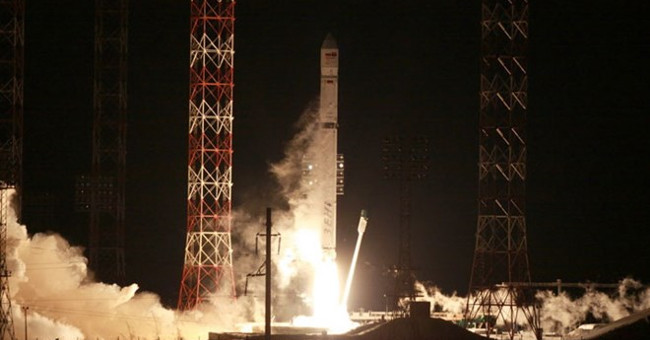
Energia's statement also said that based on information sent from satellites, Angosat-1's systems are working stably.

As the second largest forest in the world, only after Amazon (Brazil), Maiombe forest acts as one of the 'lungs of the world'.
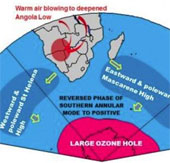
The loss of ozone in Antarctica may have caused the temperature in South Africa to increase in the past two decades.
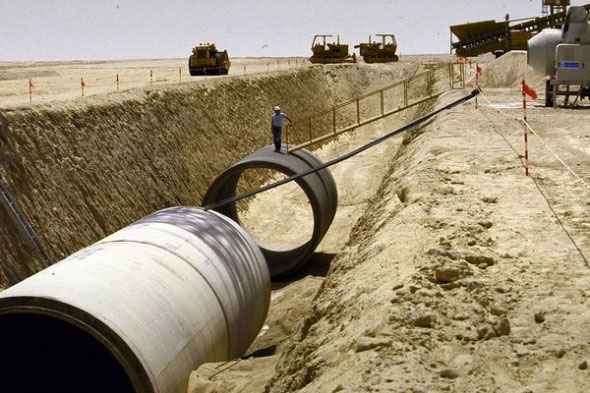
The newly discovered groundwater source, Ohangwena II, has been around for 10,000 years, flowing below the border between Angola and Namibia. This water source covers a…
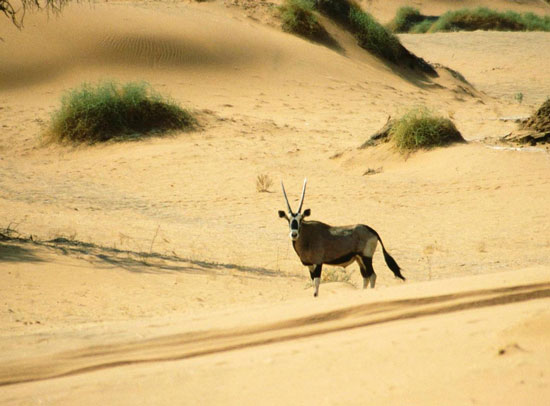
Located in the border between Namibia and southwestern Angola, with a dry and semi-arid condition lasting at least 55 million years, Namib is the world's oldest desert.
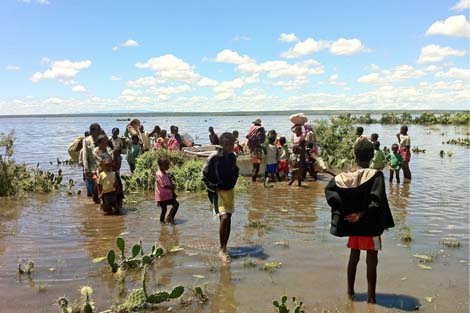
At least 30 people have been killed and many injured by widespread flooding after continuous heavy rains in Namibe and southwestern Angola.
According to studies conducted by French and Bolivian scientists, the ice sheets on the Mount Estonian do not store data like those found in Antarctic ice sheets. The co…
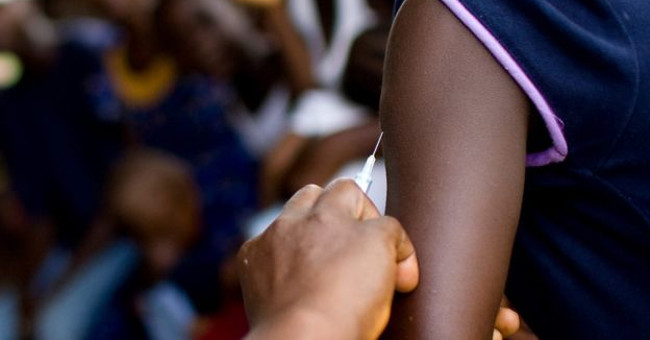
Experts warning the raging yellow fever epidemic in Angola could spark the global health crisis due to a shortage of vaccines.
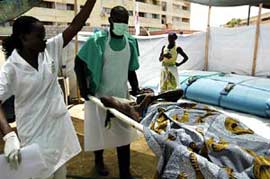
The World Health Organization (WHO) said last week that cholera outbreaks from mid-February to Angola have claimed 1,200 lives with more than 32,000 infections.
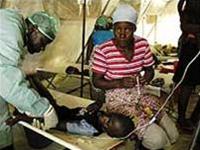
Cholera has killed 900 people in Angola in the past 10 weeks, with 25 people killed just this week, according to the Doctors Without Borders (MSF).