Space science
He prepares to search for the dead planet in Antarctica
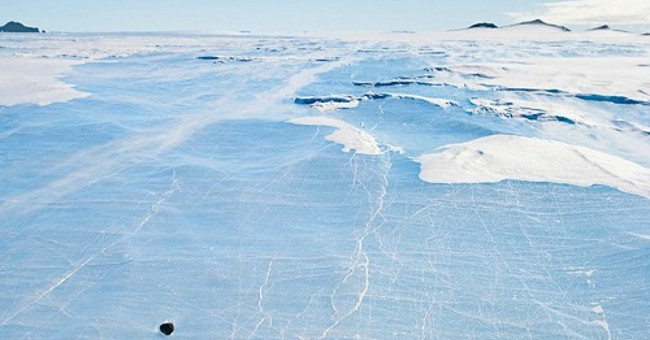
The British team plans to begin searching for Antarctic meteorites by 2020, to decipher the origin of the solar system.
Browse ScienceInfo articles and explainers related to Antarctica.
290 published items.
The British team plans to begin searching for Antarctic meteorites by 2020, to decipher the origin of the solar system.
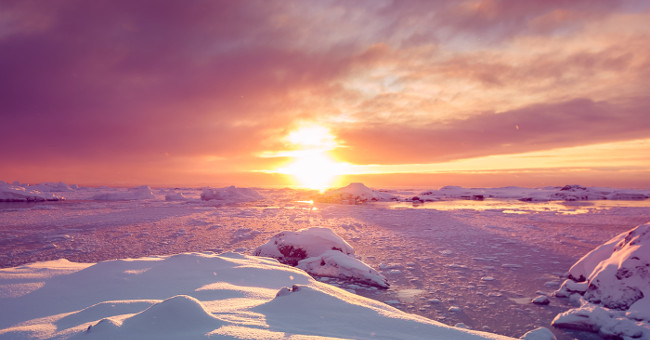
The iron meteorite layer beneath the surface of the Antarctic ice sheet can carry a lot of information about our solar system formation.
Chinese scientists built a telescope in the highest position in Antarctica in early 2012. This position is more than 4,000m above sea level. The main task of the glass i…
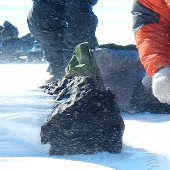
Vinciane Debaille, a geologist of the Free University of Brussels in Belgium, and Belgian and Japanese colleagues have used snowmobiles to find Antarctic meteorites for…
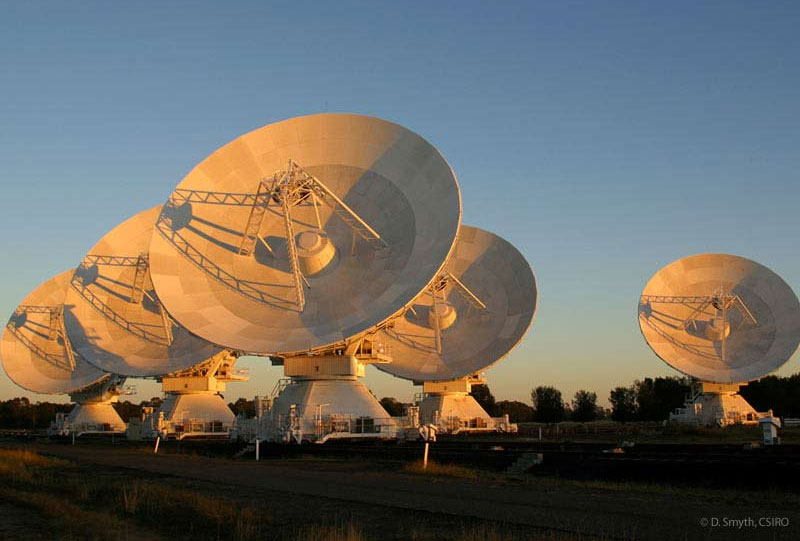
Researchers from China's 28th Antarctic team on April 18 said the country has completed the installation and testing of the Antarctic AST3-1 Exploration Telescope in thi…
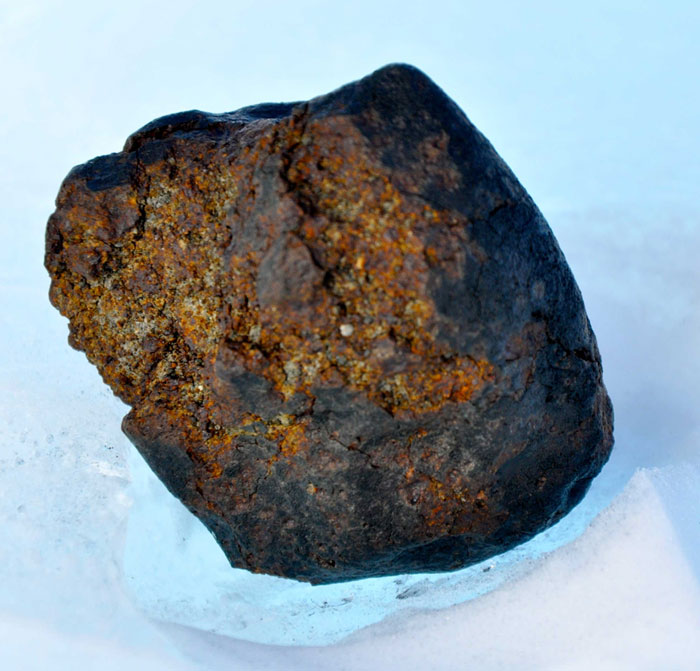
According to Yonhap on January 14, the team of 37 members of the Korea Polar Research Institute for the first time discovered meteorites in the mountains in Victoria Lan…

Japanese scientists have recently discovered four small meteorites in Antarctica while exploring the Sorcerer Rondane Mountains.
Researchers have looked at photos of trenches on the volcanic flank of Mars, which indicate that these trenches formed several hundred thousand years ago, in former glac…
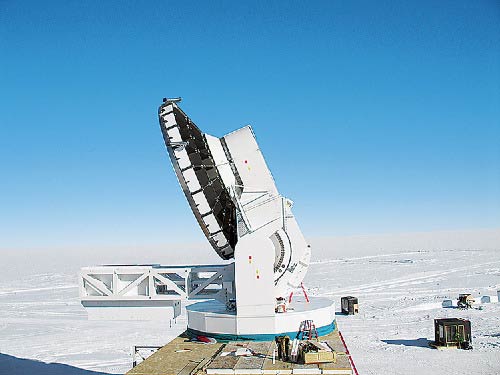
A telescope equipped with a mirror with a diameter of 10m has been placed in Antarctica to study the components of the universe. As a result of cooperation from many US…
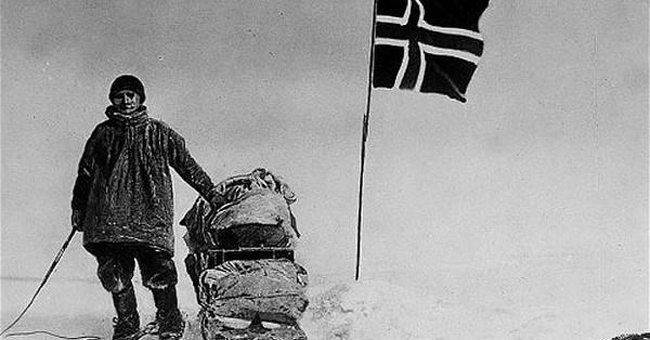
On December 14, 1911, the Norwegian expedition led by Roald Amundsen crossed the mist, cold with the cold wind and plugged the Norwegian flag onto the Antarctic land.

Based on reports after the expedition returned on June 18, 1930, the US Navy Command recognized Richard Evelyn Byrd as the first person to make a flight into Antarctic a…
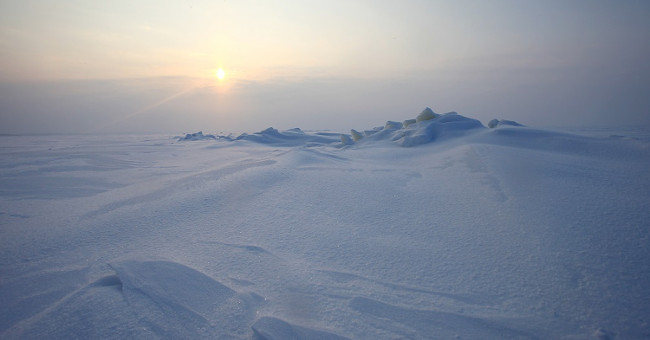
Newly discovered organisms can live on basic EAT with hydrogen, carbon monoxide and carbon dioxide.
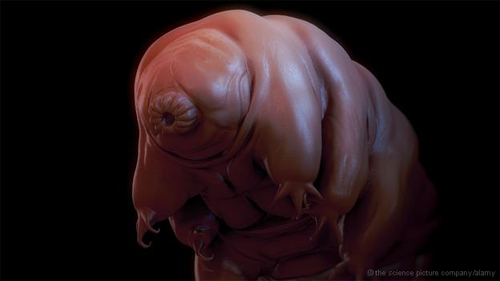
Tardigrade, an ancient creature present on Earth more than 500 million years ago, can survive and breed in harsh cosmic environments, despite the fact that space beams o…
Scientists discovered bacteria at a depth of 800m, below the Antarctic ice surface. This discovery raises hope, sees extraterrestrial life.
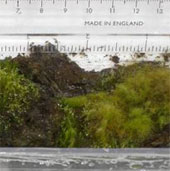
Scientists have successfully resurrected ancient mosses buried in Antarctic ice sheets for more than 1,500 years.