Environment
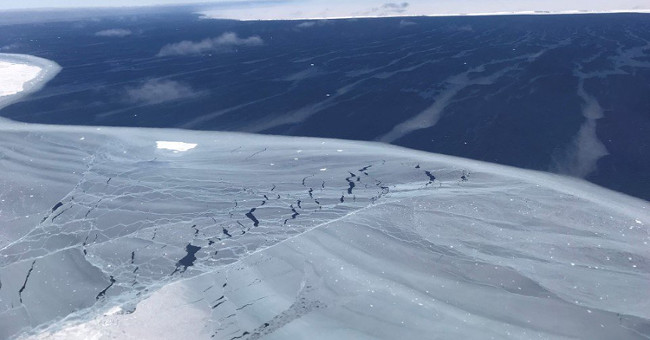
A close-up picture of a giant iceberg separated from Antarctica
NASA scientists have captured close-up images of a giant iceberg, separated from Antarctica last July.
Browse ScienceInfo articles and explainers related to Antarctica.
290 published items.
NASA scientists have captured close-up images of a giant iceberg, separated from Antarctica last July.
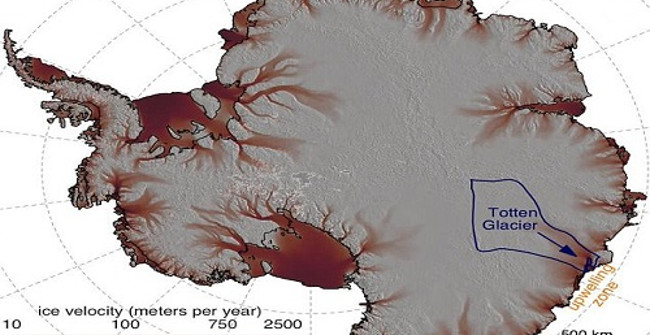
The Totten glacier on the eastern Antarctic ice sheet is melting from the bottom, threatening to raise the sea level by more than 3.4 meters.
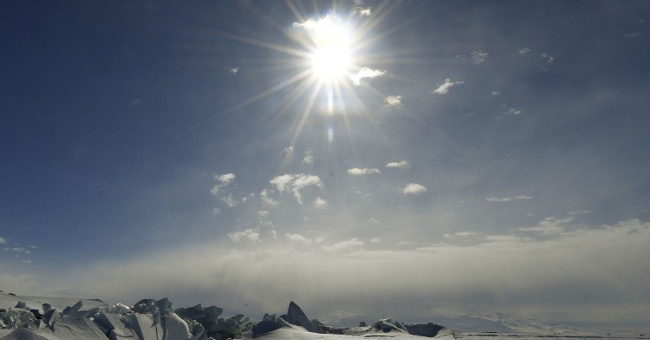
The ozone gap formed in Antarctica in September this year is the smallest sized hole monitored by scientists since 1988.
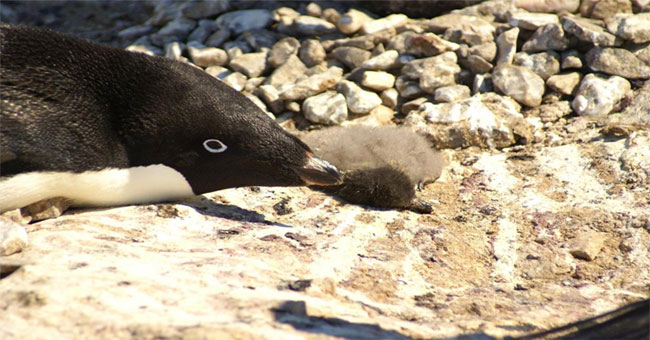
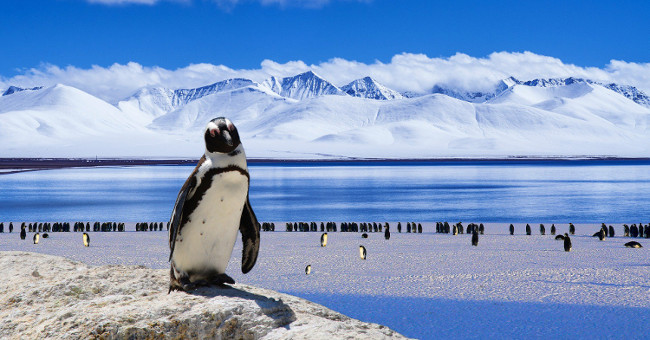
According to the BBC, the land of Terre Adelie, the territory of Adelie penguins, witnessed the deaths of more than 36,000 newborn penguins.
Although it only warms the surface water, this increase in temperature has caused it
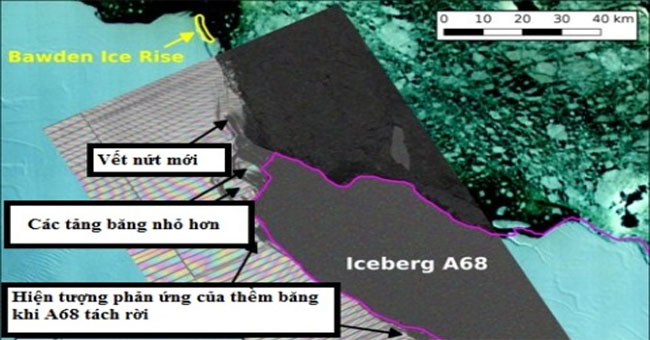
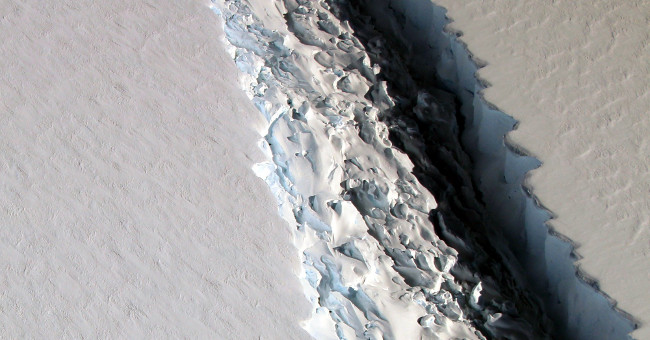
On July 18, scientists discovered a new crack extending north and could cause further damage to the ice shelf.
According to the latest information from the European Space Agency ESA, one of the largest icebergs in history is about to drift away from Antarctica.
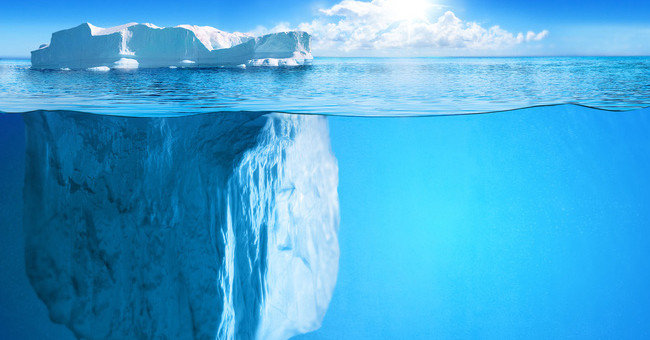
Weighing more than 1,000 billion tons, four times the size of London, the ice sheet has just separated from the Larsen C ice shelf on July 12 to become the largest icebe…
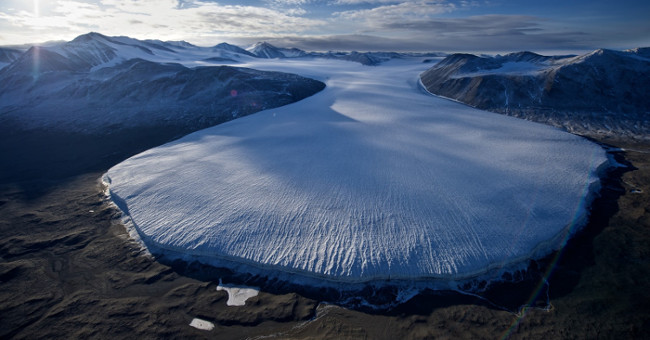
You have almost 2 million years, this harsh land - the driest desert in the world can not get a rain.
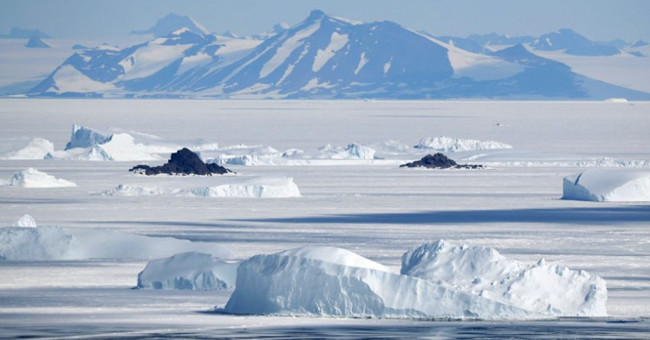
The green is gradually covering wider on the surface of Antarctica, which has never happened in the land all year round covered with this snow and white ice.
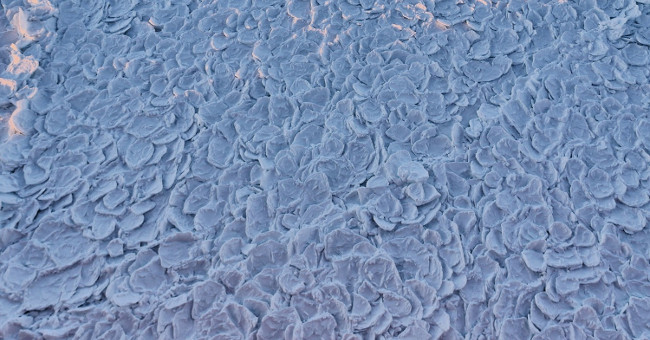
The strange phenomenon missing nearly 10 years in Antarctica suddenly appeared again and caused a stir. So, what is the last thing about dragon scales?
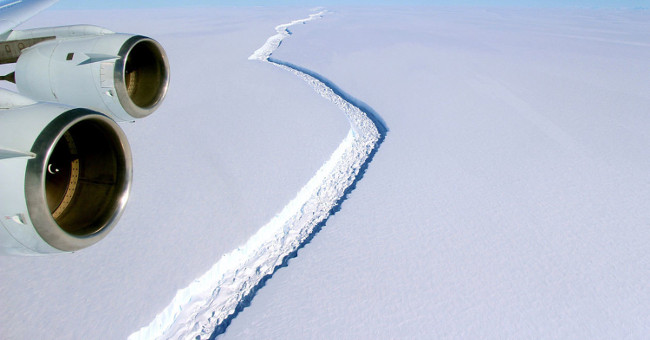
The largest iceberg ever discovered is only connected to the rest of Antarctica with 19km of ice, which can be detached at any time.
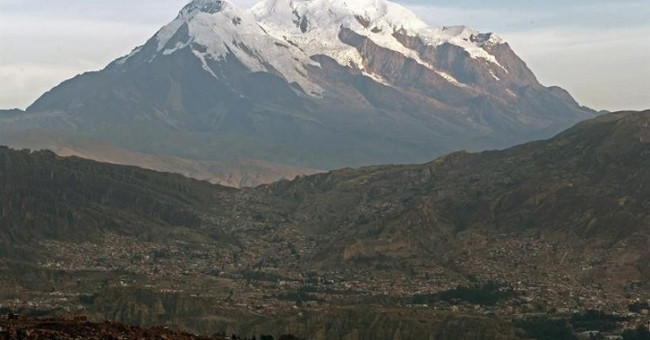
According to IRD director Patrick Ginot, the purpose of this project is to preserve those
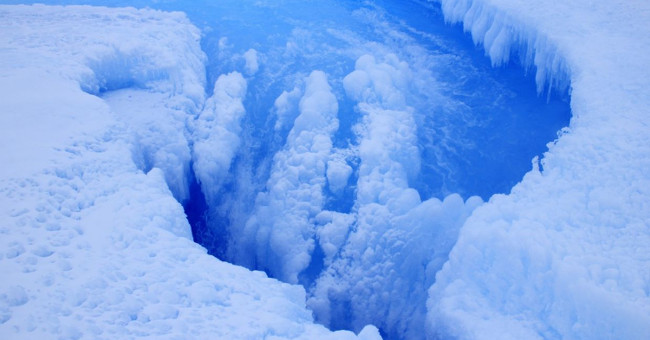
This is the largest ice hole discovered so far. Ice holes appear to show that a large amount of ice has melted and pushed global sea levels to high levels in the future.
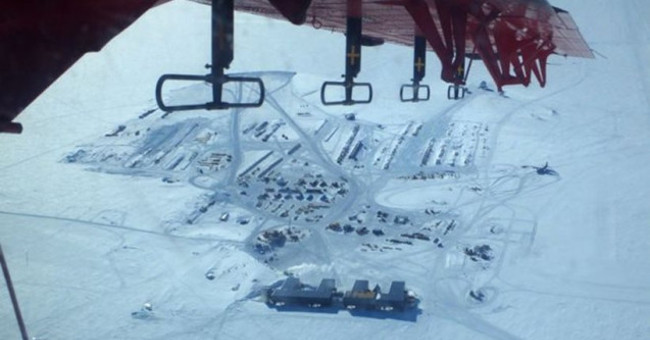
The PolarGAP project by European scientists has revealed new information about terrain and gravity in Antarctica, the world's coldest and most mysterious continent.