
Environment
Huge wormhole discovered at the bottom of the Arctic Ocean
Geologists have recorded the phenomenon of many large craters forming at an 'extraordinary' rate at the bottom of the Arctic Ocean, CNN reported on March 15.
Browse ScienceInfo articles and explainers related to Arctic.
779 published items.
Geologists have recorded the phenomenon of many large craters forming at an 'extraordinary' rate at the bottom of the Arctic Ocean, CNN reported on March 15.
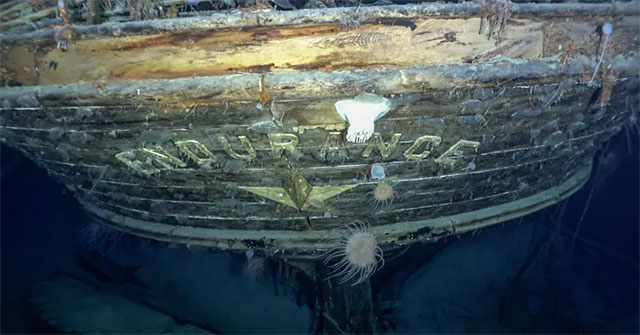
Overcoming the challenge of freezing temperatures, explorers located the wreck of the Endurance, the ship carrying explorer Ernest Shackleton that sank in the Antarctic…
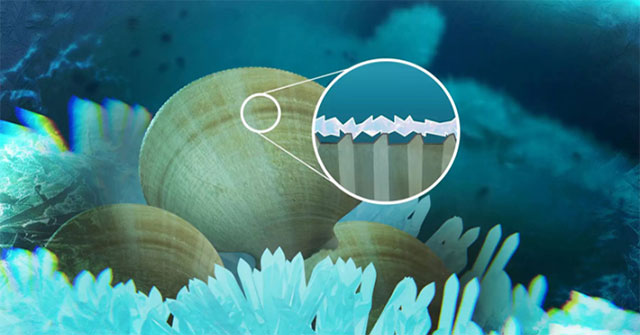
Thanks to a special shell structure with many small ridges, Antarctic scallops can survive in extremely cold environments.
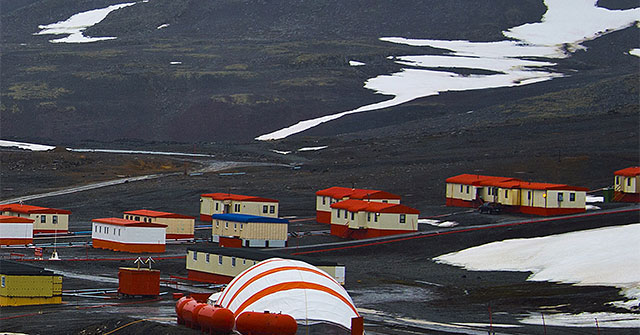
People can live with the appendix for life unless it becomes inflamed. However, one town in Antarctica has required prospective residents to have their appendix removed…
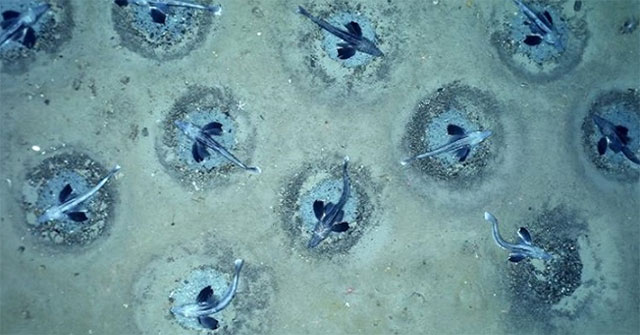
Researchers discovered a huge population of ice fish (notothenioids) in the Weddell Sea south of Antarctica in a report published January 13 in the journal Current Biolo…
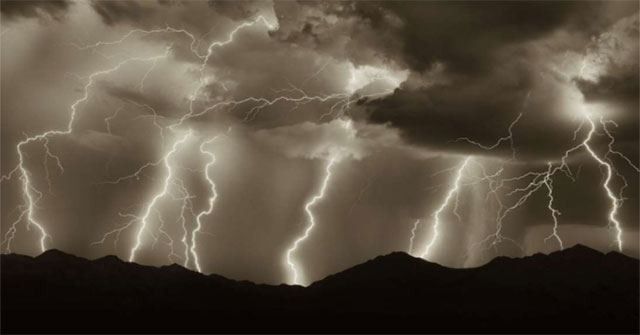
In 2021, the Arctic region saw 7,278 lightning bolts, twice as many as in the previous nine years combined. This is a rare phenomenon.
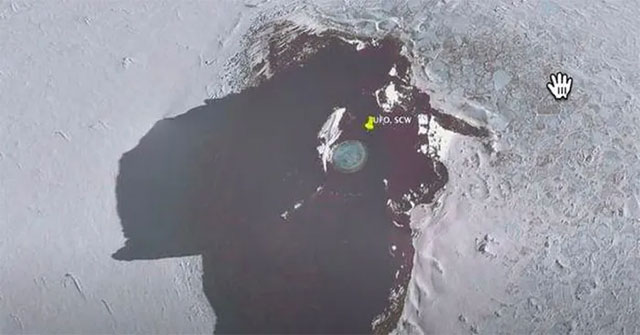
Through the Google Earth application, users discovered the mysterious disk in the broken ice in Antarctica.
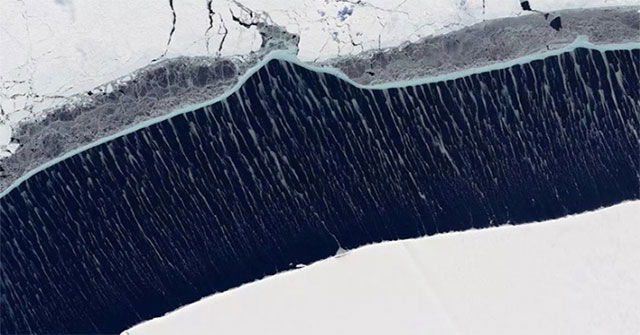
Strong winds and irregular ocean currents have created beautiful ice tentacles on the surface of the water in the middle of the Ronne Ice Shelf.
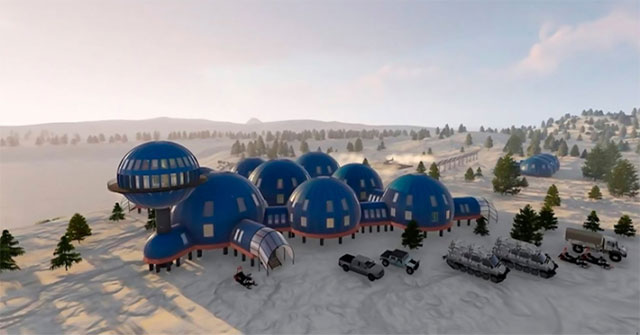
Scientists plan to build a year-round research station in the Arctic using a combination of wind, solar and hydrogen energy.
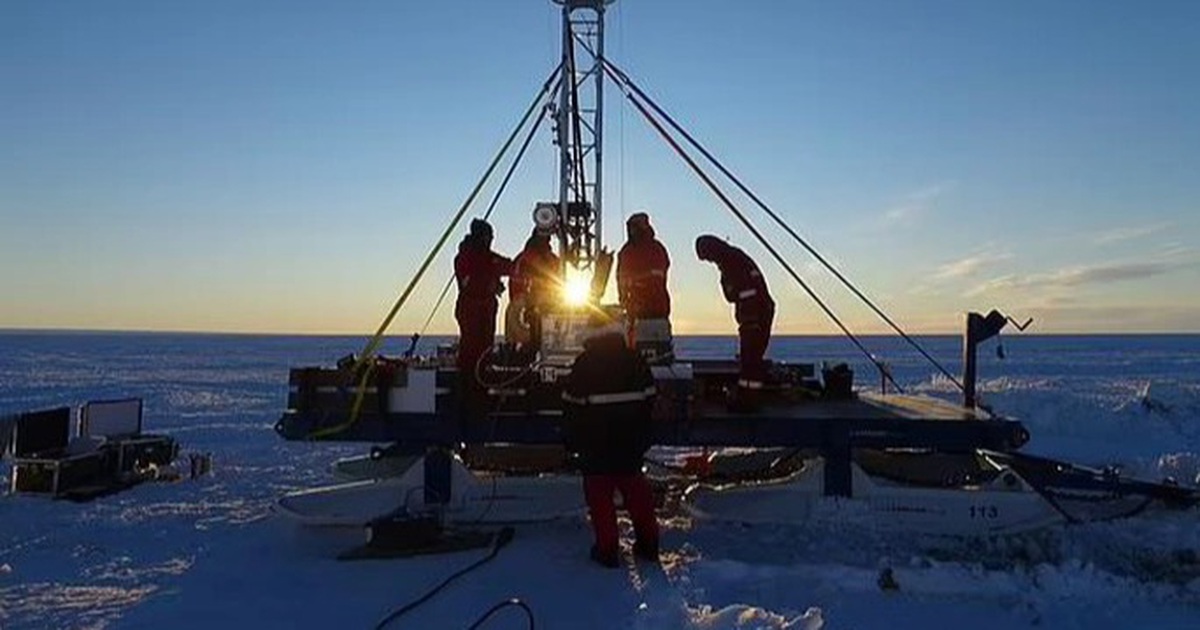
Scientists have found 77 species of anomalous creatures in the depths of Antarctica's Ekström ice shelf, which is thought to be dead land.
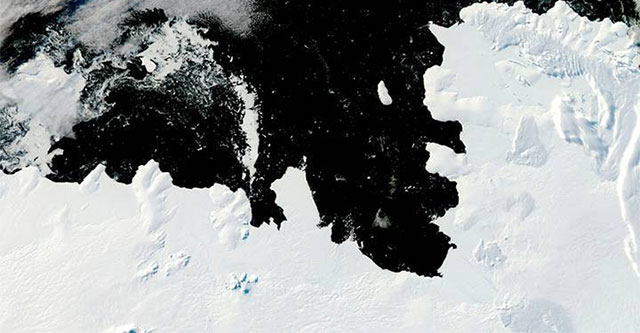
Scientists fear the Thwaites Glacier in Antarctica is fracturing and could shatter as easily as a car window.
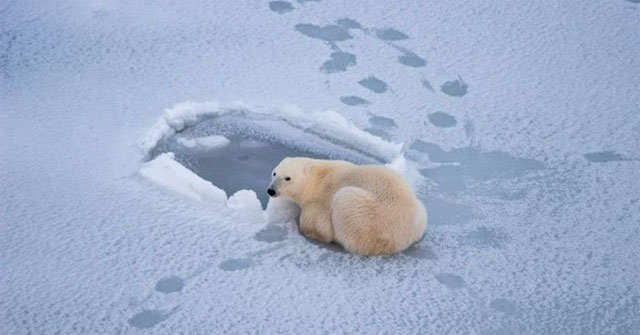
Many have cited the difference between the South Pole and the North Pole to demonstrate that polar bears are unsuited to the environmental conditions of Antarctica.
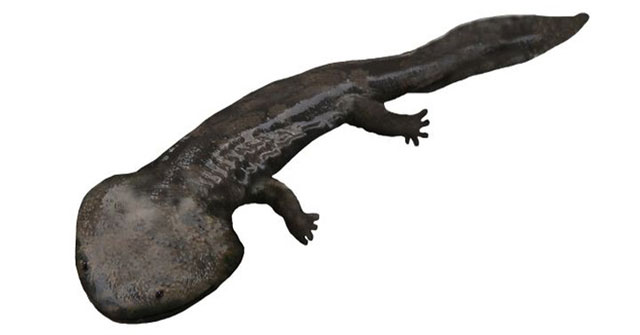
Today, the Chinese giant salamander is considered the largest species of salamander in the world as well as the largest amphibian, up to 180 cm long, but in the past, in…
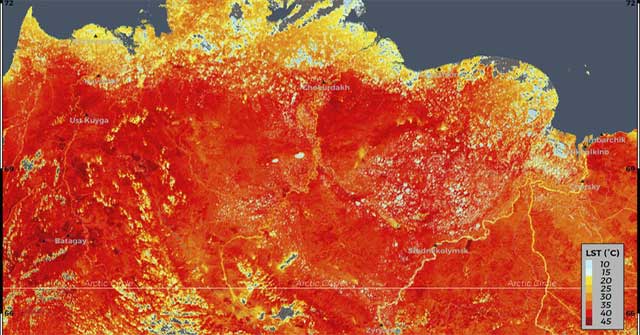
The AP posted that the Arctic temperature is constantly rising, causing scientists to worry about the consequences that the rest of the world will suffer.
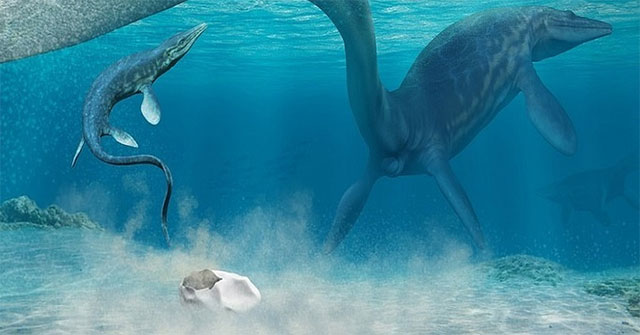
Geologists at the University of Texas found that the 28-centimeter egg belonged to a 7-meter-long sea monster that lived 66 million years ago in Antarctica.