Archeology
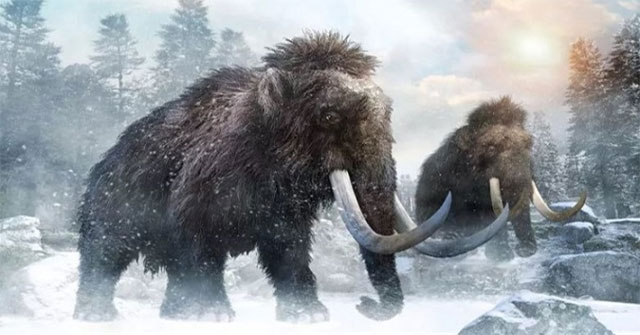
Researcher wants to release thousands of mammoths in the Arctic
Geneticist George Church is trying to revive the woolly mammoth that went extinct 4,000 years ago.
Browse ScienceInfo articles and explainers related to Arctic.
779 published items.
Geneticist George Church is trying to revive the woolly mammoth that went extinct 4,000 years ago.
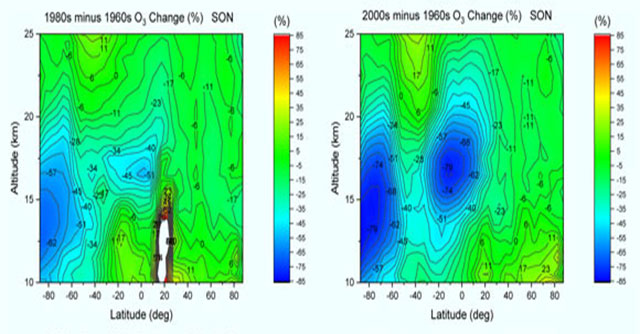
The Earth's ozone layer has appeared a new, extremely large hole, active all seasons in the lower stratosphere than the tropics.
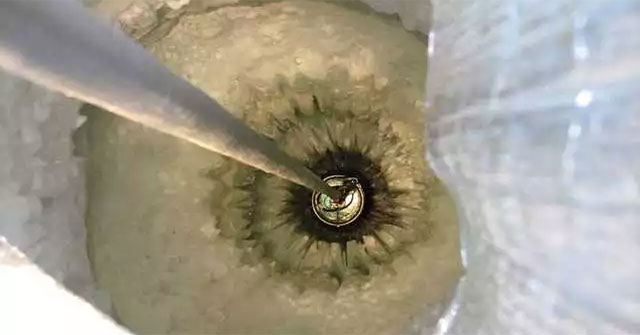
Solving the mysteries of Antarctica - the most challenging region on our planet - requires extensive international cooperation.
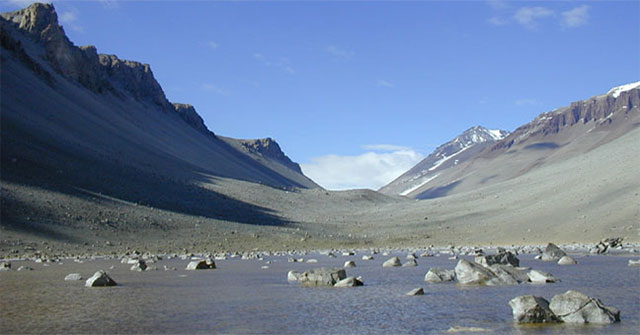
Scientists have always wondered that Lake Don Juan is in the coldest and driest part of Antarctica, but even though the temperature drops to minus 50 degrees Celsius, th…
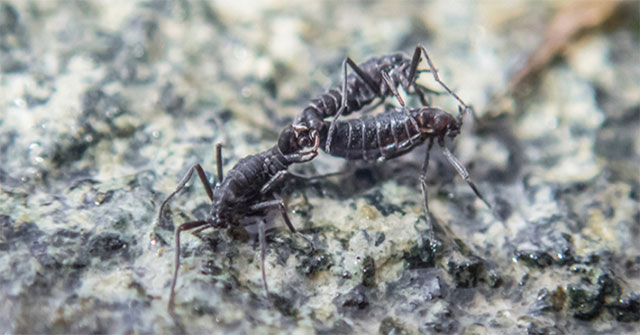
Simulations in the study showed that a 2°C rise in winter temperatures could reduce the survival of the Antarctic midges.

Scientists say this Antarctic ice fish can only live in cold water that cannot exceed 5 degrees Celsius.
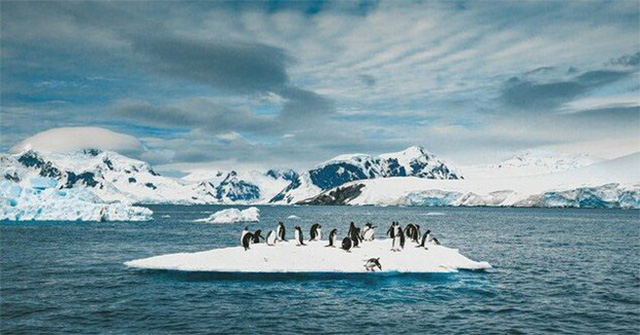
Climate change is having an extremely negative impact on the melting of Antarctic ice.
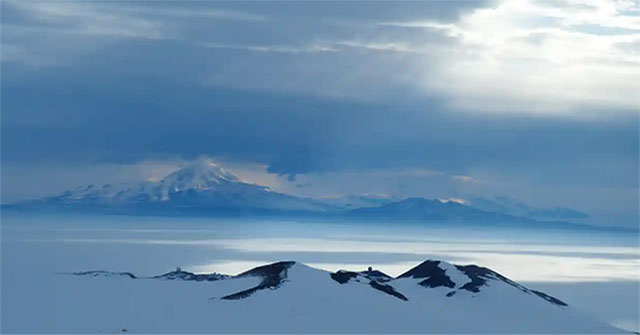
Recently, microplastics have been found for the first time in snowfall in Antarctica. This could accelerate the thaw and pose a threat to the continent's unique ecosyste…

Scientists in New Zealand have discovered an underground ecosystem hidden 500m under Antarctica's largest ice shelf.

Antarctic bacteria contain genes that give them natural antibiotic and antibiotic resistance, and the ability to spread beyond the polar regions.
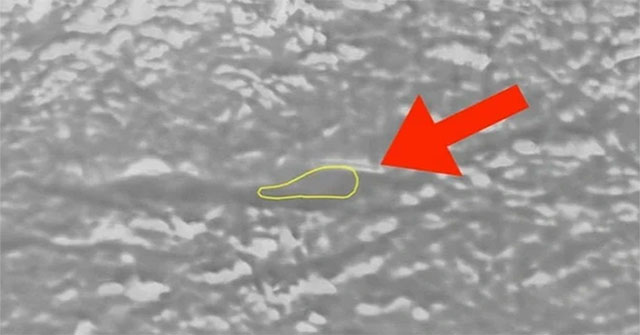
The secrets beneath the ice in Antarctica are gradually being revealed by science.
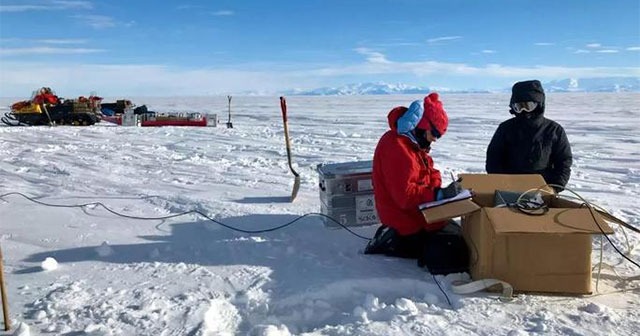
According to Live Science, it's a vast ocean aquifer that may have been sealed off from the outside world for thousands of years.

Two Chinese icebreakers have returned to Shanghai one by one, ending the country's 38th Antarctic expedition.
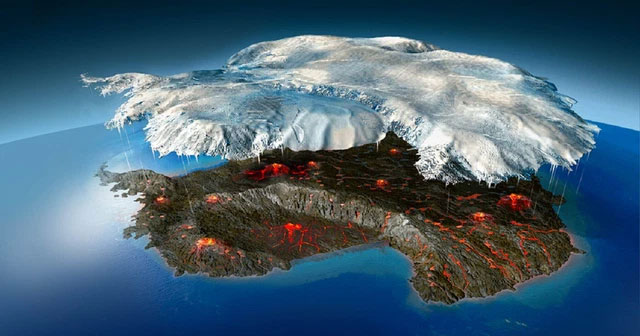
Not many people know that more than 138 volcanoes are hiding beneath the frozen wastelands of Antarctica.
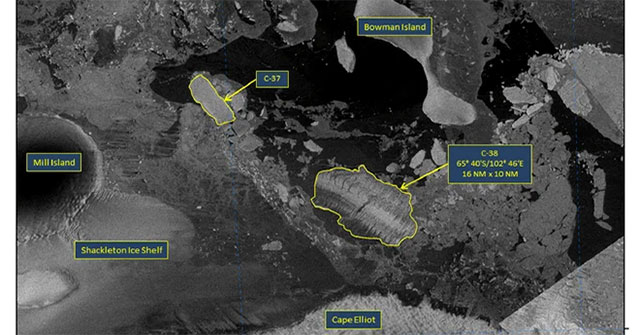
The NASA scientist said the complete collapse of the Conger ice shelf during a time of unusually high temperatures was 'a sign of what might be to come'.