Medicine - Health
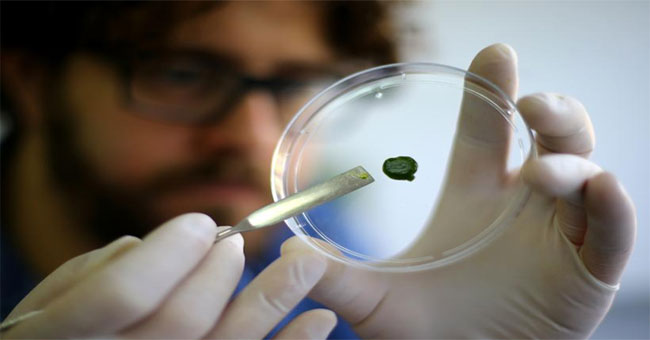
Artificial skin from microalgae, provides oxygen to help wounds heal
New skin types from microalgae, often found in rivers, streams, and lakes, can photosynthesize and produce oxygen, thereby regenerating damaged skin areas.
Browse ScienceInfo articles and explainers related to Artificial.
1,558 published items.
New skin types from microalgae, often found in rivers, streams, and lakes, can photosynthesize and produce oxygen, thereby regenerating damaged skin areas.
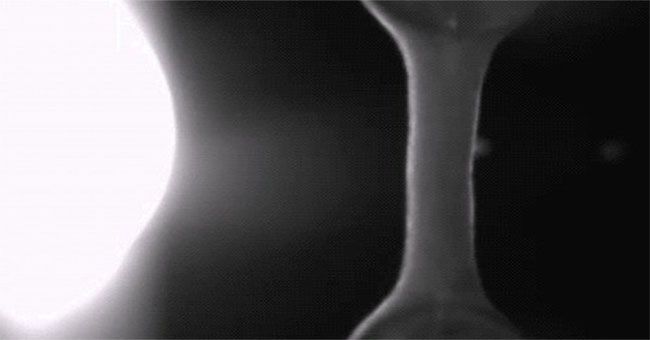
Each beat of this heart tissue is the same as true heart tissue.
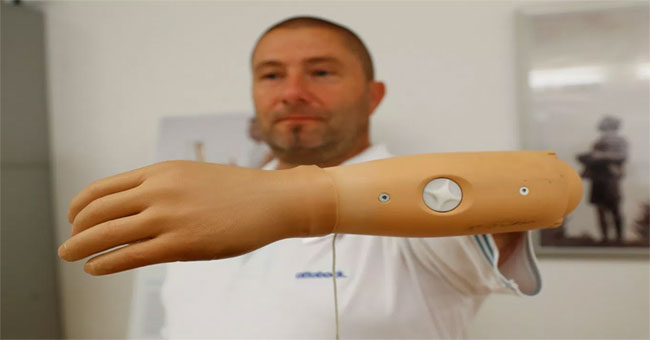
Austrian scientists have introduced a prosthetic arm that can be controlled by thought, bringing new perspectives to people with disabilities.
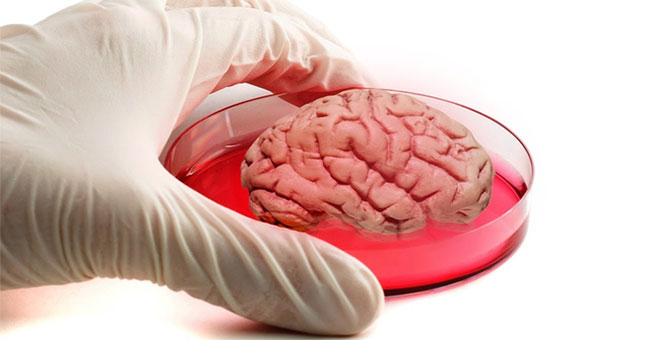
A group of biologists from Tufts University in the United States say they can create mini brains that live up to nine months in vitro, just from silk, a mixture of prote…
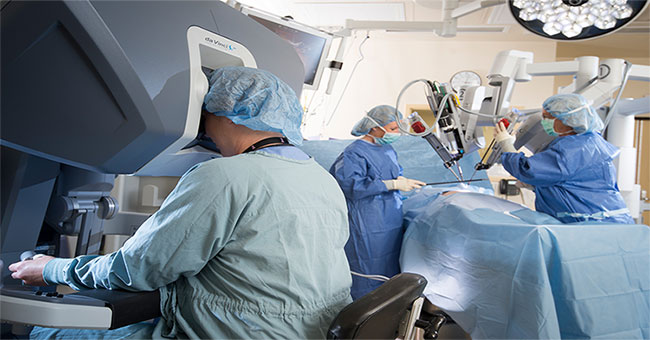
Thanks to artificial intelligence (AI), robots use data from previous surgeries to inform new technology, causing less complications.

According to research, the intestinal bacteria system plays an important role in human metabolism, and artificial sweeteners can affect host health.
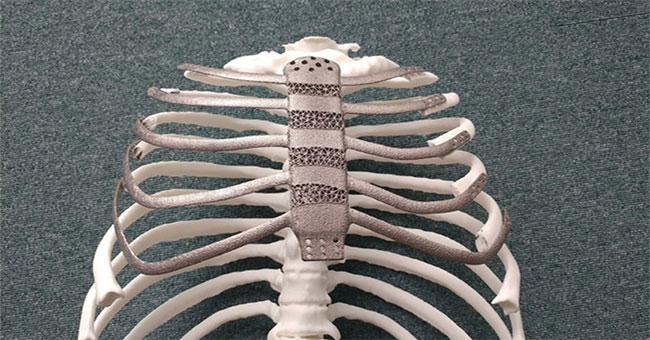
The Chungang University Hospital in Korea said it has created artificial breast and rib bones with 3D printing technology and implanted patients, reconstructing the ches…
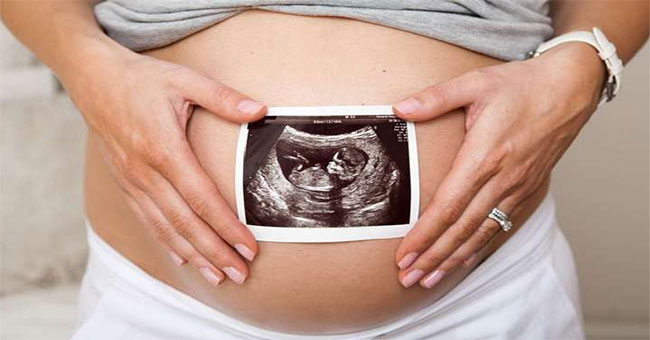
In 1924, an eccentric biologist named JBS Haldane predicted that more than 70% of babies would be created from artificial wombs in 2074.
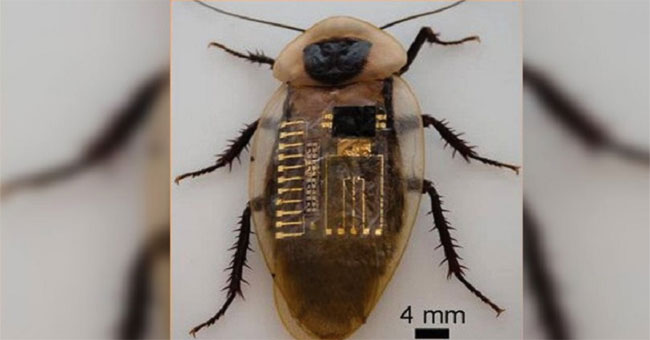
For the first time in the world, researchers have simulated the complexity of the human sensory nervous system to create artificial nerves that transmit sensory informat…

The journey to find a grandson from the rest of his son's death from a motorbike accident is causing mixed opinion from experts and people.

Seven embryos, three miscarriages and 1,616 injections lasting four years, the family of O 'Neills happily welcomed London's daughter.


The taste is described by 5 basic words you learned at the elementary level, including sweet, sour, bitter, salty and umami (sweet taste - borrowed from Japanese umami).
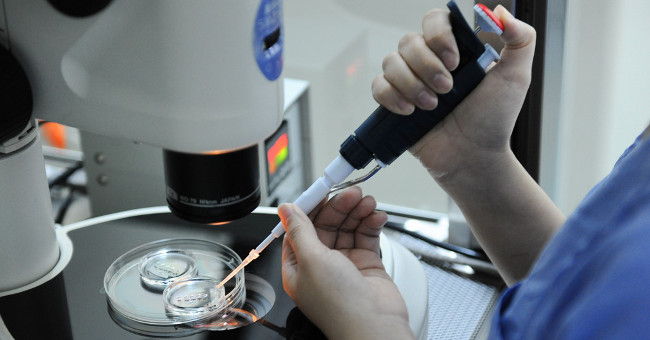
In vitro fertilization (IVF) is the lifeline for couples with reproductive health problems. However, not everyone knows how this method is implemented.
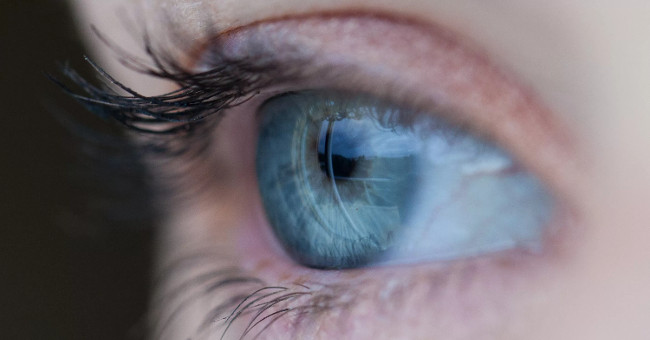
For the first time, researchers used human cells to create an eye model equipped with artificial eyelids that could mimic blinking movements.