Space science
Newly stunned detection on dwarf planet Ceres
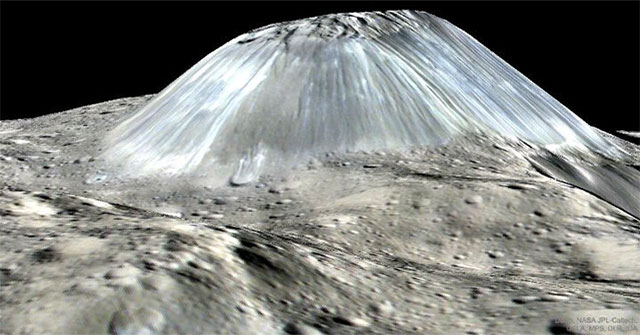
NASA has revealed the surface image of an extraordinary mountain on the dwarf planet Ceres. The space agency said it 'is like nothing humans have seen before'.
Browse ScienceInfo articles and explainers related to Asteroid.
564 published items.
NASA has revealed the surface image of an extraordinary mountain on the dwarf planet Ceres. The space agency said it 'is like nothing humans have seen before'.
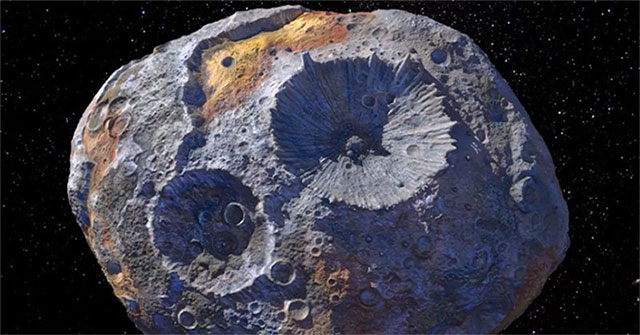
The metal planet being planned by the US space research center to conquer in the next few years a plan will cost a lot of money.
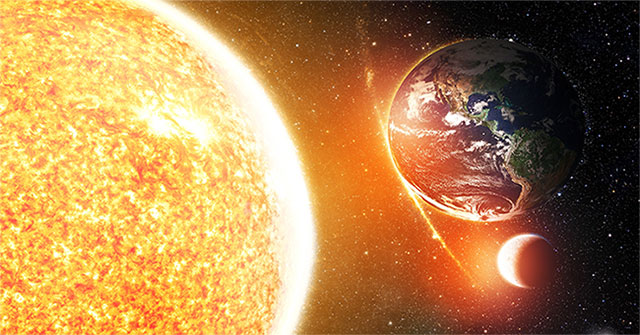
People in the future will have to develop a plan to shift the orbit of the earth to avoid the predicted solar boom. Meanwhile, the position of Mars is suitable for life.
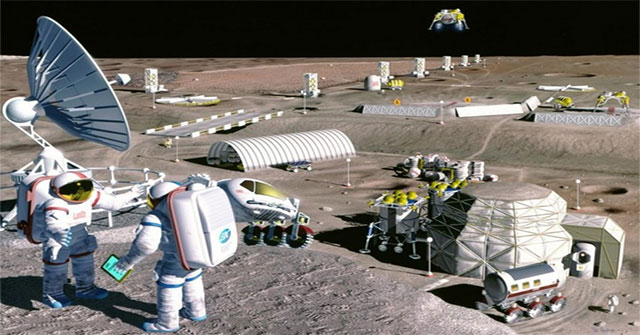
The scientific community has warned about the plan to exploit resources outside the universe, especially the minerals in the solar system of many companies, because the…
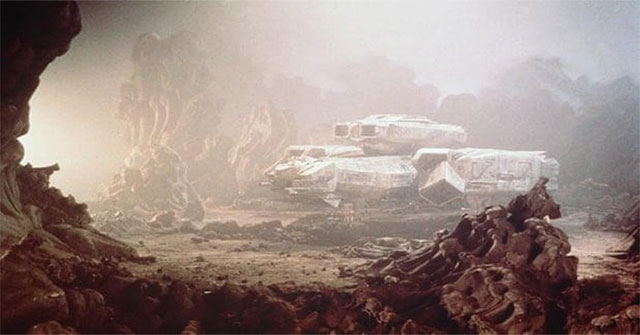
Scientists propose to preserve more than 85% of the solar system due to concerns that people will clean up gold and other resources in the system in just 400 years.
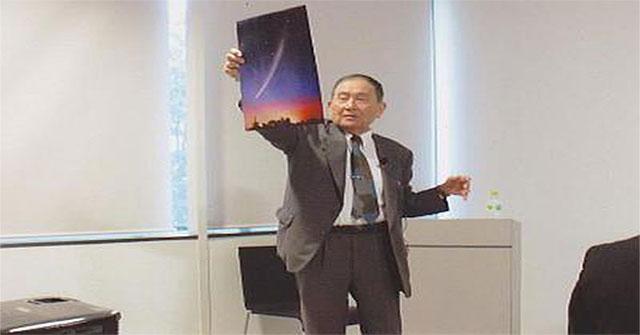
Tsutomu Seki astronomer living in Kochi, Japan decided to name an asteroid that he found three decades ago as 'Reiwa' - coinciding with the country's new era.
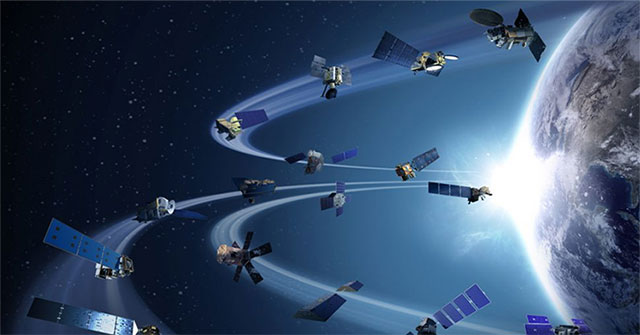
NASA revealed details in a plan to attack a Moon-type asteroid in a dual-asteroid system by spacecraft in 2022.
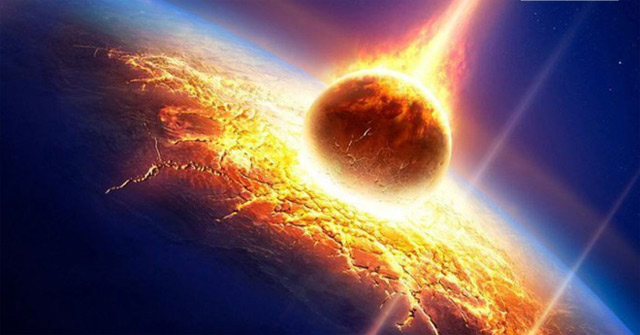
Giant meteorite attacks the Earth unexpectedly: This is the risk from the space that makes the science world
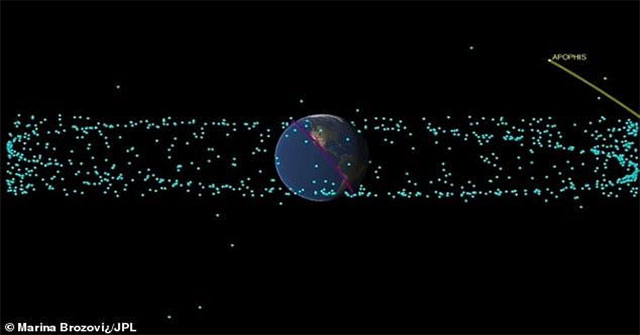
According to the latest data from the US Space and Aeronautics Agency (NASA), the Earth will meet a 335-meter asteroid in 2029, an event that excited the scientific comm…
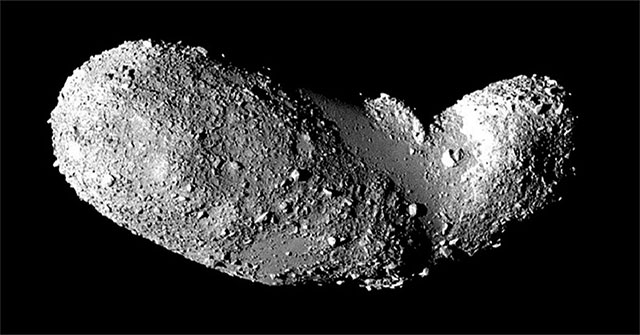
Evidence of water is found on dust particles from Itokawa asteroid 25143 thanks to laboratory analyzes.
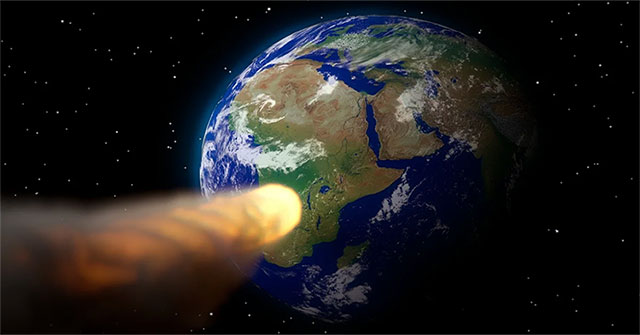
NASA's asteroid tracker at the California Jet Engine Laboratory (JPL) has revealed a spectacular escape of the earth.
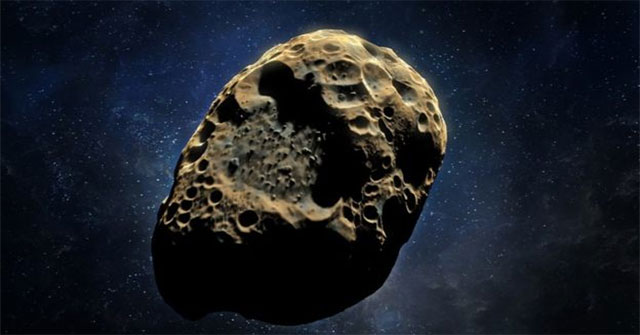
This is a real project and scientists are really discovering how to build a space station inside an asteroid.
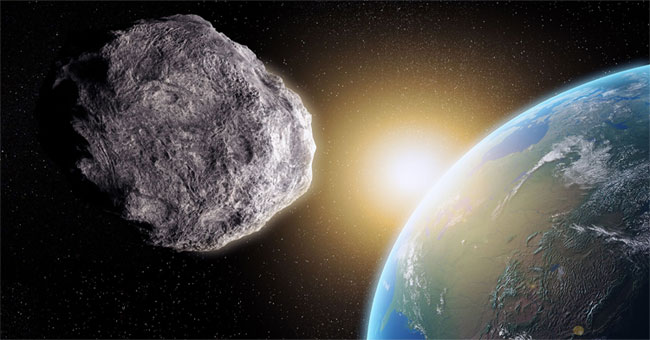
According to new data released from NASA, from now until 9 January 2019, there will be 9 asteroids
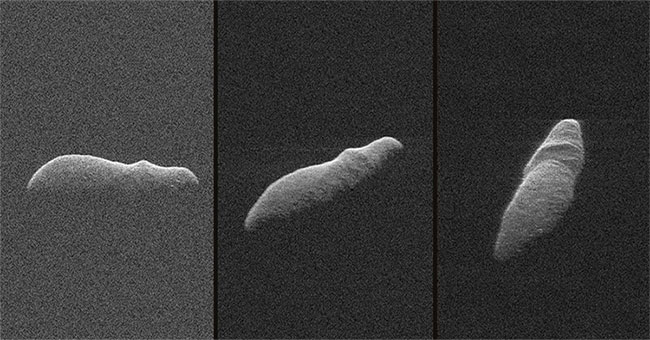
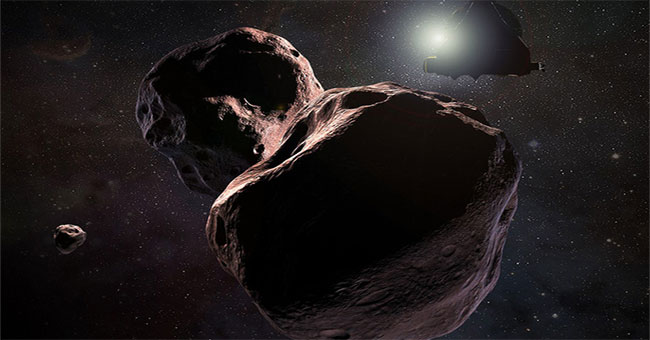
The asteroid picked up NASA in accordance with the nickname they called it - Ultima Thule,