Space science
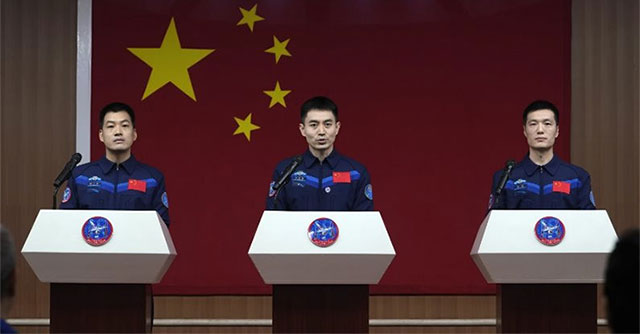
China sent a new group of astronauts to the Thien Cung space station
China will send a new crew to the Tiangong space station, the latest mission in the program to send astronauts to the Moon by 2030.
Browse ScienceInfo articles and explainers related to Astronaut.
1,389 published items.
China will send a new crew to the Tiangong space station, the latest mission in the program to send astronauts to the Moon by 2030.
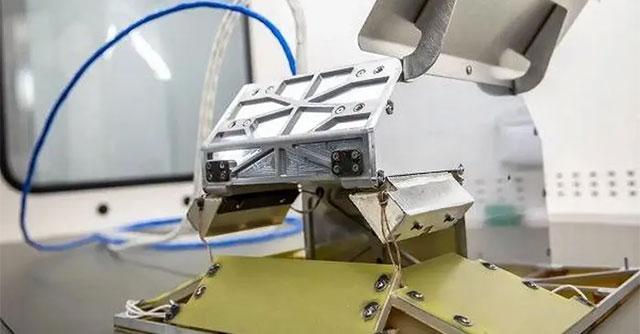
The research team at NASA's Kennedy Space Center (USA) is thinking of many creative methods to apply Electrodynamic Dust Shield (ESD) technology.
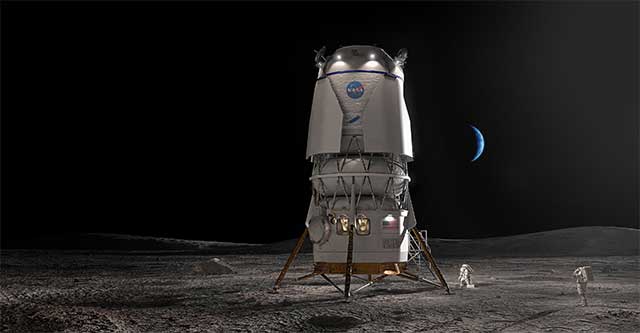
US President Joe Biden on April 10 once again affirmed his plan to send the first Japanese astronaut to the Moon within the framework of the Artemis lunar exploration pr…
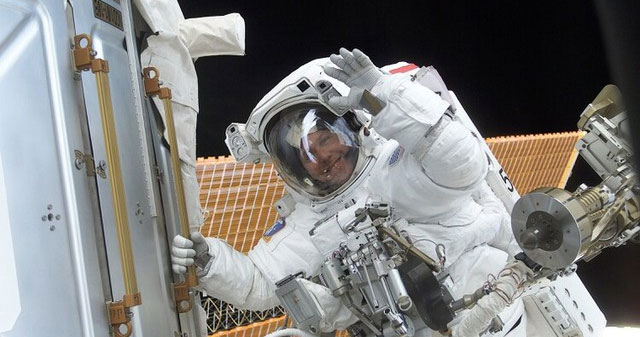
Rather than being overwhelmed or excited, the emotion of astronauts in space is often fear.
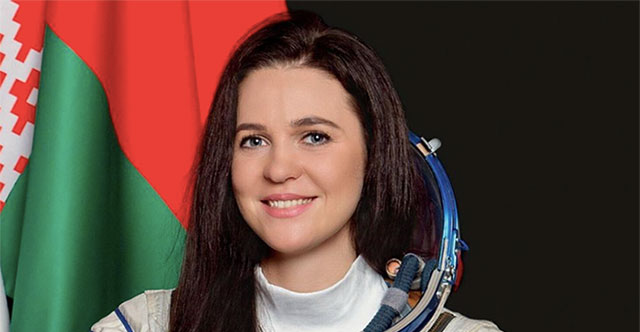
The Soyuz MS-24 spacecraft carried Russian cosmonaut Oleg Novitsky, NASA astronaut Loral O'Hara and Belarusian cosmonaut Marina Vasilevskaya.

Vladimir Komarov was an exceptionally talented Soviet cosmonaut. But he is best remembered for his death, with the nickname 'the man who fell from space'.

Astronauts in the Artemis 5 Mission Program are expected to drive the Lunar Rover on the Moon for the first time in 2030.
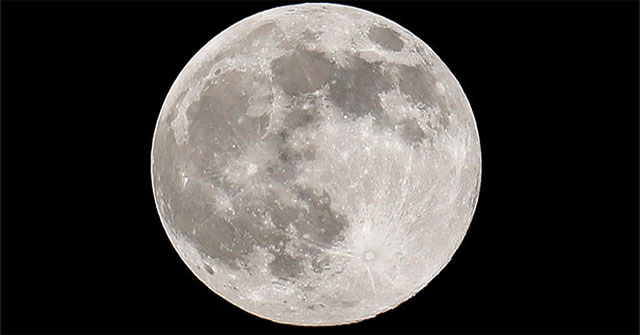
The head of the White House Office of Science and Technology Policy (OSTP) has proposed to NASA a plan to establish Lunar Time Coordination (LTC) by the end of 2026.
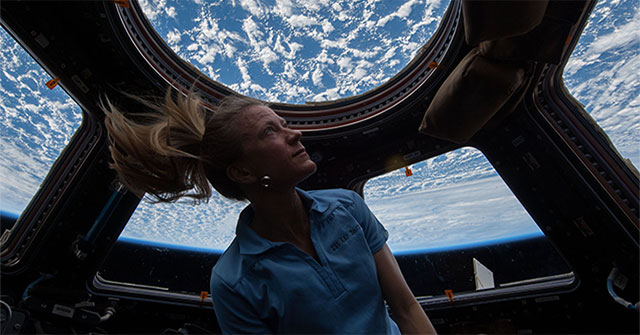
Humans sense position and movement on the ground based on the condition of Earth's gravity. In zero-gravity space, will that sensory nerve be altered, warping perception?

Amanda Nguyen's trip to space is part of the Citizen Astronaut program of the non-profit organization Space For Humanity, according to information shared by this organiz…
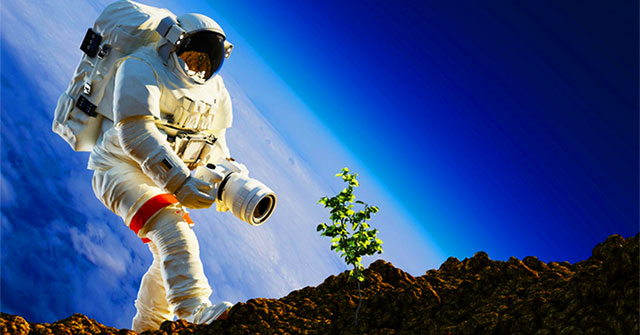
Research on plant growth is one of three experiments that Artemis 3 Program astronauts plan to deploy on the Moon.
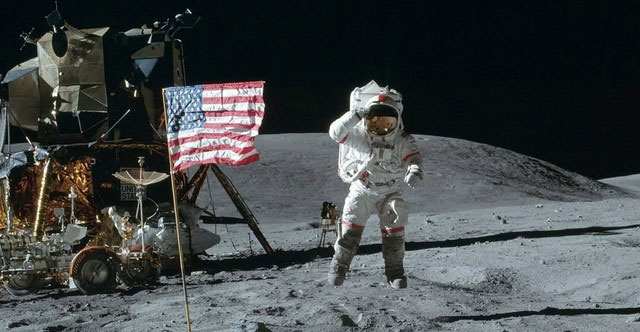
In the history of human space exploration, the Apollo program is certainly a glorious chapter.
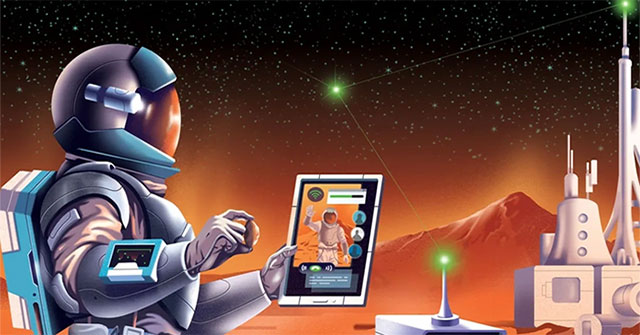
Although we have not yet been able to set foot on Mars, our ambitions on this planet are undeniable.
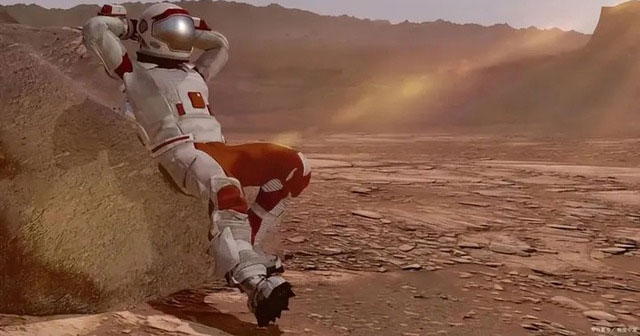
Whether they are scientists, astronauts or ordinary people, they are all deeply attracted to the red planet.
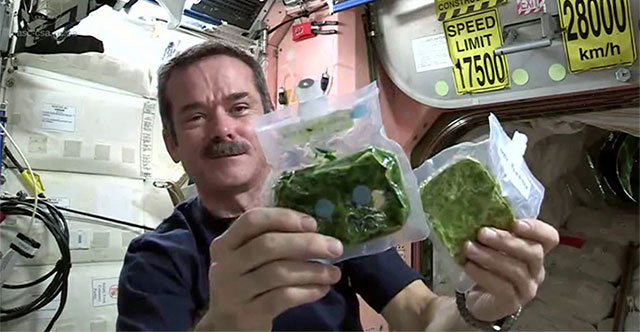
Astronauts must use dry and pre-packaged food to maintain operations. These meals are carefully planned to provide nutrients.