Space science
Detecting planets that have life outside the Solar System
Astronomers have found the first evidence of life-like planets outside the Solar System.
Browse ScienceInfo articles and explainers related to Astronomer.
968 published items.
Astronomers have found the first evidence of life-like planets outside the Solar System.
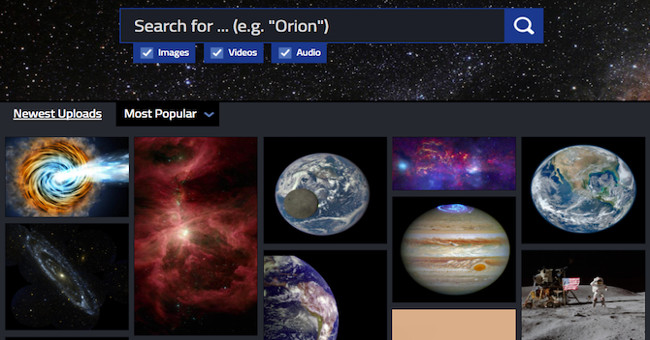
People with special interest in these scientific studies should probably not ignore the five interesting sites below as suggested by MakeUseOf.
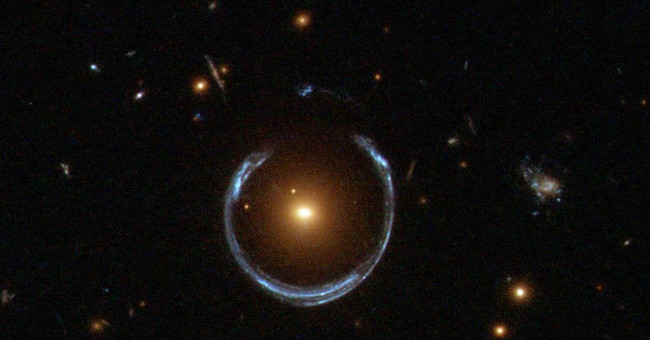
A team of astronomers from the universities of Groningen, Naples and Bonn developed a new method to find attractive lenses.
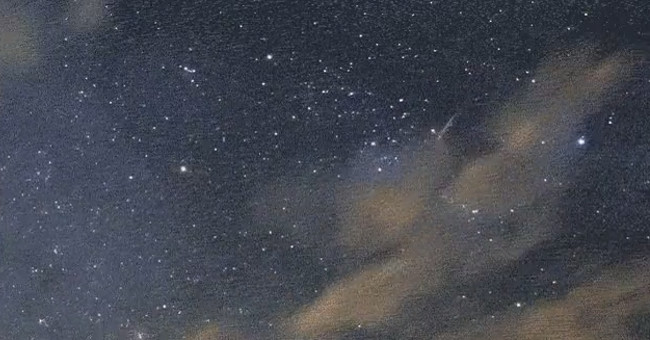
The moment a shooting star rushes through the Orion Belt that many astronomers love in Japan, Strange Sounds reports on November 4.
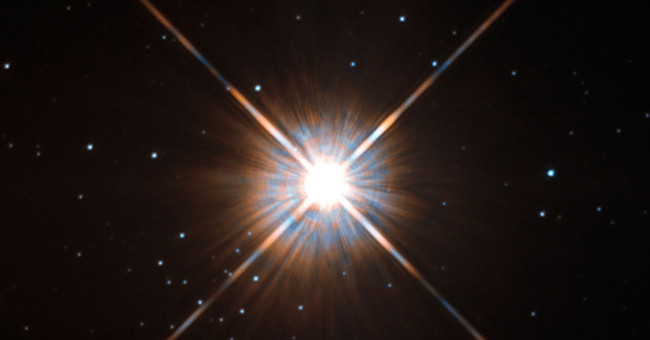
A team of astronomers discovered traces of clouds formed from cold cosmic dust surrounding the planet Proxima b discovered in 2016.

An international team of researchers identified a star that exploded many times in 50 years, challenging all human knowledge of the process of dying.
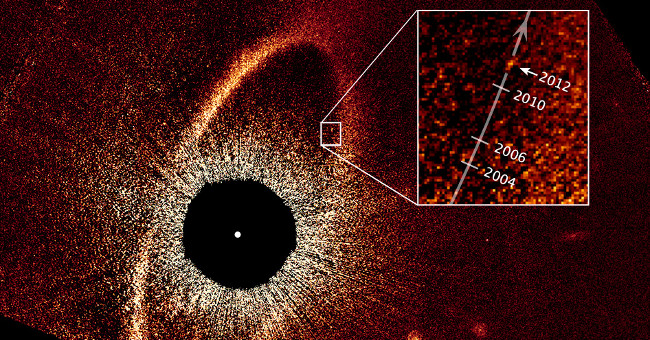
The universe is full of bizarre, frightening phenomena, from stars that can drain your life to the giant black holes that are billions of times more massive than our Sun.
When analyzing data from the Kepler spacecraft, astronomers discovered 20 new planets could survive the conditions suitable for life, Fox News reported today.
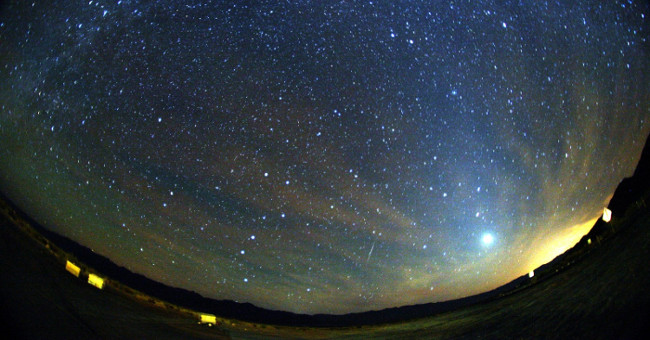
Astronomers in Vietnam can observe the rain of Orionids reaching the peak on the night of 20, dawn on October 21.

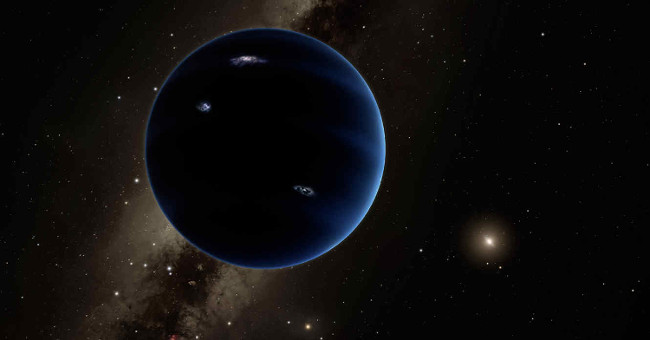
Gill Broussard, an astronomer, declared that it was only a matter of time. The giant planet Nibiru or also known as Planet X will appear.
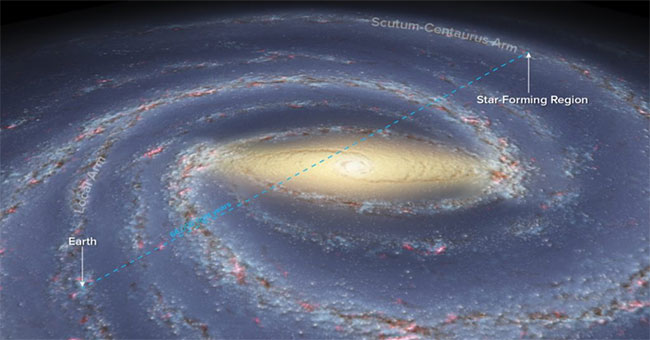
Scientists had a more precise idea to measure the distance to celestial bodies on the other side of the Milky Way than the Earth.
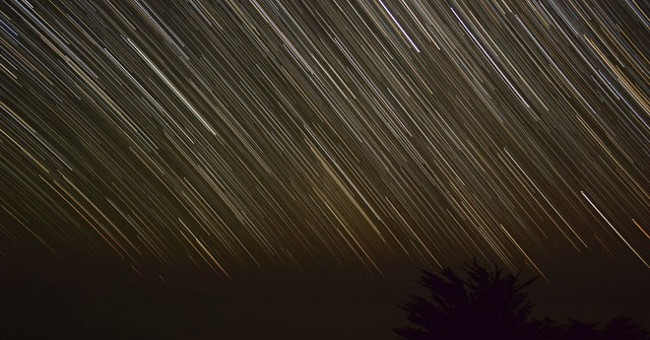
In the dawn of October 21, Vietnamese astronomers could observe Orionids meteor shower - a medium-sized meteor shower with about 20-30 meteors per hour.
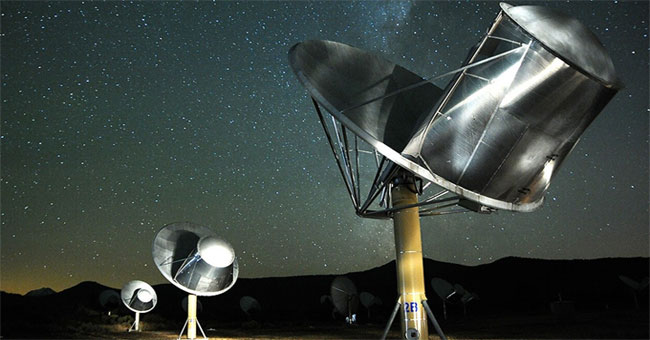
Mars is the closest of the targets chosen by astronomers to listen to the signal, but they still can't hear anything from this red planet.
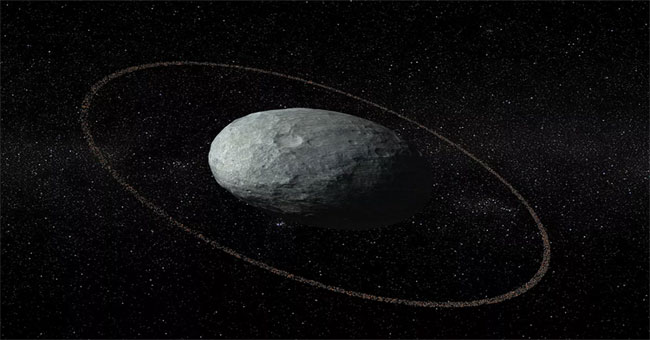
Astronomers at the Andalusia Institute of Astrophysics, Spain, and colleagues discovered a large belt around the Haumea dwarf planet outside the orbit of Neptune.
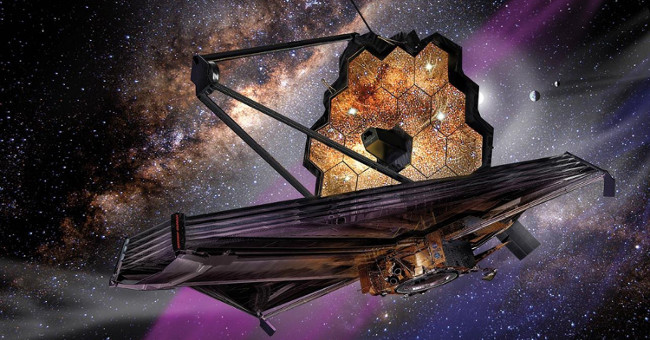
The Hubble Space Telescope, named after American astronomer Edwin Powell Hubble, was first launched into Earth orbit in April 1990.