Space science
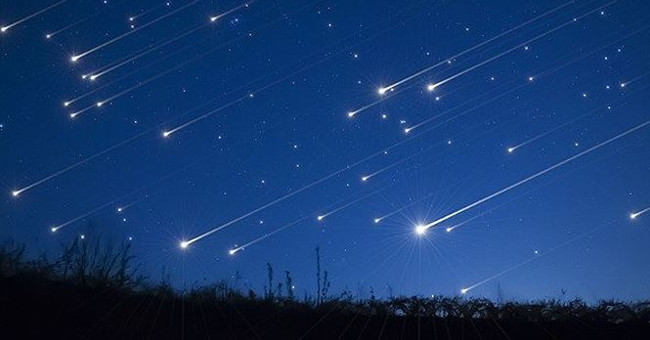
Sunday night this week Lyrids meteor shower is coming
Lyrid meteor shower is formed from dust particles left by comet C / 1861 G1 Thatcher, usually appearing April 16-25.
Browse ScienceInfo articles and explainers related to Astronomer.
968 published items.
Lyrid meteor shower is formed from dust particles left by comet C / 1861 G1 Thatcher, usually appearing April 16-25.
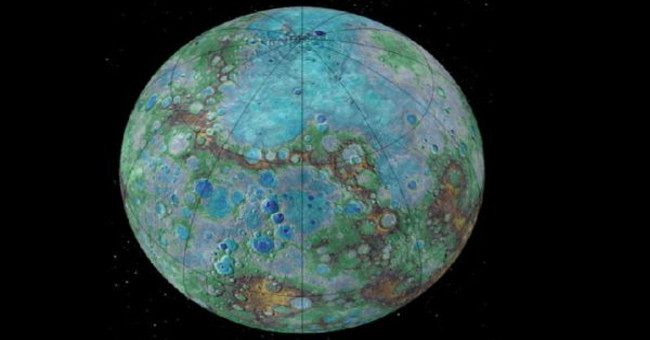
The mysterious planet was discovered by a group of global astronomers including the University of Warwick.
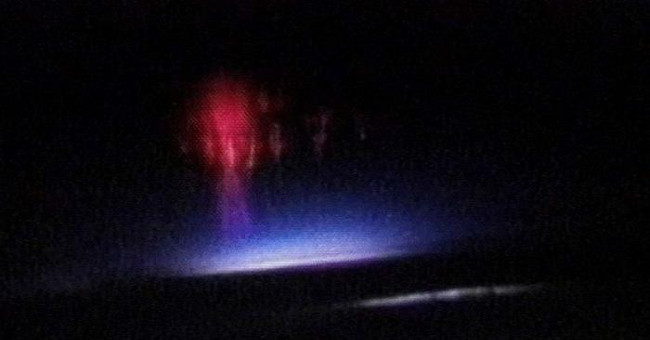
While gamma-ray bursts occur quite frequently and can be observed every day, this observation is almost impossible.
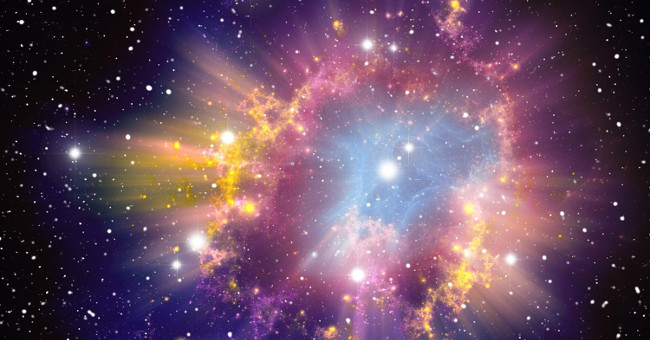
Astronomers first discovered super-bright supernova explosions about a decade ago.
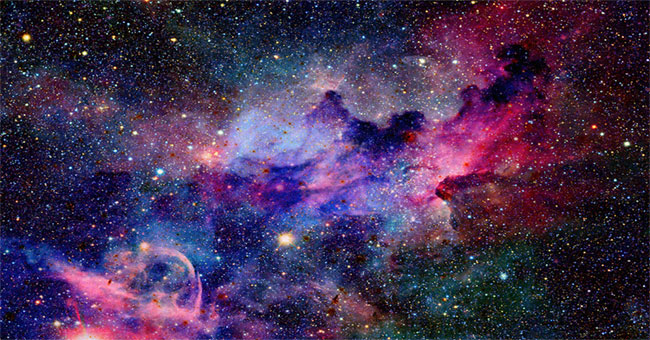
Recently, data from the Hubble Space Periscope has been used by aerospace experts, to analyze a phenomenon we can first observe
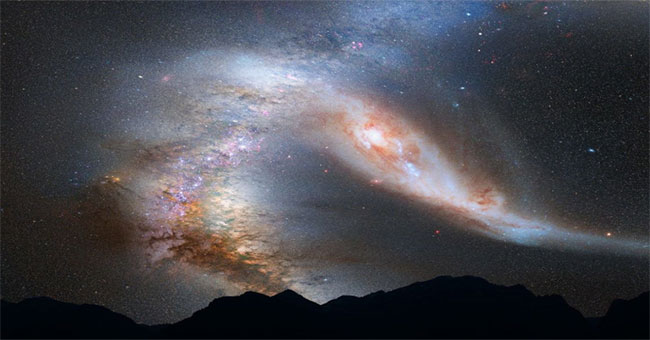
The nearest galaxy is a Fairy that is about the same size as our Milky Way, not two or three times larger than imagined.

Foreign planets may have the same size and mass as Jupiter, but are much hotter than the solar system's largest planet.
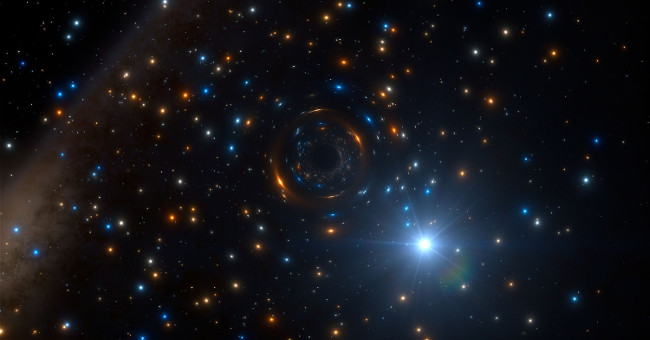
Astronomers use ESO's MUSE device on the Very Large Telescope in Chile to discover a strange star in NGC 3201 cluster.
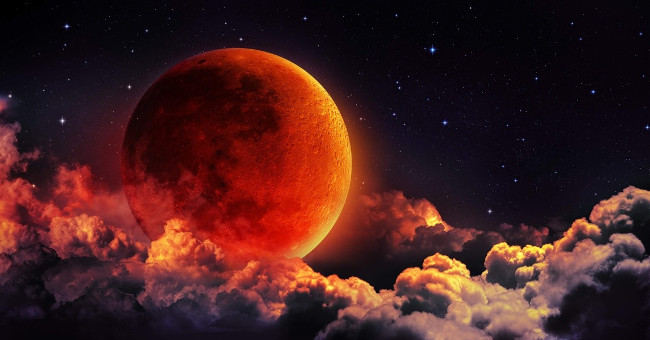
Astronomers are very interested in special events that must be repeated more than 150 years - when the blue moon, super moon and total eclipse will occur simultaneously…
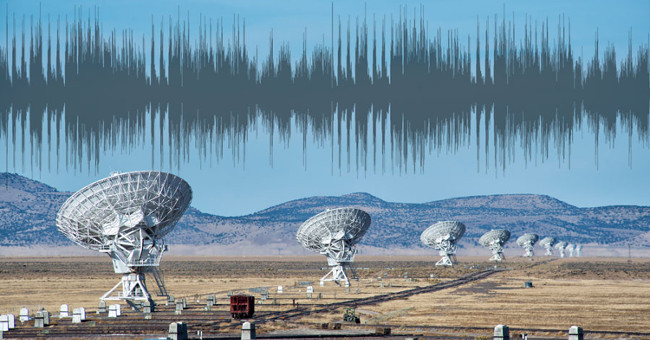
Currently, the rapid growth of wireless telecommunications companies is disturbing the radio environment.
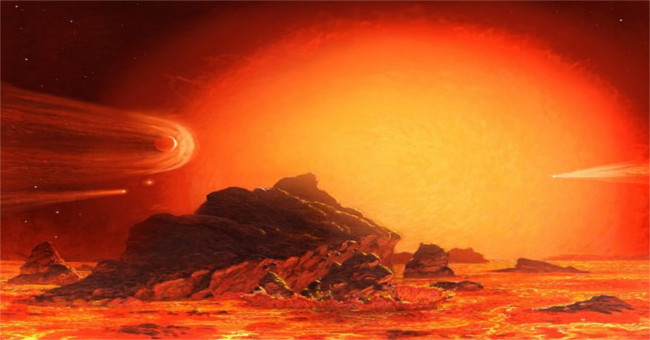
This giant red star, called pi1 Gruis, is covered by a convection region, formed in the final stages of a star's life cycle.
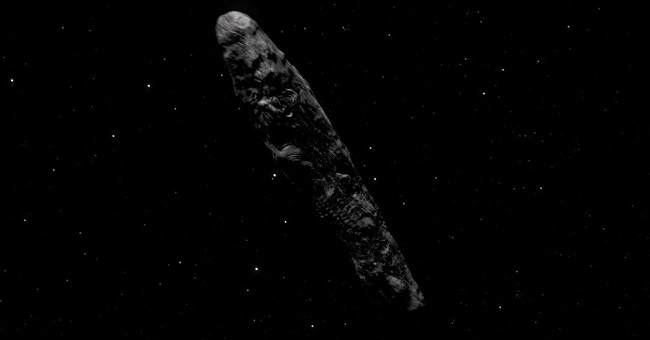
Astronomers plan to scan another long asteroid that is often sent by an alien astronaut.

This year due to not coinciding with the bright moon day, astronomers can admire the full of this amazing astronomical phenomenon.
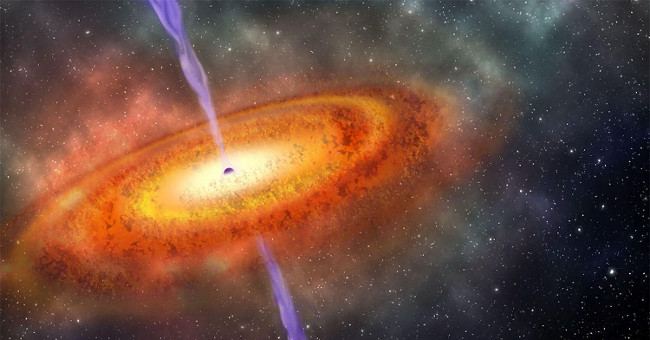
The discovery of a massive black hole, 13.1 billion light-years away from us, is revealing to scientists many things about the early universe.
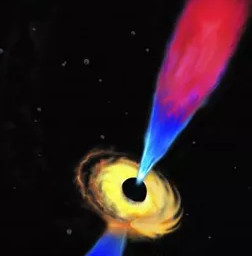
Astronomers were shocked to see a 1-0-2 scene: the black hole was swallowing a star ... vomiting immediately.