Space science
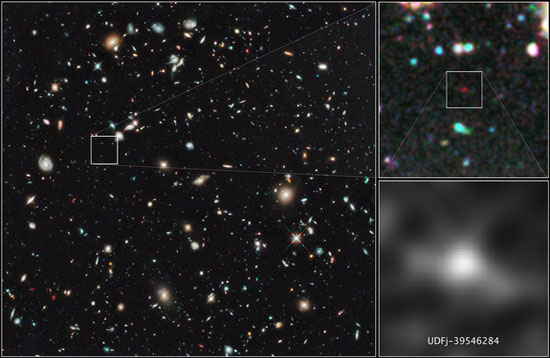
The oldest galaxy formed from 13.55 billion years ago
A group of international astronomers has just announced the discovery of the oldest galaxy formed from 13.55 billion years ago.
Browse ScienceInfo articles and explainers related to Astronomer.
968 published items.
A group of international astronomers has just announced the discovery of the oldest galaxy formed from 13.55 billion years ago.
Astronomers saw such a strange explosion in the universe that they did not even know what to name in accordance with the nature of the explosion.
This is challenging astronomers. Although, over many years of searching, there is no confirmation of our alien life.
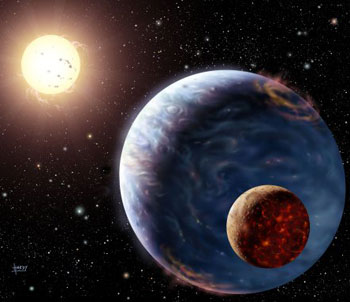
American astronomers have spent the past two years searching for the Earth-like planets most in our Milky Way and gathering them in a large-to-small sequence.
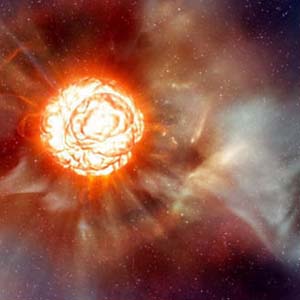
According to astronomer Bred Carter, star Betelgeuse, in the constellation Orion, 640 years from Earth can be 'angry' and threaten the Earth at any time.
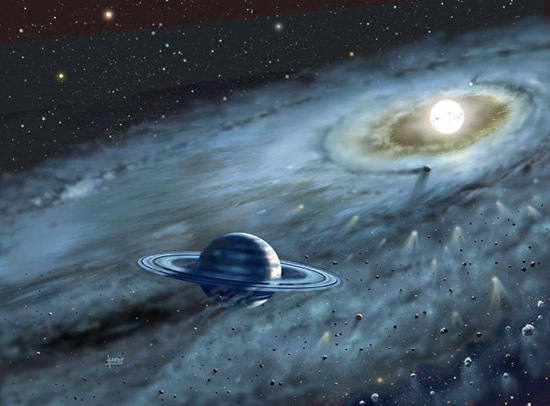
An Harvard astronomer (USA) has concluded that extraterrestrial life does not exist and that we live
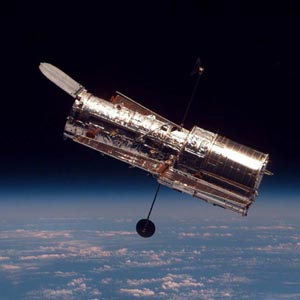
Hubble has discovered the galaxy that scientists believe to be the oldest and most remote ever discovered.

The latest information from NASA shows that there are 54 extrasolar planets that contain potential for life.
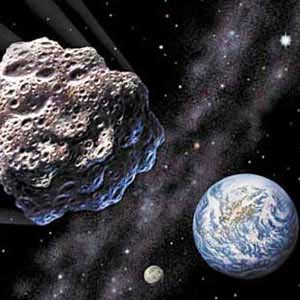
Russian astronomers recently claimed that an asteroid called Apophis might collide with the Earth on April 13, 2036.
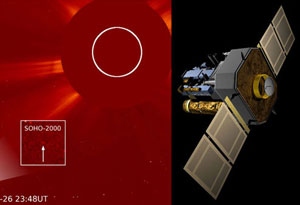
Soho solar research spacecraft has reached its own milestone in silence: discovering the 2,000th comet.
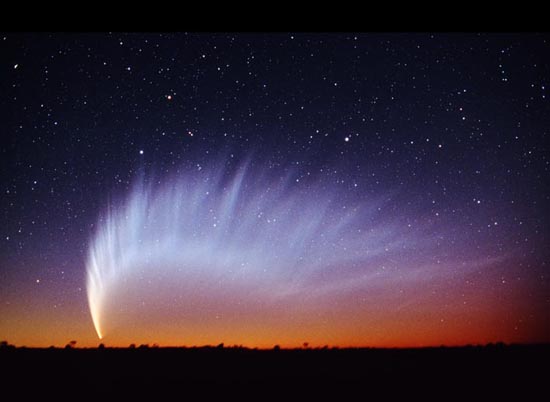
Tonight and tomorrow morning (January 4), the first meteor shower of 2010 will appear and astronomers can admire this phenomenon.
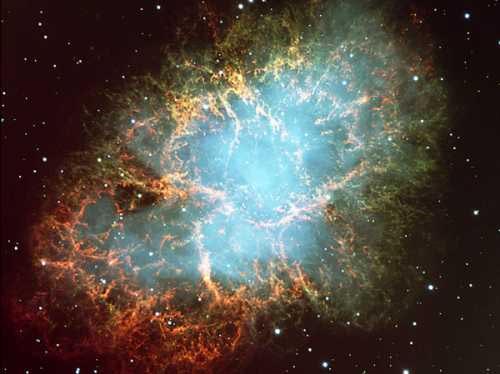
A 10-year-old female student in Canada has recently been recognized by the International Astronomical Union as the youngest person to see the star exploding scene.
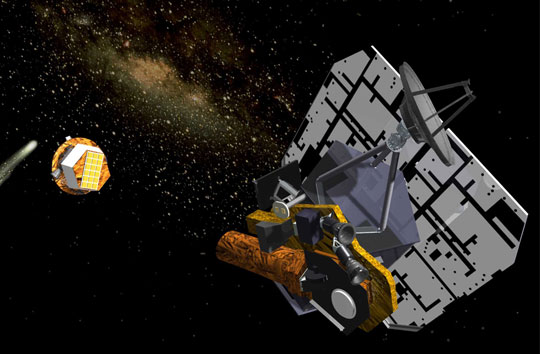
Ria Novosti, a news source from the Astronomical Bureau of the International Astronomical Union, said Russian astronomers for the first time in the last 20 years ...
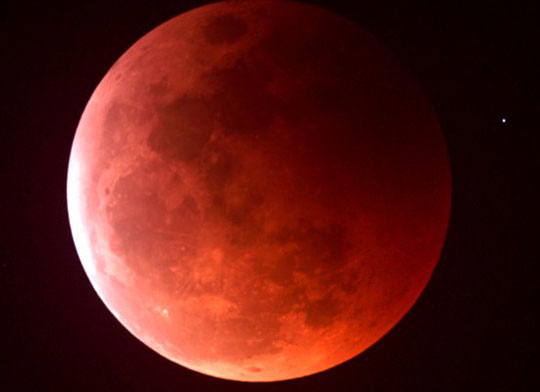
At 7:41 am on December 21 (local time) from the capital of Ireland, Reykjavik, the Moon was seen turning red.
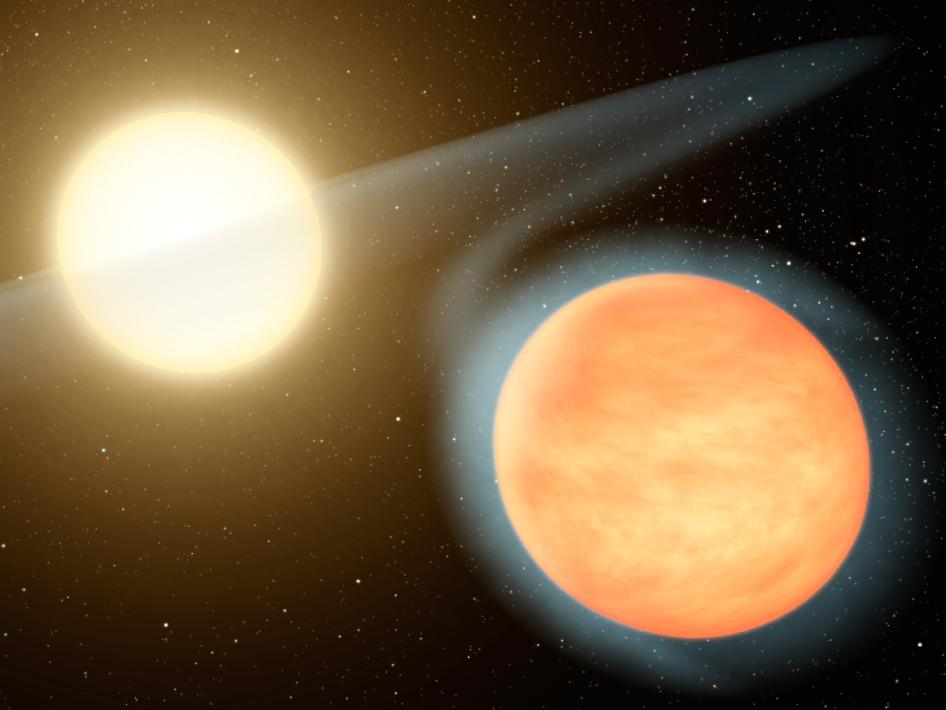
The Spitzer telescope of the US Aerospace Agency (NASA) has for the first time discovered a giant and dry hot planet containing so much carbon.