Space science
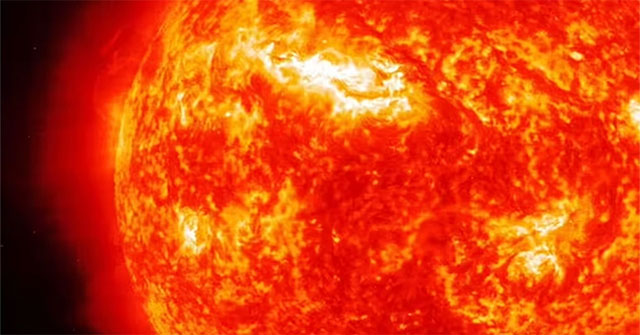
The absurd truth about the Sun makes 99% of people misunderstand
The sun has tremendous heat. But if you think that the closer to the Sun, the hotter, then you are wrong, because science has proven otherwise.
Browse ScienceInfo articles and explainers related to Atmosphere.
902 published items.
The sun has tremendous heat. But if you think that the closer to the Sun, the hotter, then you are wrong, because science has proven otherwise.
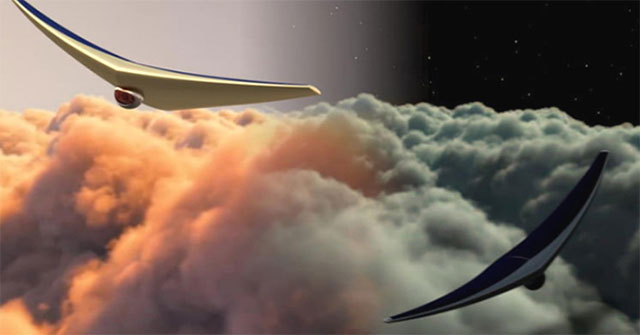
The experts of the BREEZE project develop a bird-like drone model and equipped with many scientific instruments to

Nuclear bombs are not only destructive on the ground, but also blow deadly radioactive dust tens of kilometers into the atmosphere.
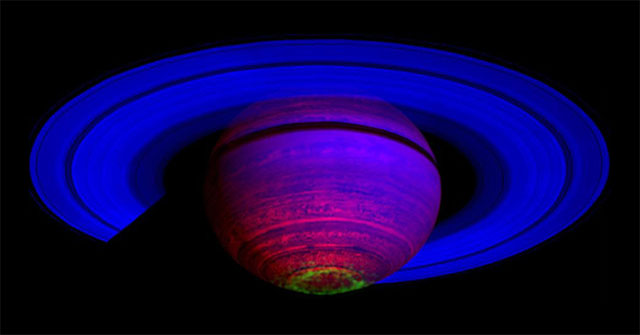
Astronomers have observed for the first time that auroras are driven by winds swirling across Saturn's atmosphere.

Venus is not friendly to life, but at an altitude of 50km above the planet's surface, the story is different...

You may not know, astronauts' feces will be released into the atmosphere and they will burn like meteors.
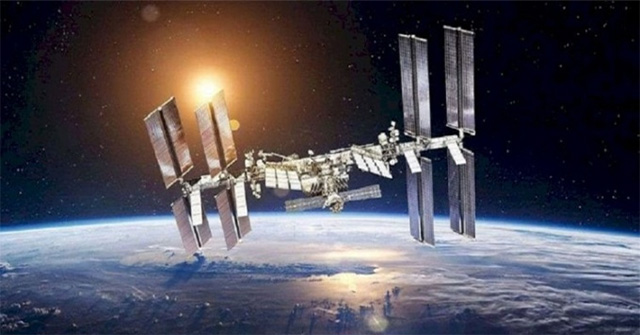
NASA will drop the International Space Station into an uninhabited sea called Point Nemo in 2031.
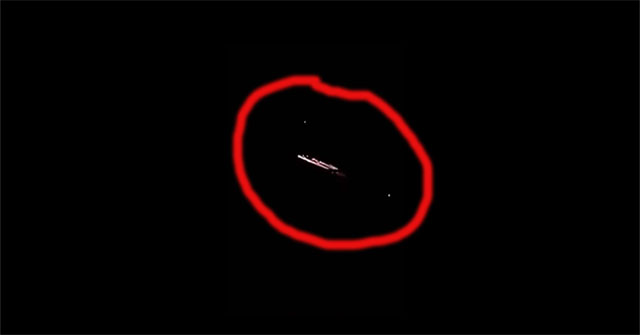
The second stage of Falcon 9, a 2017 rocket, re-entered the atmosphere and burned up completely before reaching the ground.
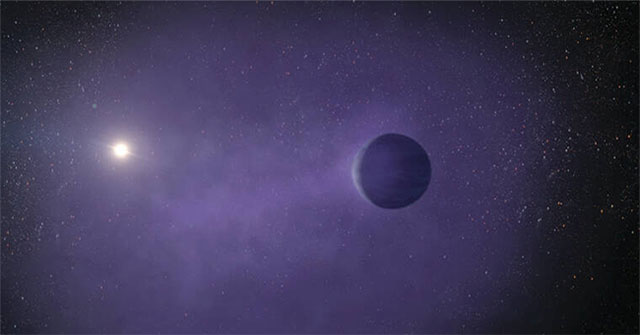
The spectacular transformation of two future super-Earths has been recorded by NASA/ESA's Hubble Space Telescope and WMKeck's Keck II Telescope (located in Hawaii).

Scientists claim that the 'machine tree forest' has the ability to absorb C02 in the air, helping to slow down the rate of climate change.
Experts argue that while injecting billions of sulfur particles into the atmosphere's stratosphere helps to reflect most of the sun's rays, the consequences could outwei…
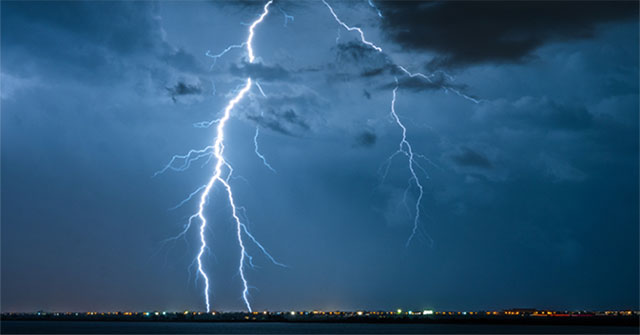
Massachusetts Institute of Technology (USA) researchers have found another effect of the blockade during the Covid-19 epidemic, which is a reduction in lightning flashes…
The year 2021 is about to pass in a festive atmosphere and in the shadow of the Omicron variant. Looking back at the development in the field of science and technology i…
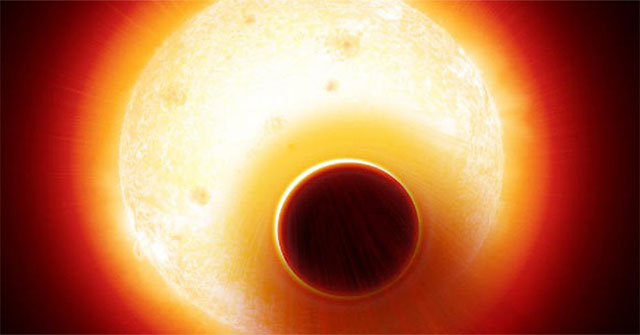
US scientists have discovered the first direct indication of the magnetosphere of an exoplanet, or planet outside the Solar System.
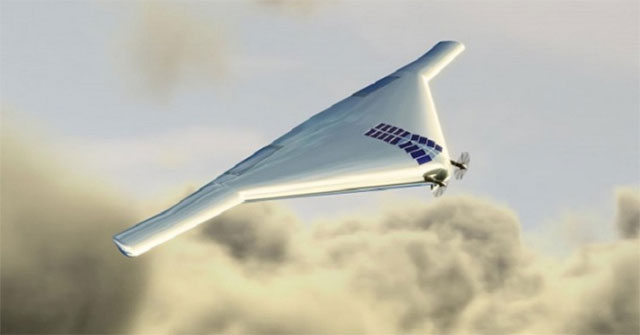
Designing a lighter-than-air plane could help explore the clouds in the Venusian upper atmosphere in the future and detect signs of ancient life.