Space science
NASA robots take pictures of Earth and Venus from Mars
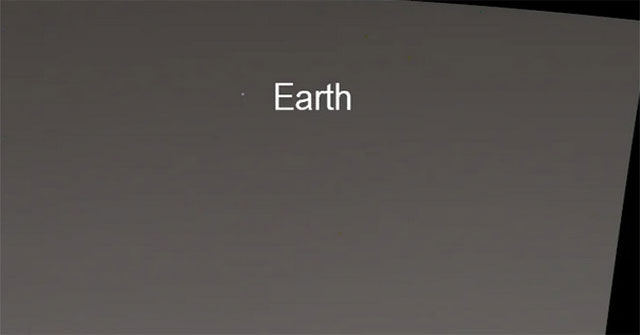
The dense dust in Mars' atmosphere makes the Earth and Venus look like tiny dots in a camera photo of the Curiosity robot.
Browse ScienceInfo articles and explainers related to Atmosphere.
902 published items.
The dense dust in Mars' atmosphere makes the Earth and Venus look like tiny dots in a camera photo of the Curiosity robot.
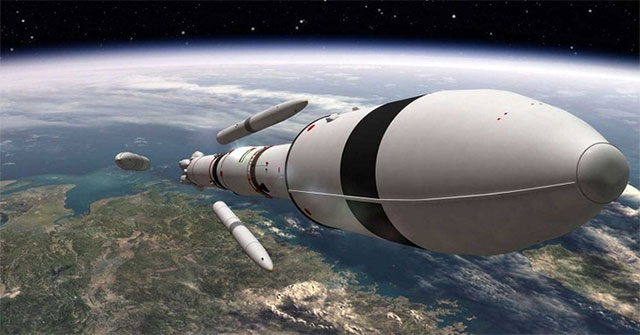
The United Arab Emirates (UAE) will launch a spacecraft flying around Mars next month to learn about the disappearance of the planet's atmosphere.
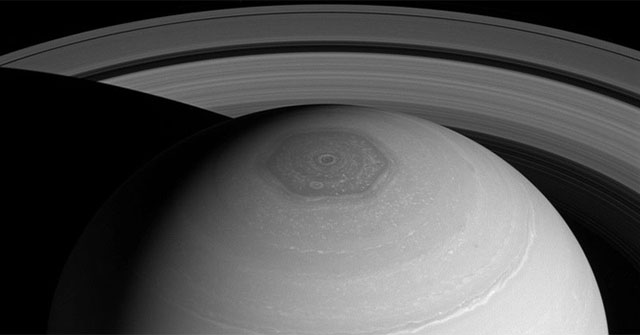
A giant hexagonal storm appears on Saturn. Until now, scientists have not been able to explain.
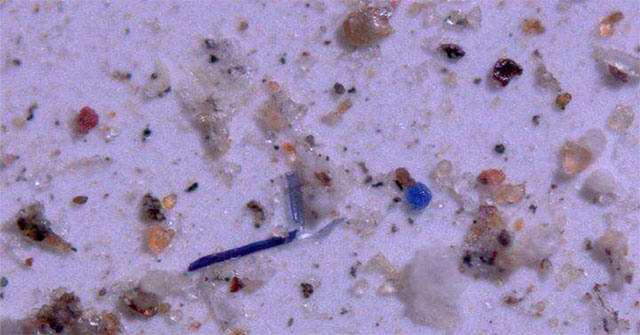
Every year, the equivalent of 300 million micro-bottles of rainfall falls to national parks and wilderness areas in the western United States.

Scientists believe they have identified the region with the cleanest air quality in the world, free of dust particles caused by human activity.
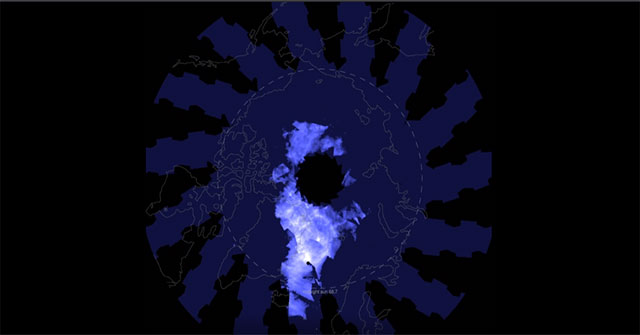
Clouds of blue and white light form in the middle stratum, where most of the meteors were burned down to Earth.
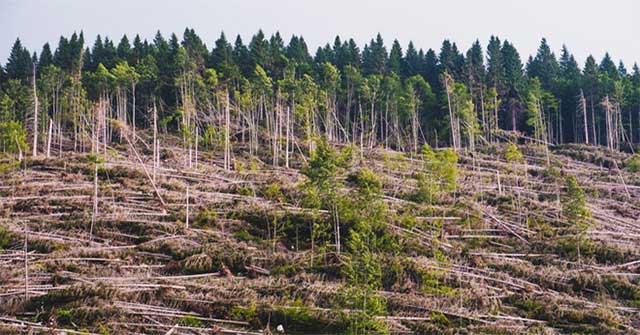
The height of forests around the world has decreased significantly, and their age has also increased significantly over the past 50 years.
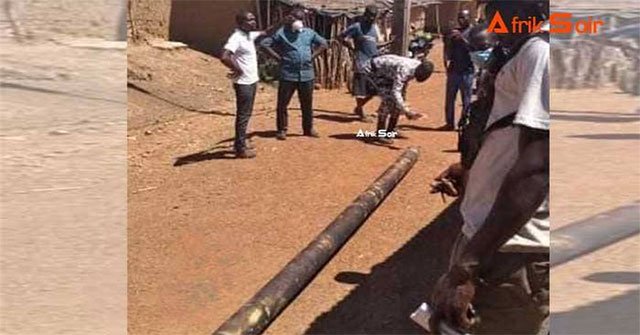
The largest block of space junk that has fallen on Earth's surface in nearly three decades belongs to the Chinese spacecraft launched in early May.
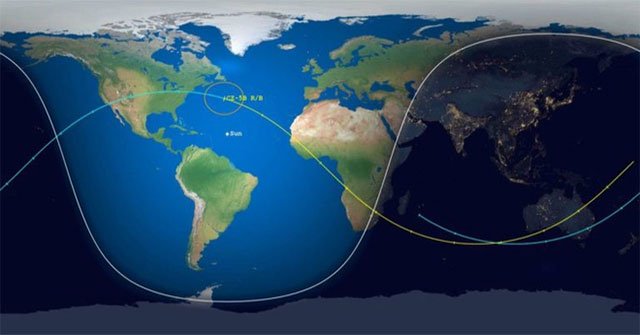
The remains of the Chinese-made rocket became the largest space junk to fall to Earth's surface in nearly three decades.
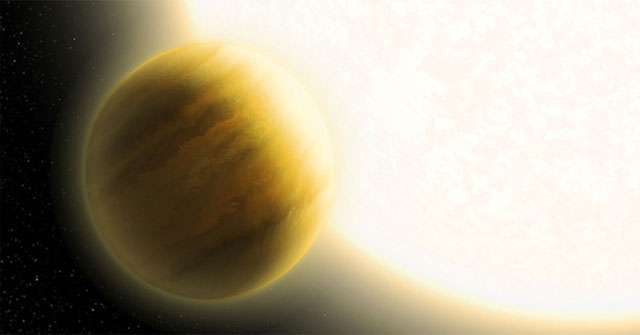
NASA astronomers found a planet with an unusual atmosphere, called WASP-79b, about 800 light-years from Earth.
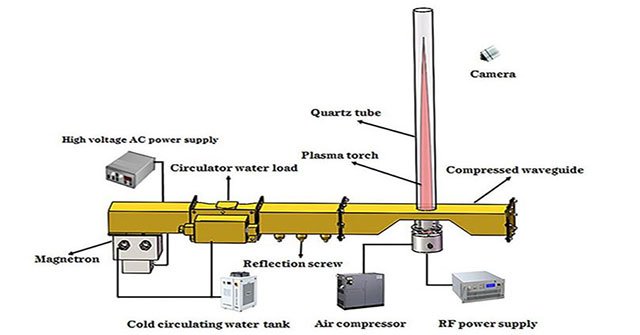
It is capable of operating in the Earth's atmosphere and produces thrust with the same performance as modern jet engines.
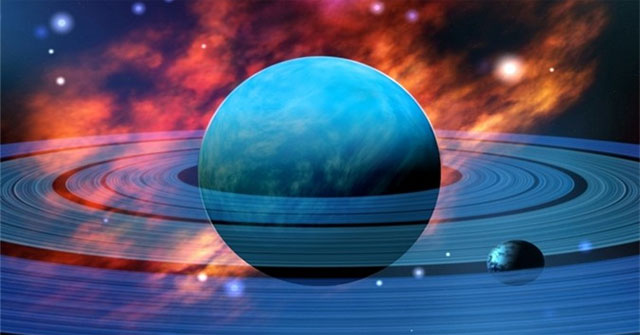
The beautiful blue planet in the photos of NASA - Uranus - is losing its atmosphere and could be transformed into a second Mars.
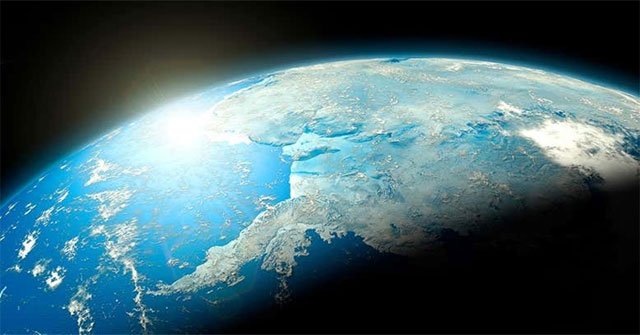
The ozone layer above the Antarctic is continuing to recover and it has led to changes in the atmospheric circulation - airflow on the Earth's surface that causes wind.
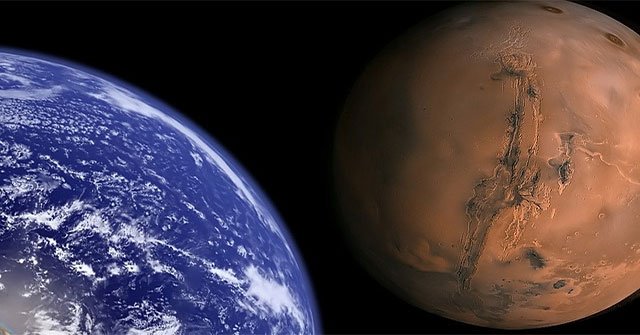
Once thought to exist only in movies, the idea of turning a planet into a place where people can live is increasingly being discussed at scientific programs.
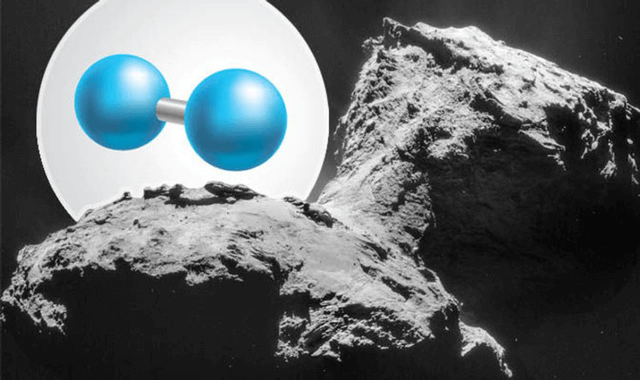
Researchers from the University of California, Riverside have developed a new technique that will use NASA's James Webb Space Telescope (JWST), scheduled to launch in 20…