Discover science
Discover methods of measuring time
The idea of measuring time only appeared about 5,000-6,000 years ago when people began settling down and building civilizations. Before that, time was divided into two…
Browse ScienceInfo articles and explainers related to Atomic.
372 published items.
The idea of measuring time only appeared about 5,000-6,000 years ago when people began settling down and building civilizations. Before that, time was divided into two…
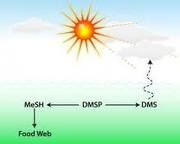
Scientists at the University of Sydney, Australia, discovered the sun's mechanism of rearranging atoms of molecules to form new chemicals.

Element 117 is nearly 40% heavier than lead and has been dubbed ununseptium temporarily, its name related to its atomic number.
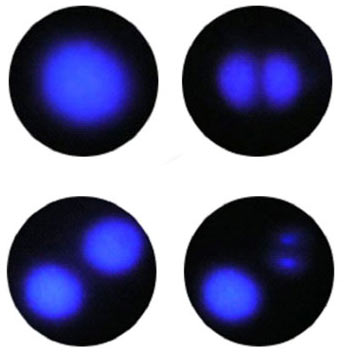
According to NewScientist, Ukrainian researchers have recently succeeded in obtaining images inside Carbon atoms, demonstrating several types of electron structure (blue…
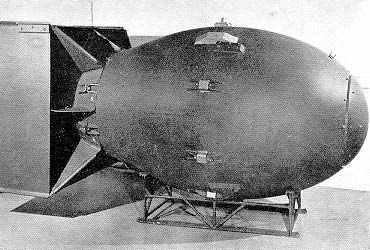
In the history of atomic bomb development, Uranium bombs and Plutonium bombs can be viewed as twin brothers. Along with U235, the Pu239 nuclei were also used to make the…

The Indian River basin, 5,000 years ago, once had a thriving city suddenly in a very short time. Its relics are called
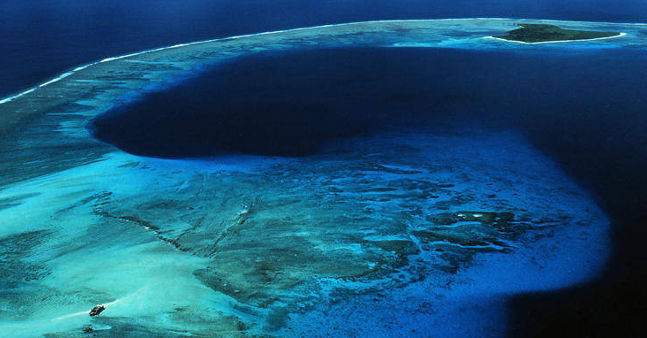
Unesco's Scientific, Educational and Cultural Organization has recognized Marshall's Bikini Atoll Island as a World Cultural Heritage in 2010.
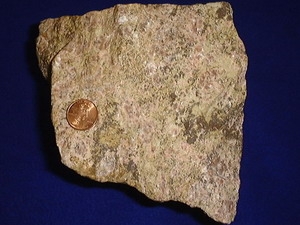
Chinese geologists found large reserves of rare earth at the foot of Lao Yin Mountain in Long Ba Town, Trucxi District, Hubei Province.
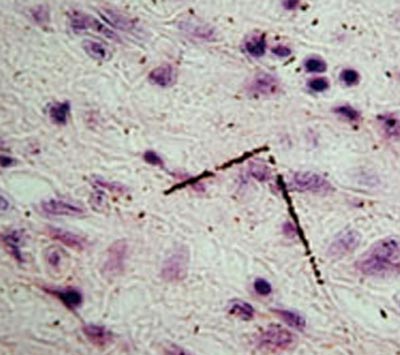
Radioactivity is still escaping from the cells of those killed by atomic bombs in Nagasaki City, after 64 years since the disaster.
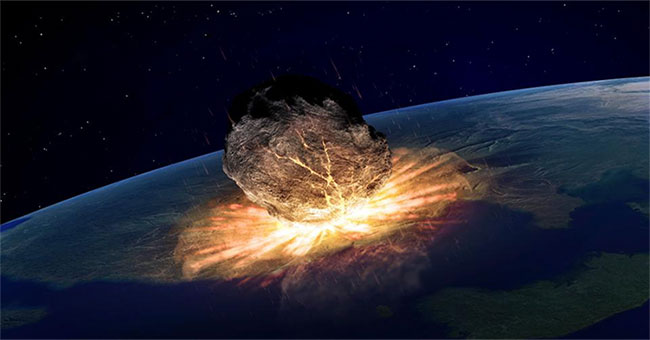
A large asteroid with 1,500 times the destructive power of US atomic bombs on Hiroshima and Nagasaki (Japan) combined, can hit the Earth directly.
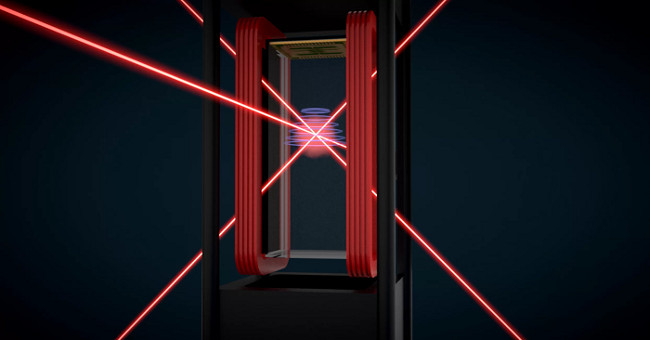
CAL is a physical research facility the size of a cold stone container designed by NASA's Jet Propulsion Laboratory (JPL) in California, USA.
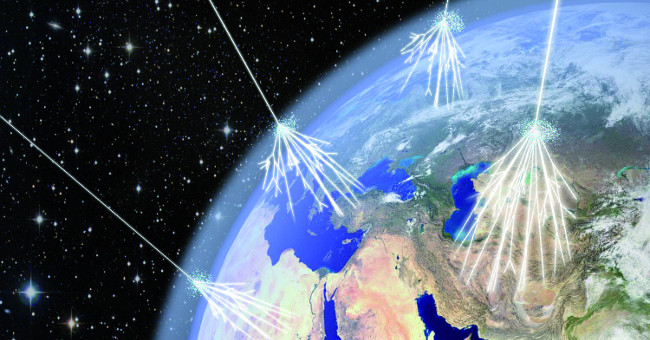
Cosmic rays are phenomena radiating out of a shower of high-energy particles, including X-ray rays, which continuously affect the Earth and are generated from the explos…
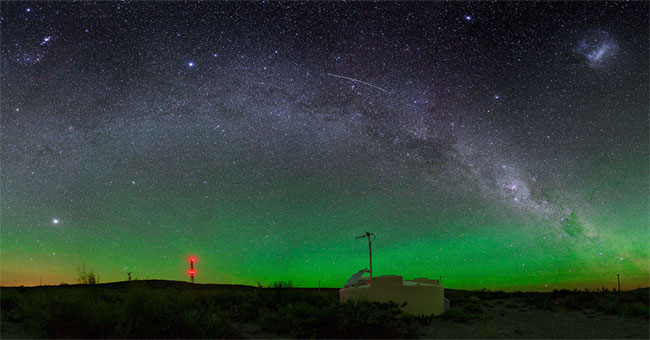
The secrets hidden in cosmic rays have confounded scientists for the past 50 years, and this new research will be the first solid foundation to understand their origins.
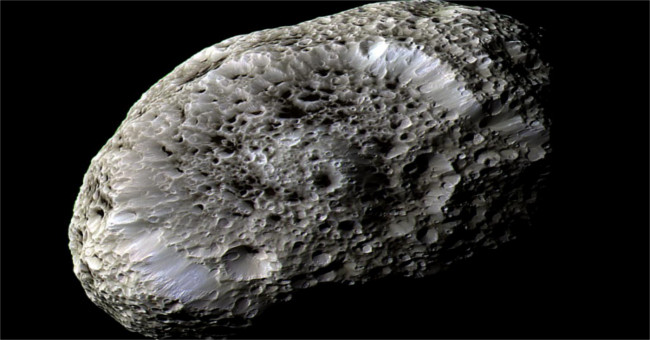
Apophis meteorite, 370m in diameter, can fall into the Pacific Ocean by 2036, having 65,000 times the impact of Hiroshima's atomic bomb.
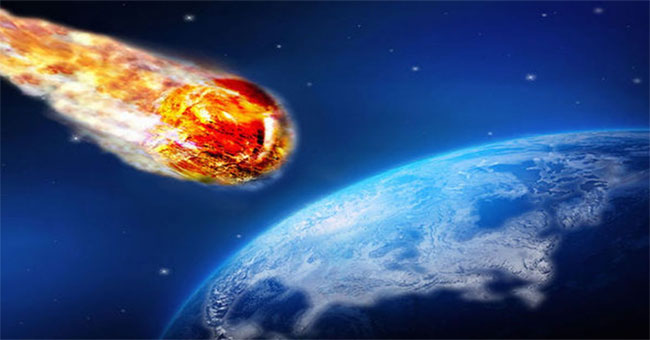
The asteroid with 300 times the destructive power of Hiroshima's atomic bomb, Japan, grazed the Earth on June 24.