New technology
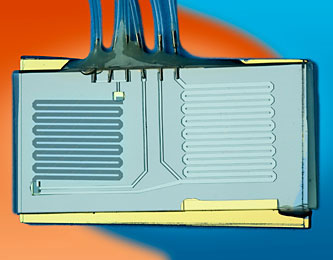
The awiss wireless sensor helps detect bacteria e.coli in water
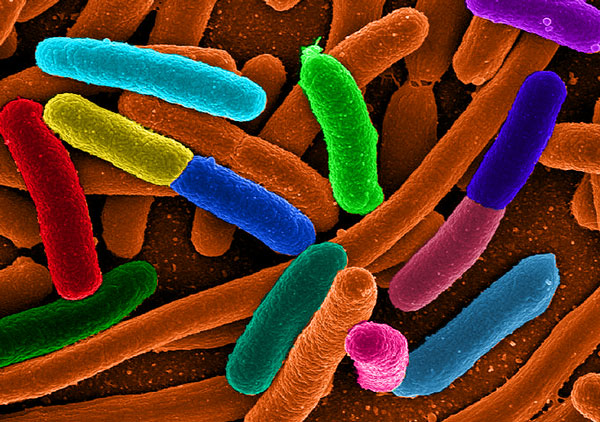
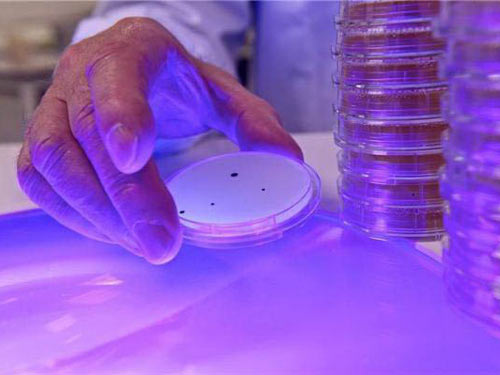
The wireless sensor (AWISS), capable of rapidly detecting and measuring the concentration of E.coli bacteria present in water samples.
Browse ScienceInfo articles and explainers related to Bacteria.
1,661 published items.
The wireless sensor (AWISS), capable of rapidly detecting and measuring the concentration of E.coli bacteria present in water samples.

In the near future, washing machines may no longer appear in households when clothes are only exposed to sun.

The 'bio-luminescence' system invented by Philips Electronics (Netherlands) produces the same light that luminescent creatures like fireflies and glow worms do.

Scientists have discovered a bacterium that can turn ammonium, which is found in urine, into hydrazine - a fuel for propulsion.
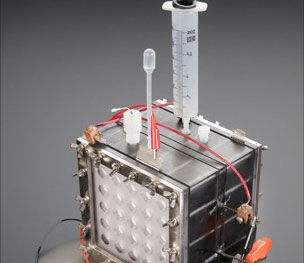
US scientists have found a technology to help bacteria made of bacteria capable of providing energy and can produce an infinite source of hydrogen.
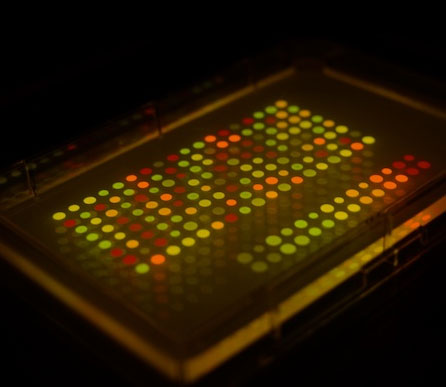
Instead of using lemonade, in the future intelligence agents can encrypt secret messages with bacteria to send to teammates or superiors.

Old newspapers that we throw away can become fuel for cars in the future, thanks to a newly discovered bacterium.
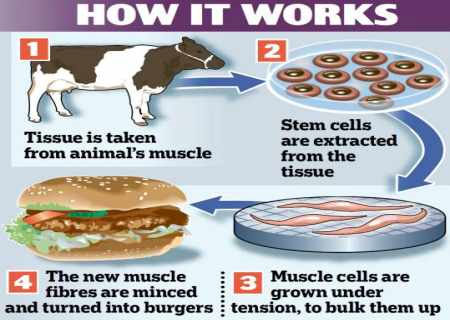
Recently, a team from the University of Maastricht (Netherlands) has developed artificial beef grown from 10,000 stem cells of cattle.

The single-celled Giardia parasitoid is known to be very common in human intestinal tracts and other animals.

Scientists have discovered a natural preservative that can help keep foods like fish, meat, milk, etc. fresh for years.
A handheld device can help detect the presence of anthrax bacteria within one hour.
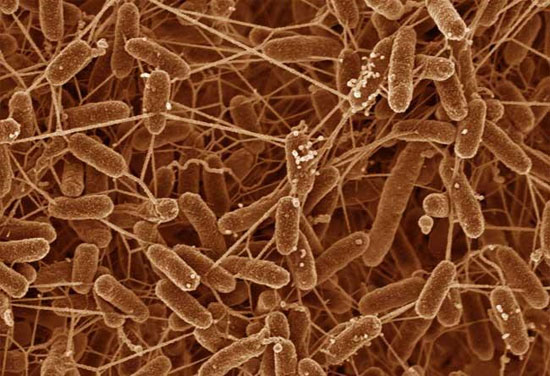
For the first time, a study identifies the exact molecular structure of the proteins in the bacteria that make them capable of transmitting electricity.
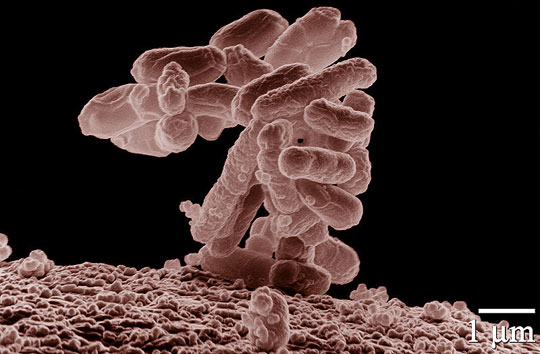
Researchers at the University of Hong Kong managed to put 90GB of data into the DNA of a cluster of 18 E. coli bacteria.
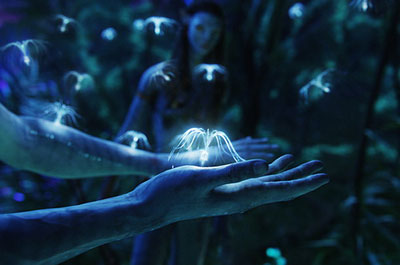
The appearance of cities will change spectacularly when the glowing trees replace the lampposts on the streets.
An advanced lighting system can be effectively disinfected in the medical environment as well as the multidisciplinary scientists of Strathclyde University.